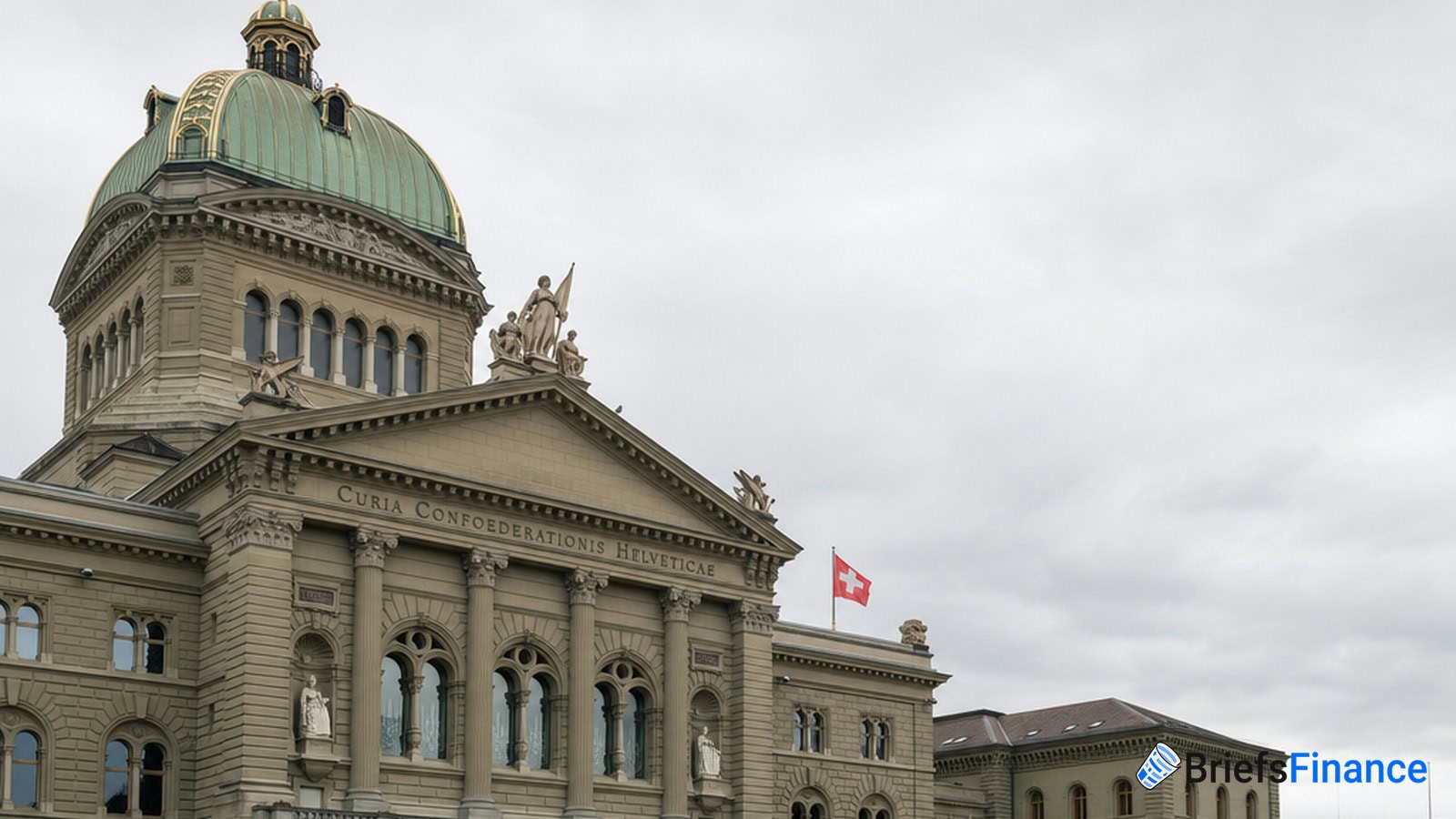
Switzerland just said Iran and the U.S. were set to meet Friday - though the Swiss Foreign Ministry confirmed today the talks have been postponed after VP JD Vance pulled out, citing logistical issues. Swiss officials had set up the meeting between two countries that haven't had formal diplomatic ties since 1980.
Switzerland rarely puts these meetings out in the open. That's part of why oil traders are watching.
Small shifts in tone between Washington and Tehran tend to move the price of crude.
The Swiss Middleman
For over forty years, Swiss officials have carried notes between Washington and Tehran. The role is called a "protecting power" - a trusted go-between that represents one country's interests in another.
The setup began after the U.S. severed direct ties with Iran in 1980, following the 1979 hostage crisis. Since then, it's handled prisoner swaps and quiet diplomatic backchannels.
The Swiss role has touched some of the biggest U.S.-Iran moments of the last 40+ years. That includes work around the 2015 nuclear deal.
Most of that work happens behind closed doors. The Swiss embassy in Tehran handles it as the stand-in for the U.S. embassy.
A public meeting is the rare kind. It usually means both sides want the talks on the record.
That doesn't tell you what's on the agenda. But it tells you something has changed.
We track the policy moves Wall Street is actually watching every morning in Market Briefs - five minutes a day, plus a free investing masterclass when you sign up.
Why Oil Traders Are Watching
Iran pumps about 3.2 million barrels of crude a day. That puts it among the world's top ten oil producers.
U.S. sanctions set how much of that oil reaches the world market. Every shift in tone between the two capitals can move that number.
Iran has stayed under U.S. sanctions for most of the past two decades. Brief windows of relief came around past nuclear deals.
Even talks that are just rumored have pushed oil prices by a dollar or two in one day. Bigger swings hit when a real deal lands or falls apart.
Brent crude has been trading in a tight range. That leaves room for a sharp move when the news lands.
Traders will watch if the talks touch sanctions, nuclear checks, or Gulf tensions. Each topic carries a different price tag for the barrel.
What's Usually On The Table
Past Swiss-facilitated channels have covered prisoner swaps and frozen Iranian funds in foreign banks. They've also touched the question of whether Iran will rejoin nuclear talks.
Any progress on those fronts would mark a real shift. But neither side has hinted a deal is close.
Recent flare-ups in the region have kept the mood tense. The fact that both sides agreed to a meeting at all suggests they're still willing to talk.
What to Watch
The first question is when the rescheduled meeting actually happens, since both sides have backed out of past talks at the last minute. The second is what gets shared in any readout.
The third is how crude moves in the hours after the headlines. The next round of preparatory work is the next data point.
If you want this kind of read on what's moving markets every morning, join 350,000+ investors reading Market Briefs - you also get a 45-minute investing course thrown in as a bonus.