Two Heavyweights Step In
Now two of Europe's biggest economies are stepping in to help.
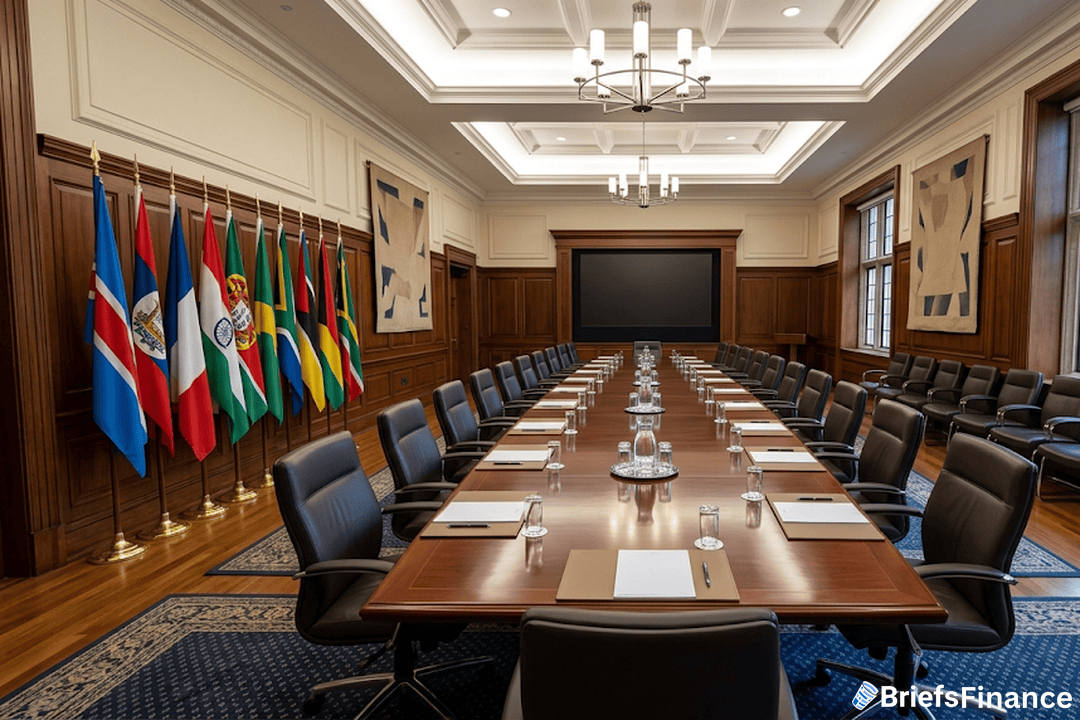
France and the UK have accepted the role of joint leaders for a new forum designed to relieve Zimbabwe's debt burden. Zimbabwe's Finance Ministry announced the move in a notice sent from Harare on Tuesday, August 4, 2026.
The group's name is the Debt Consultative Group. Its first session is scheduled before the end of August.
The group is not a one-time meeting. It is a lasting forum for the talks.
The idea is to give creditors a clear, steady, and structured place to talk. That matters because Zimbabwe's talks with lenders have been tangled for years.
Having France and the UK in charge changes the tone. These two countries carry real weight in international finance, and their involvement tells creditors that the effort is serious.
Locked Out Since 1999
Zimbabwe's problems began when it stopped repaying its international loans in 1999.
That year, it defaulted on money owed to the World Bank, the IMF, the African Development Bank, and the Paris Club, an informal group of wealthy creditor nations.
The lockout has left Zimbabwe on the outside looking in. It cannot borrow from foreign lenders, and it has no easy way to prove it has changed its ways.
Having no fresh loans means no way to ease the pressure. That is where the new group comes in.
The group will watch how Zimbabwe performs under an IMF monitoring arrangement and look for a believable way to clear the country's arrears - the overdue debts it still owes to international financial institutions.
Get the free Always Be Buying eBook and learn the simple system for building wealth on any income
There is already a small sign of momentum. In February, the IMF signed off on a monitoring arrangement for Zimbabwe.
The arrangement runs for 10 months, and during that stretch the IMF watches the country's economy up close.
That kind of setup is often a first step toward a fund-supported facility, meaning a formal IMF rescue program.
Two Numbers, One Problem
So how big is this debt, really? The answer depends on which number you look at.
You will see the $23 billion figure in headlines.
The Annual Public Debt Bulletin puts total public debt at $21.3 billion.
Both numbers tell the same story. This is a country carrying a heavy debt load while still locked out of the markets it would need to borrow from.
The gap is a reminder that headline numbers and debt estimates do not always line up. For creditors, the exact total matters less than the plan to get paid back.
What the Next Few Months Will Show
The real test starts now. Zimbabwe needs to show it can stick with the 10-month IMF staff-monitored program, and it needs a repayment plan that creditors actually find believable.
If those pieces fall into place, the country could start borrowing again for the first time since 1999.
That would be a big deal, not just for Zimbabwe but for the lenders who have been waiting years for their money.
For the lenders, getting paid back is the whole point. A believable plan to handle its overdue debts is how Zimbabwe shows it is serious.
What It Means for Investors
So what does this mean for your portfolio? Debt negotiations move slowly, but they send early signals.
When two big economies step up to chair the talks, other lenders tend to take the deal more seriously.
That confidence has a way of spreading through markets.
The lesson for investors is about paying attention to process. Debt restructurings do not make loud headlines until they are already working.
The quiet part, the part happening right now, is what decides the outcome.
Download the free Always Be Buying eBook and start putting your money to work today