A Season That Started Early
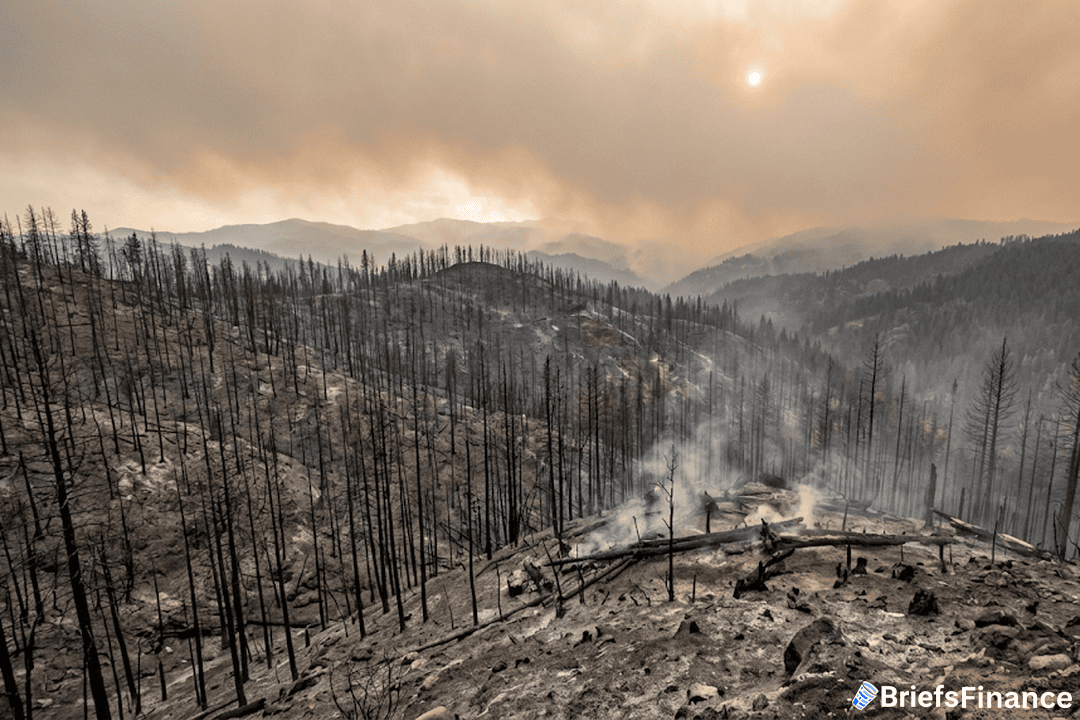
A report dated Aug. 4, 2026 says the U.S. is in one of its most severe wildfire seasons in recent years. The report counts millions of acres burned and thousands of people evacuated in Washington state and elsewhere.
Through Aug. 3, the National Interagency Fire Center, the federal clearinghouse for wildfire data, had counted 44,722 fires.
The tally is not one big blaze. It is the running total for a season that has been busy since spring.
By fire count, this is the busiest year in a decade. By acreage, it ranks third since 2016, which means the country is seeing both a lot of fires and a lot of land burned.
The two rankings tell a slightly different story. The fire count means a constant stream of starts, while the acreage figure means the fires have also had room to spread.
The warning signs were visible months ago. Aerial tanker crews were already busy in April, and by June the National Interagency Fire Center was forecasting a severe fire year for northern California and the Pacific Northwest.
Spokane Is Where the Danger Hit Home
The most dramatic damage is in and around Spokane, Washington's second-biggest city. Fires that started over the weekend destroyed hundreds of buildings and forced more than 60,000 people out of their homes.
Get the free Always Be Buying eBook and learn the simple system for building wealth on any income
That is about 10% of the city's residents. Those fires are still not under control.
InciWeb, the government's fire tracking site, listed three major fires near Spokane that had burned more than 8,000 acres and remained uncontained. Uncontained means firefighters have not drawn a full line around the flames, so the fires can keep spreading.
The trouble is not limited to Spokane. Public Lands Commissioner Dave Upthegrove said Monday that 17 fires were active across Washington, burning more than 262,000 acres.
Put together, that is a lot of land burning.
Last Winter Left the West Dry
This season has deep roots in the previous winter. Last winter brought far below normal snowfall to the Pacific Northwest, the Rocky Mountains, and much of California, leaving mountain peaks bare and ski trails without snow.
Two forces were behind the snow shortage. Lingering La Niña conditions, a natural climate pattern in the Pacific, often mean below-normal rain and snow on California's highest peaks.
Climate change added to the problem because many storms arrived warm and produced rain that ran off instead of snow. Snowpack normally acts like a slow-release water tank for summer.
With less snow in the mountains, that tank was nearly empty. Without normal spring and early-summer snowmelt, vegetation dried out and trees lacked moisture.
In other words, the land was carrying plenty of fuel before the first fire started. That meant fires had plenty to burn from early on.
What It Means for You
For your portfolio, the wider story matters too.
A fire season that starts this early, burns this many acres, and pushes this many people out of a major city rarely stays contained to rural land. Costs often show up later in insurance, construction, and the local economy, even if the exact price tag is not clear yet.
For people who live in fire country, the practical question is obvious. For everyone else, the secondary effects are worth watching.
The rest of the season will tell whether the West catches a break or keeps asking more people to leave their homes.
Download the free Always Be Buying eBook and start putting your money to work today