What the numbers show
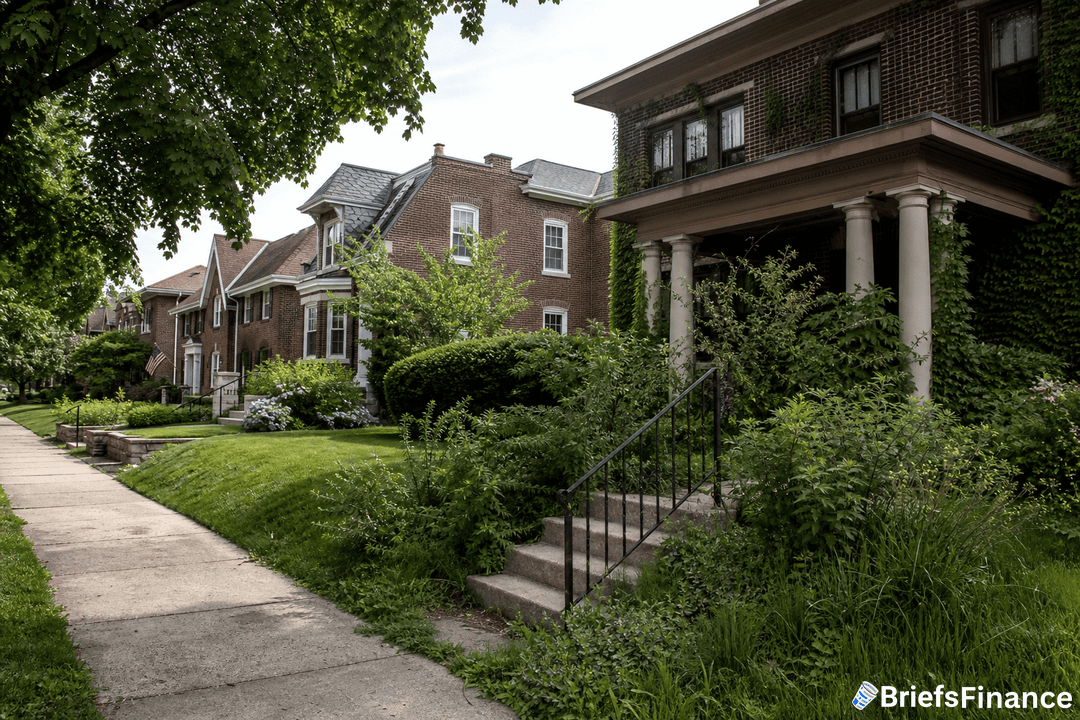
Australia's priciest properties in the two biggest cities have taken double-digit hits from their highs, per fresh figures from Cotality. Higher-value homes in Sydney are off 10.7% from peak levels, while Melbourne's top tier has slid 10.5%.
According to Cotality, the total decline for top-tier houses has exceeded that of lower-priced homes by 6.6 percentage points in Melbourne and by 5.3 percentage points in Sydney, highlighting the sturdier performance of cheaper properties. As Gerard Burg, Cotality's head of research, put it: "While the market correction has become more widespread, the largest declines continue to be concentrated among higher-value homes," highlighting how the premium segment has driven much of the downturn.
Suburb-level moves and the dataset
Zooming in, Cotality's data show Bondi in Sydney down about 12.2% over the past year, with Melbourne's Toorak slipping about 11%. North Parramatta in Sydney saw a gentler 3.9% decline over the same stretch, and its median value sits at A$1.7 million.
The accompanying chart tracks 12-month changes in Greater Sydney by calculating each suburb's median value shift between August 2025 and August 2026, using only areas with reliable sales figures. Sources: Cotality; Government of New South Wales; Australian Bureau of Statistics.
In shifting property cycles, steady strategies help protect and grow your savings. Join Briefs Finance CEO Jaspreet Singh on September 29th for a FREE live investor workshop, How to Profit From A Dollar That's Losing its Value, where he shows how we're spotting investment opportunities as the dollar falls. Save your spot.
Why the market shifted and what central bankers say
The housing upswing flipped earlier this year after the Reserve Bank of Australia lifted the cash rate on three occasions from February through May, squeezing borrowing power just as prices were sky high. The May budget then scrapped longstanding tax perks for property investors, adding to the pressure.
Since March, Cotality's national home value index is down 3.6%. And this week HSBC Holdings Plc lifted its forecast for the peak-to-trough decline to 13% from 8% previously.
Traders and economists, noting inflation remains high, expect the RBA to raise the cash rate to 4.6% - which would be the highest in 15 years - at either this month's meeting or in November. Earlier this week, Deputy Governor Andrew Hauser and Assistant Governor Sarah Hunter said the bank is ready to raise borrowing costs again if needed and is prioritizing a return to target inflation. Hauser also noted housing factors into decisions, but "it's not the main game. As the governor said a few weeks ago, it's only part of the story."
What this means for your portfolio
Top-tier homes are wearing the heaviest losses, while more modest properties have held up better. With national values already 3.6% lower since March and more rate action on the table, the priciest parts of the market are where the strain is most visible. For anyone with exposure to premium residential real estate, these are the neighborhoods and policy moves to watch.
A calm approach to wealth keeps your goals on track through uncertainty. Our CEO Jaspreet Singh is hosting a FREE live investor workshop, How to Profit From A Dollar That's Losing its Value, on September 29th. Sign up free to join him live.