What's changing in how homes are sold
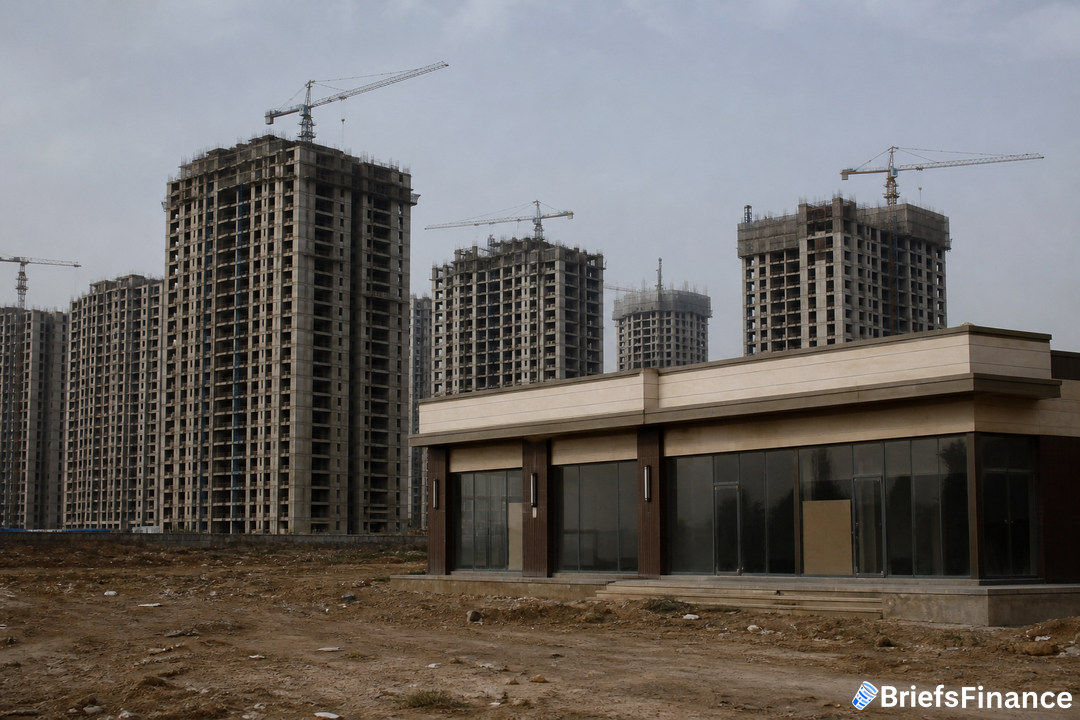
China is nudging developers away from selling units before they are built and toward handing over keys to completed apartments. The new approach lets developers collect just a small deposit from buyers. If builders miss the delivery date, buyers can walk away from the deal.
The old presale setup has been widely faulted for encouraging too much building and piling debt onto developers. A few years back, stalled projects helped trigger mortgage boycotts and public anger.
Why it squeezes local budgets
Goldman Sachs economists say the shift could make it tougher for cash-poor developers to bid for land, which is a big revenue source for local governments. In a Monday note, economist Lisheng Wang lifted the bank's projected decline in land-sale income to 30% from 20%.
The numbers so far, and how long it could last
Ministry of Finance figures show local governments took in 1.2 trillion yuan from land sales over January through July, down 30.8% from a year earlier. Goldman expects the slump in land-sale receipts to persist through 2027 or even longer, and says revenue from these sales could ultimately be as much as 90% below the mid 2021 peak.
Rates, prices and policy all end up in your budget eventually. Get the free Market Briefs daily newsletter and see it coming.
The broader backdrop
China's economy showed widespread softness in July. Consumer spending missed expectations and new-home prices kept falling. Some economists think growth slid further below the government's annual goal, which prompted Premier Li Qiang to call for stronger support. If you follow China-sensitive markets, this is one of those moments to watch how housing policy and local government revenues interact, because that mix can ripple into credit conditions and construction activity.