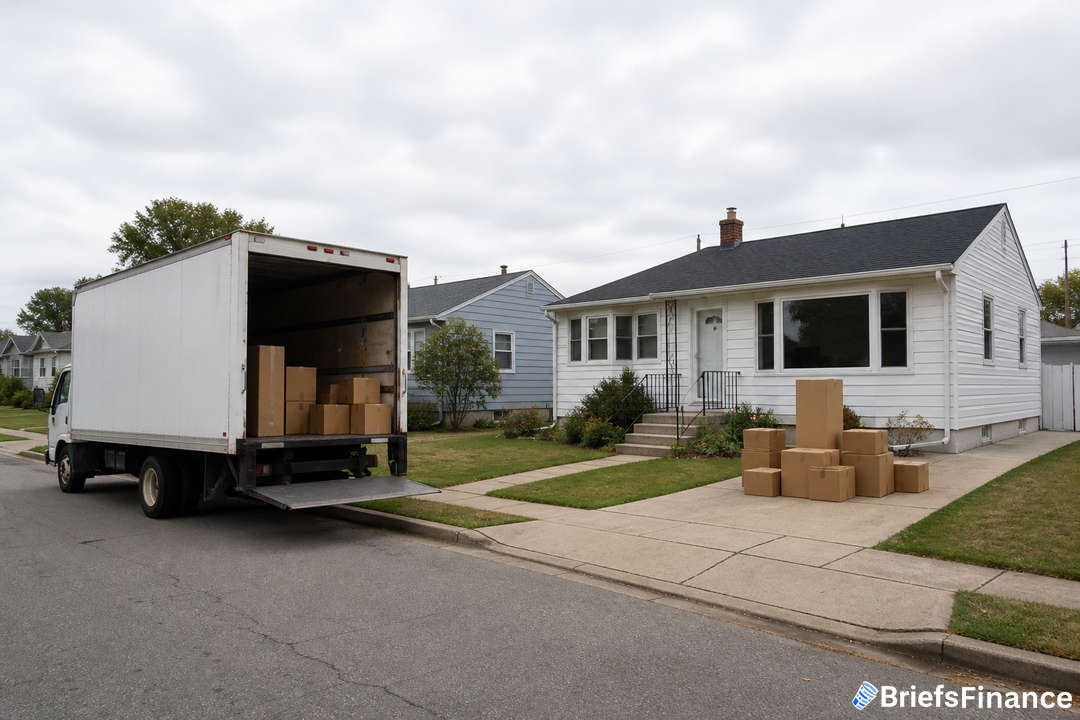
What changed in the starter-home market
For years, entry-level buyers were sprinting into multiple-offer showdowns. Now the fever is breaking. Zillow's latest read shows a split screen: luxury demand is still sturdy, but the starter tier has cooled.
There are more affordable listings to choose from, sellers are trimming asking prices more often, and bidding wars are less frequent. That all adds up to more negotiating power than buyers had a couple of years ago.
Chris Wands, a South Florida agent and founder of The Wands Team at Douglas Elliman, remembers the scramble. "Back then, buyers were waiving inspections, shortening timelines, and doing whatever they could just to compete," he says. Today, he calls the market "more balanced" and says that is the biggest win for first-time buyers.
How bargaining looks now
With the pressure dialed down, buyers can ask for things that were long shots in 2021 and 2022. As Wands puts it: "Today, depending on the property and price point, buyers can ask for seller credits, closing cost assistance, rate buydowns, repairs after inspection, longer inspection periods, or even certain furnishings or appliances to be included." He adds that well priced, top condition homes still move quickly, but stale, overpriced, or fixer listings give buyers real leverage.
Zillow's numbers line up with that. In June, roughly one in four entry-level listings cut the list price. About 25% of starter homes had a reduction, compared with 20.6% of luxury listings. That pattern points to sellers being open to back-and-forth rather than banking on a pile of offers over list.
"The best time to buy a home is when nobody else wants to," Kara Ng, senior economist at Zillow, said. She pointed out that compared with the past few years, buyers now have more options and greater leverage, even though wider economic headwinds remain.
Regional moves and sales trends
Zillow defines a starter home as a property valued between the 5th and 35th percentile in its local market. The typical U.S. starter home is worth about $202,000, up 2.3% from a year earlier. Nationally, starter-home inventory climbed 4.5% year over year, with standout jumps in Memphis, Tennessee (52%); Buffalo, New York (33%); Louisville, Kentucky (32%); Pittsburgh, Pennsylvania (26.3%); and Oklahoma City, Oklahoma (19%).
The demand picture splits by price tier. According to Zillow's analysis, luxury transactions were up 6.2% year over year in May, whereas starter-home sales declined 5.4%. San Francisco shows the spread vividly: luxury sales rose 21.6% from a year earlier, and starter-home sales slipped 1.2%. Zillow says higher-end buyers have been helped by stock market gains, whereas many first-time buyers are still wary as they balance borrowing costs with day-to-day bills.
Rates, prices and policy all end up in your budget eventually. Get the free Market Briefs daily newsletter and see it coming.
Rates are still high, and budgets matter
Affordability is not suddenly easy. Average 30-year mortgage rates sat at 6.79% at the start of August 2026, per Bankrate, and 30-year fixed rates averaged 6.89% as of September 2026. That has some would-be buyers waiting for relief.
Kristina Quesada, partner and realtor with The Yost Quesada Team in San Diego, California, cautions against trying to time rates perfectly. "If the home fits your budget today, you can always refinance if rates come down," she says. But she also draws a line: if you do not have enough savings or buying would stretch you too thin, renting can still be the better move.
"Buying should strengthen your financial position, not create unnecessary stress," she says.
Offering a caveat, LA Mortgage & Real Estate's Los Angeles-based mortgage and real estate broker, Aaron Bae, provides another perspective. "Rates falling usually means more buyers jump back into the market at the same time, which brings competition back and can push prices up enough to erase whatever you saved on the rate," he says.
What this means for your next move
If you are financially ready, this market offers things that were hard to find not long ago: more homes on the market, more asking-price cuts, fewer bidding skirmishes, and more room to negotiate on price or concessions. If your down payment is ready, your credit is solid, and your monthly budget is defined, the current environment may represent a relatively favorable window, compared with recent years, to buy a starter home without the frenzy. The tradeoff is clear enough for your wallet: less competition may help on price and terms, while higher rates still shape what you can comfortably afford.