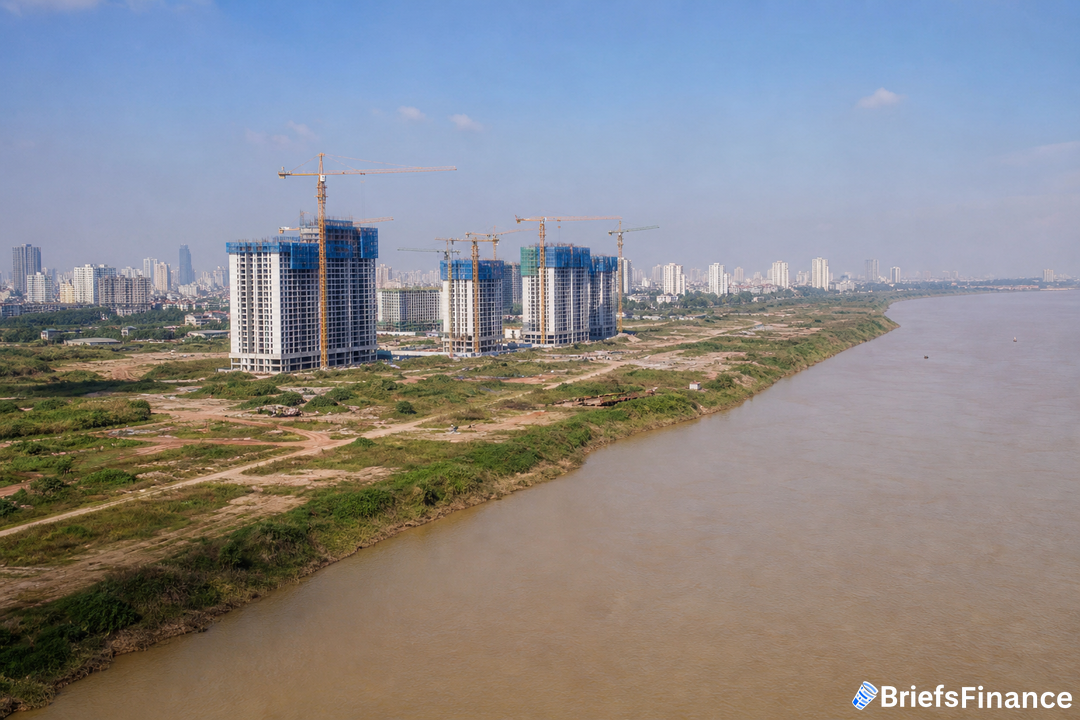
What Hanoi just proposed
Hanoi officials have put forward a draft that would lift compensation to double the current Land Law levels for people losing residential, farm, or other non-farm plots to the Red River boulevard project. It is one piece of a sweeping $2.5 trillion push to reshape the crowded capital. The proposal is open for 20 days of public feedback, and the city plans online meetings so officials can field questions directly.
The scale and the plan
The boulevard would stretch 80 kilometers (50 miles) along the river and is scheduled to wrap in 2038. The vision: a wide urban ribbon with green spaces, cultural spots and contemporary housing aimed at the kind of polished waterfronts seen in Singapore, Shanghai and Seoul. Hanoi is also proposing six new urban areas along the river by 2030 to host people who must move, with a stated goal of keeping livelihoods and neighborhood ties intact. Rather than raze them, the city says it will restore culturally and architecturally significant places such as the Thuy Linh and Bat Trang traditional ceramics villages.
Local resistance, delays and related headaches
Roughly 280,000 people live inside the project footprint, a bigger number than earlier estimates of about 200,000. Pushback has bubbled up online, and preservation messages still hang on tight passageways behind the river dike. Land clearance has long been a flashpoint in Vietnam's big builds, with common complaints that payouts trail market values.
The same disputes have also frozen other projects, such as a golf resort bearing the Trump Organization label in northern Hung Yen province; after months of payment disputes, police showed up in June to initiate site clearance. The city is also fast-tracking new centralized cemeteries because about 109,000 graves need to be relocated for this project.
Rates, prices and policy all end up in your budget eventually. Get the free Market Briefs daily newsletter and see it coming.
What this means for affected residents
The city chairman has pledged that fresh housing, plus supporting infrastructure, services and job pathways, will be in place before any relocation begins. Villages that fall short on flood protection and safety would be moved, while places with cultural or architectural significance would be upgraded. The richer payout is designed to reduce friction and clear land faster, but it will face a real-world test during the 20 day comment window and the follow up virtual Q&As.
Zoom out, and this fits Vietnam's near term ambition for economic growth of at least 10% and its longer term aim to reach high income status by 2045. For anyone living or investing in Hanoi, the question is not whether the riverfront changes, but how smoothly that change arrives and who gets made whole along the way.