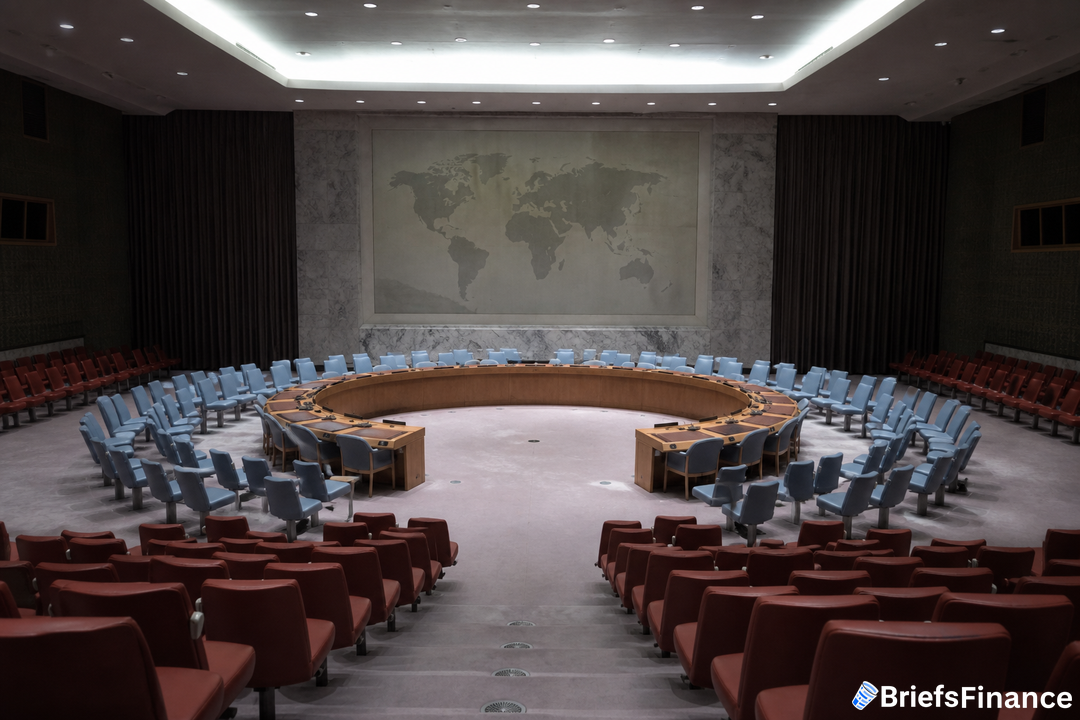
What the U.S. is asking
The U.S. wants the International Atomic Energy Agency's board to refer Iran to the U.N. Security Council, arguing inspectors still cannot account for sensitive nuclear material. The draft resolution calls on Tehran to "urgently remedy its non-compliance" and allow checks to ensure "the non-diversion of nuclear material," according to a two-page text seen by Bloomberg News. It also "stresses its support for a diplomatic solution" and encourages "all parties to constructively engage in diplomacy."
What inspectors can and cannot see
Tehran has kept the IAEA from auditing its uranium inventory for 15 months, a freeze that started with the Israeli strikes in June 2025. Inspectors have not been allowed back to damaged facilities at Fordow, Isfahan and Natanz. When the agency last confirmed the low-enriched stockpiles at those plants, the figures came to 440.9 kilograms (972 pounds) for one cache and 8,599.6 kilograms for the other.
The IAEA also lacks confirmation of activity at a site known as Pickaxe, which it places in the Zagros Mountains about 220 km (140 miles) to the south of Tehran. Separately, President Donald Trump last week told reporters that Pickaxe is a strongly defended mountain location immediately south of Iran's main enrichment facility in Natanz.
Rates, prices and policy all end up in your budget eventually. Get the free Market Briefs daily newsletter and see it coming.
Agency frustration and public remarks
IAEA Director General Rafael Mariano Grossi said Monday that "there's no engagement, there is no information, and we are being told that they are not going to cooperate until there is some agreement in the wider political negotiation." In a briefing to diplomats last week, he wrote that "the agency's lack of information about this nuclear material and access to facilities to verify it is a matter of proliferation concern," and urged Iran to let inspectors back in "with the utmost urgency."
Military context and recent statements
The last time Washington took Iran's nuclear file to the Security Council, Israel launched strikes on Iranian nuclear facilities within 24 hours, setting off a 12-day war. The current conflict began on Feb. 28, a day after the IAEA reported renewed activity near sites that had been bombed. Trump has repeatedly said the ongoing campaign aims to prevent Iran from developing a nuclear weapon, but the fight is stuck in stalemate and there is now less visibility into Iran's program than before the mid-2025 attacks.
What happens next and why it matters for your wallet
The IAEA board's weeklong meeting starts Monday in Vienna and will cover Iran among other regional issues. It is the first meeting for new U.S. Ambassador Preston Wells Griffith III, who served as a White House special assistant in Trump's first term. While referrals have historically opened the door to sanctions or even force authorizations, China and Russia are unlikely to back new measures.
Both have criticized Washington's approach and dispute the legality of U.N. sanctions that were snapped back last year. Bottom line: the standoff continues, and with fewer verified facts about Iran's program than before mid-2025, geopolitical risk remains part of the backdrop investors watch.