What the advisory said
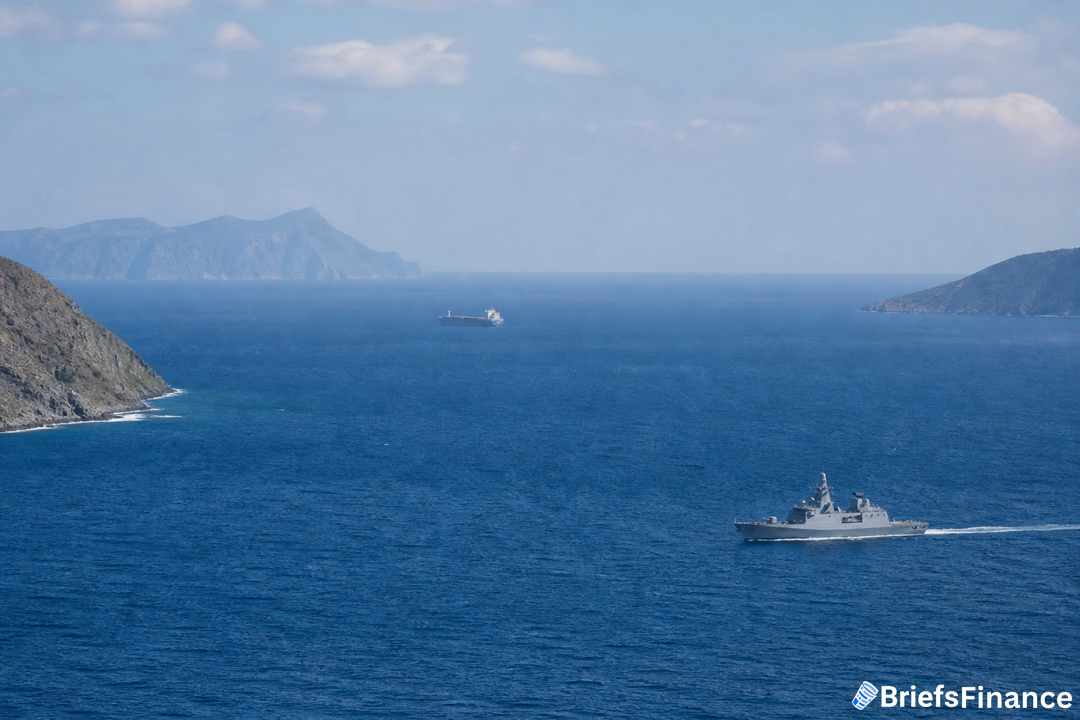
Via the Joint Maritime Information Center, US Naval Forces Central Command cautioned on Wednesday that "vessels which do not need to transit the area are advised to remain well clear to avoid unnecessary delays to their voyage." Ships that do pass through were told to "plan additional transit time to allow for increased traffic density and military blockade enforcement operations." The advisory did not specify what triggered the renewed warning.
Back in mid-July, when Washington launched its blockade of Iranian shipping, the guidance said neutral passage through Hormuz would remain open but crews should be ready to explain their plans. The new notice adds that "neutral vessels with neutral cargo or are in ballast sailing between these neutral ports may be subject to questioning, visit, and search to confirm their intentions regarding the blockade."
An emailed request for comment received no immediate response from US Central Command and US Naval Forces Central Command, the latter a Centcom naval unit that oversees the naval blockade of Iran.
Geopolitical uncertainty reminds investors that preparedness and perspective can preserve long term gains. We're hosting our first ever investor livestream on 11/17 to show you how to use ChatGPT and Claude to invest like a pro, hosted by Briefs Finance CEO Jaspreet Singh. Save your seat.
How crude is moving through the chokepoint now
Flows through Hormuz have bounced back in recent months. Now, shuttle tankers run back-and-forth between the Persian Gulf and the Gulf of Oman to move much of the oil, while additional ships that prefer to avoid the Strait are staging in the Gulf of Oman to take on cargo.
Dozens of crude carriers willing to transit Hormuz have helped lift shipments out of the Persian Gulf back to nearly prewar levels. At the same time, the US blockade has driven Iranian crude exports down to near zero, and Iran has intensified strikes on ships, reaching a wartime peak of almost 30 in October.
Why it matters for your portfolio
Here is the operating picture for oil: a US naval blockade, shuttle runs out of the Persian Gulf, and ship-to-ship transfers staging in the Gulf of Oman, alongside a surge in Iranian strikes on shipping. That setup has kept overall flows near prewar marks, but with more friction.
The bottom line: transit risk remains elevated around Hormuz, a corridor for a significant slice of global crude. Any interruption can move supply assumptions and price volatility across energy-linked assets.
When markets face surprises, using smarter tools helps investors stay thoughtful and ready. On 11/17, our CEO Jaspreet Singh goes live for our first ever investor livestream on how to use ChatGPT and Claude to invest like a pro. Register to join him.