What is being capped, and when it kicks in
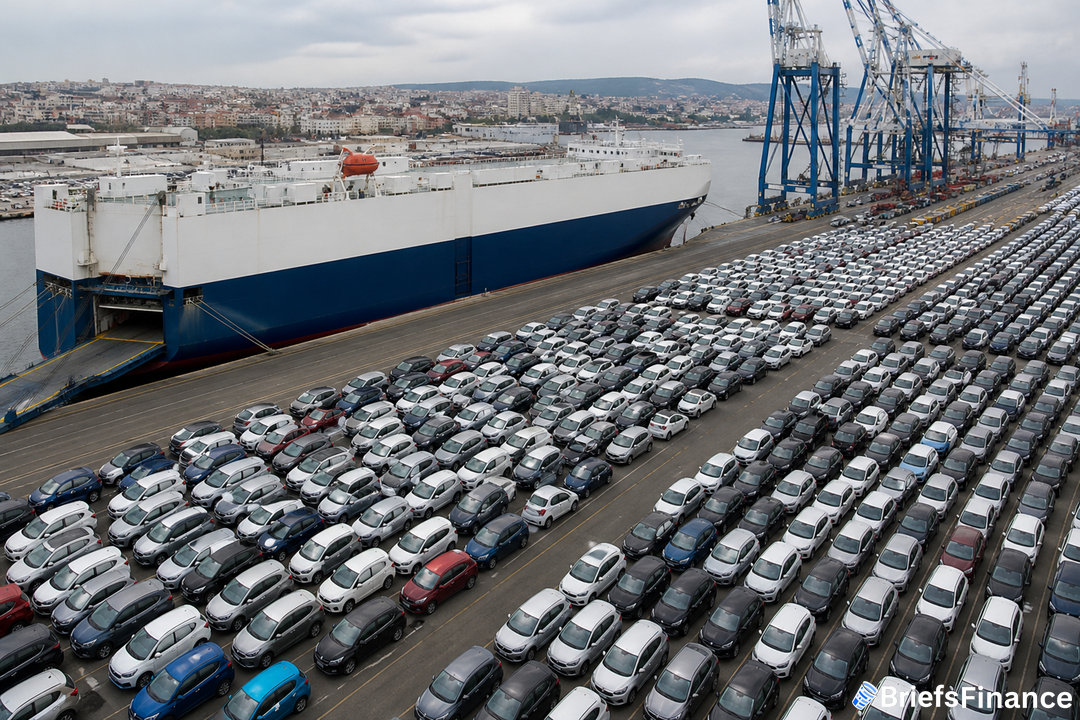
The EU is moving to curb hybrid car inflows with a safeguard that could begin as early as Dec. 1. The plan limits hybrid imports tied to China to 350,000 vehicles in the first year, and from year two the cap would rise 6% each year thereafter. The measure would be in place for four years, with both sides pledging to follow World Trade Organization rules during that period.
To comply with WTO non-discrimination, the restriction is structured to cover all hybrid imports, not only those built in China. Under the approach, China's allowance cannot be smaller than the quota granted to any other import source. The sweep includes countries that have free-trade deals with the EU.
Carve-outs would cover European Economic Area countries, plus Ukraine, Kenya, and developing WTO members that account for only a small slice of imports. It is not specified whether volumes beyond the quotas would face extra duties or whether the limit functions as a hard stop. A European Commission spokesperson did not immediately provide comment.
The broader give-and-take with Beijing
Alongside the cap, China plans to remove certain tariffs on automotive parts and temporarily cut in half duties on items like shoes, ice-cream and olive oil. All told, those steps would cover about €4 billion in exports. Brussels and Beijing will also look at simplifying export controls and licenses, with a focus on supplies of rare earths and permanent magnets, and they intend to share more detail on their respective export limits.
EU trade chief Maros Sefcovic sat down with Commerce Minister Wang Wentao in Beijing over the past week, with the bloc aiming to whittle down a daily trade shortfall exceeding €1 billion ($1.1 billion). "The trade deficit is a mountain of a challenge for the EU, felt in every member state. It is unsustainable and it demands a credible path to rebalancing," Sefcovic told reporters in Beijing Friday.
"We must defend our industries and restore a level playing field that has been distorted by global overcapacity." EU ambassadors who received a Sunday briefing from Sefcovic were largely positive on the outcome, but emphasized it is only an initial step toward rebalancing, according to people familiar with the discussions. Early in the new year, Sefcovic plans another meeting with his Chinese counterparts to review the agreements and set out the next steps.
Import caps reshape what cars are available and what they cost. Market Briefs covers trade policy free every morning.
Why Brussels is acting now
Imports of vehicles from China into the EU climbed by nearly three quarters through August this year. In the same month, Chinese-built cars represented roughly one in four hybrid purchases in Europe. Chinese hybrid sales have been buoyed in part because they were not caught by the EU's tariffs on electric vehicles that took effect in 2024. Dataforce also notes that BYD set a new high for European market share in August.
Its breakdown covers the EU, EFTA and the UK, and counts both plug-in and non-plug-in hybrids. Chinese brand coverage includes Polestar, DR, Evo, Chery-Ebro and Stellantis-Leapmotor tie-ups.
Chinese manufacturers, including Chery Automobile Co., have accelerated deliveries to Europe as their domestic market cooled, piling pressure on European incumbents. Mercedes-Benz Group AG reported an 8% drop in third-quarter car sales, Volkswagen AG cut its profit outlook last month, and BMW AG issued a profit warning in June. Europe's trade deficit with China hit €360 billion last year.
What it means for your money
EU leaders will meet in Brussels on Thursday to chew over the hybrid cap and wider steps to stem imports of subsidized, lower-priced goods that undercut local producers. If this safeguard holds, officials may test similar tools in other industries. The European Commission aims to roll out a menu of measures by year end to diversify supplies and confront the China imbalance. Translation for your wallet: who can sell into Europe, and on what terms, may shift in the coming months - which can ripple into autos, parts, commodities like rare earths and even consumer goods.
A hard annual ceiling is a very different tool from a tariff. Get the free Market Briefs daily newsletter and follow the rules.