What could change and when
The EU's methane rule pulls importers into new monitoring and reporting starting next year as part of a broader clampdown on leaks and flaring. Jorgensen said in an interview that the bloc could push the import piece back by one year, which would shift it to 2028. From 2030, imports that exceed a set methane intensity could face penalties, and the current framework allows fines of up to 20% of a company's annual turnover.
Why the rethink now
Policymakers are trying to thread the needle between climate goals and keeping the lights on as the Iran war roils energy flows. "I have instructed my services to look into the possibilities of postponing the import part of the legislation with one year," Jorgensen told Bloomberg News on Friday. "And this would give the market actors time to make sure that they can indeed implement these new rules without it hurting our security of supply and prices."
Pressure has built from industry and roughly a dozen governments and major exporting nations, led by the US. Earlier this year the EU recommended a three year pause on penalties for non‑compliance. The Commission has argued that guidance stating that penalties will be withheld from 2027 through 2029 is sufficiently sound in law to calm those worries. Support for a one year delay gained steam after French President Emmanuel Macron, earlier this month, sent a letter addressed to Ursula von der Leyen, the President of the European Commission, pushing that proposal.
Regulatory shifts remind investors to reassess risks and protect long term savings. Join Briefs Finance CEO Jaspreet Singh on September 29th for a FREE live investor workshop, How to Profit From A Dollar That's Losing its Value, where he shows how we're spotting investment opportunities as the dollar falls. Save your spot.
Security worries and industry pushback
"We are approaching a potentially very tough winter with the uncertainty regarding the situation in the Strait of Hormuz and therefore very high energy prices," Jorgensen said. "I do not think we can go into this winter not knowing that we've done everything we can to create certainty and be sure that we at least have done what we can do to alleviate some of the negative consequences that might hit us and our citizens and companies."
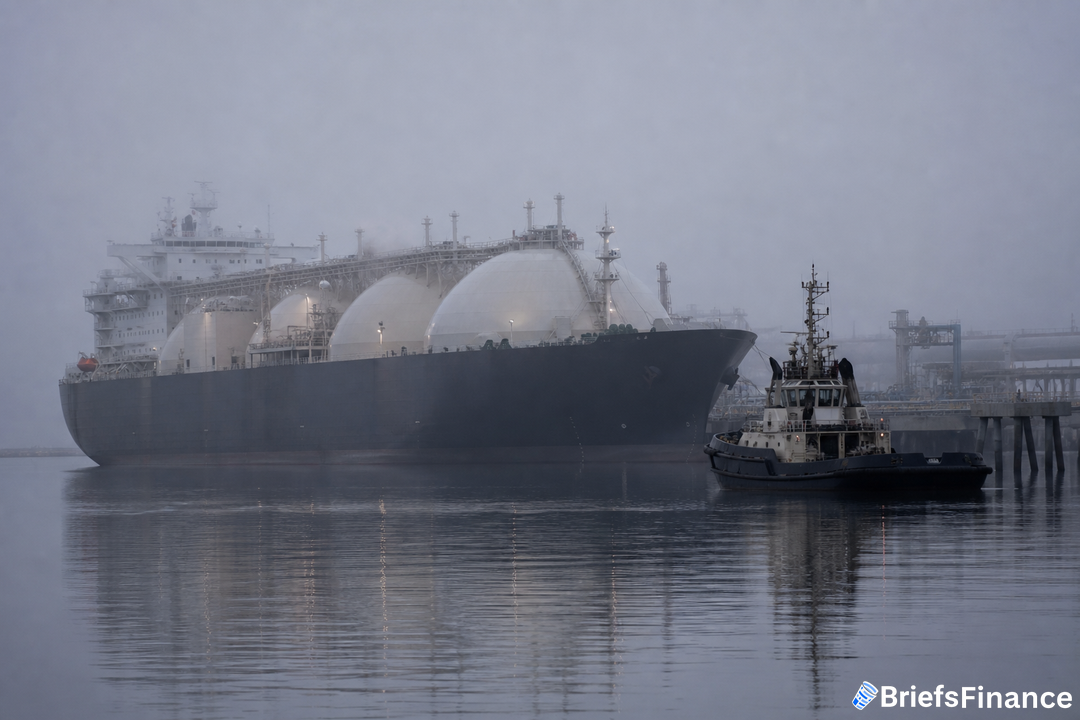
Oil and gas producers have warned the new regime could threaten supplies and say recommendations alone leave importers exposed to non‑compliance. The US - currently Europe's largest LNG supplier - cautioned that its production could be redirected to other markets unless the EU relaxes the rules. Industry tensions resurfaced Thursday, as Repsol SA warned that roughly 90% of the crude oil it sources would breach EU rules, owing to many suppliers declining to share the data required by the methane regulation. Jorgensen countered that the EU is not dialing back its goals: "Methane is still at the core of our fight against climate change and we want to continue to be world leaders in this. And our ambitions are also the highest in the world."
What to watch next, and why it matters to your wallet
Jorgensen left unclear the timing for when the Commission might present a formal plan to amend the regulation, as well as the shape of any changes. Energy ministers are expected to take up the topic alongside their informal gathering in Dublin next week. The science is stark: methane holds in about 80 times as much heat as CO2 during its initial 20 years in the atmosphere, underpinning the EU's push for improved measurement and reductions. For your budget, the timing call influences compliance costs, potential penalties from 2030, and where cargoes are shipped if exporters bristle at the rules - all of which can shape European energy prices and the profits of companies supplying your gas and power.
Steady planning helps you preserve capital and patiently grow wealth over time. Our CEO Jaspreet Singh is hosting a FREE live investor workshop, How to Profit From A Dollar That's Losing its Value, on September 29th. Sign up free to join him live.