What the court decided
Kenya's appeals court backed the housing levy and threw out objections that included claims of poor public consultation and that the measure undercut county governments. The five judges on the panel - Wanjiru Karanja, Patrick Kiage, Aggrey Muchelule, Weldon Korir and George Odunga - wrote that the law "seeks to respond to the challenges of implementing the right to housing." In a phone interview, one of the six appellants, Magare Gikenyi, said he will contest the ruling at the Supreme Court.
Why the levy matters now
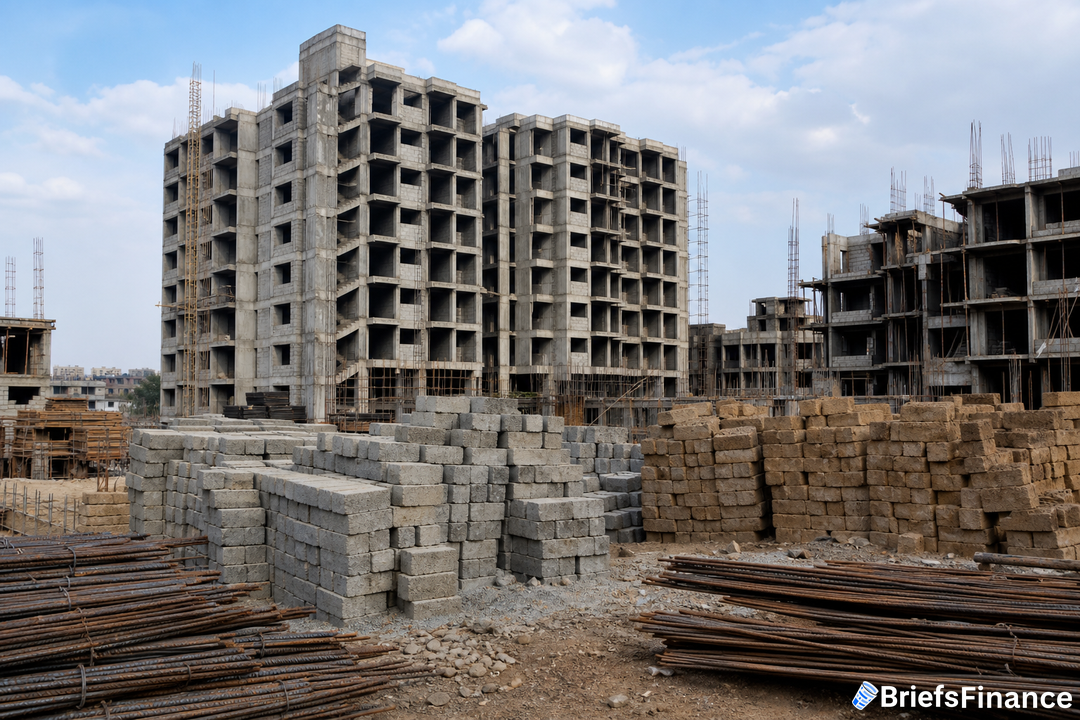
The levy is tied to President William Ruto's $14 billion affordable housing drive that aims to deliver 200,000 units each year, while also building apartments and hostels and upgrading slums and markets. A report by lawmakers found the program has run into funding gaps that stalled work, increased costs and caused delays. By the end of June, 176 projects - equal to 15% of total construction - had stopped progressing as contractor repayments lagged.
The fiscal picture and politics
Kenya's Treasury expects collections from the housing levy to increase to 110 billion shillings ($849 million) during the fiscal year ending June 2027, up from 95 billion shillings earlier. At the same time, Kenya remains at high risk of debt distress, and more than half of tax revenue goes toward servicing liabilities. Attempts to raise levies have been politically sensitive, sparking anti-government protests two years ago that challenged Ruto's presidency.
Policy changes can affect personal finances, so stay focused on your long-term goals. Join Briefs Finance CEO Jaspreet Singh on September 29th for a FREE live investor workshop, How to Profit From A Dollar That's Losing its Value, where he shows how we're spotting investment opportunities as the dollar falls. Save your spot.
What this could mean for your portfolio
Watch how the numbers line up with the projections: if levy receipts climb and contractor payments catch up, some of those stalled sites could restart, which would ripple through suppliers, builders and local economies. If not, delays may persist and timelines could stretch. If you have exposure to Kenyan infrastructure or consumer activity linked to public works, the next few fiscal updates through June 2027 will matter.
Regularly reviewing your plan helps protect savings and find steady growth opportunities. Our CEO Jaspreet Singh is hosting a FREE live investor workshop, How to Profit From A Dollar That's Losing its Value, on September 29th. Sign up free to join him live.