A fast pivot, with geopolitical weight
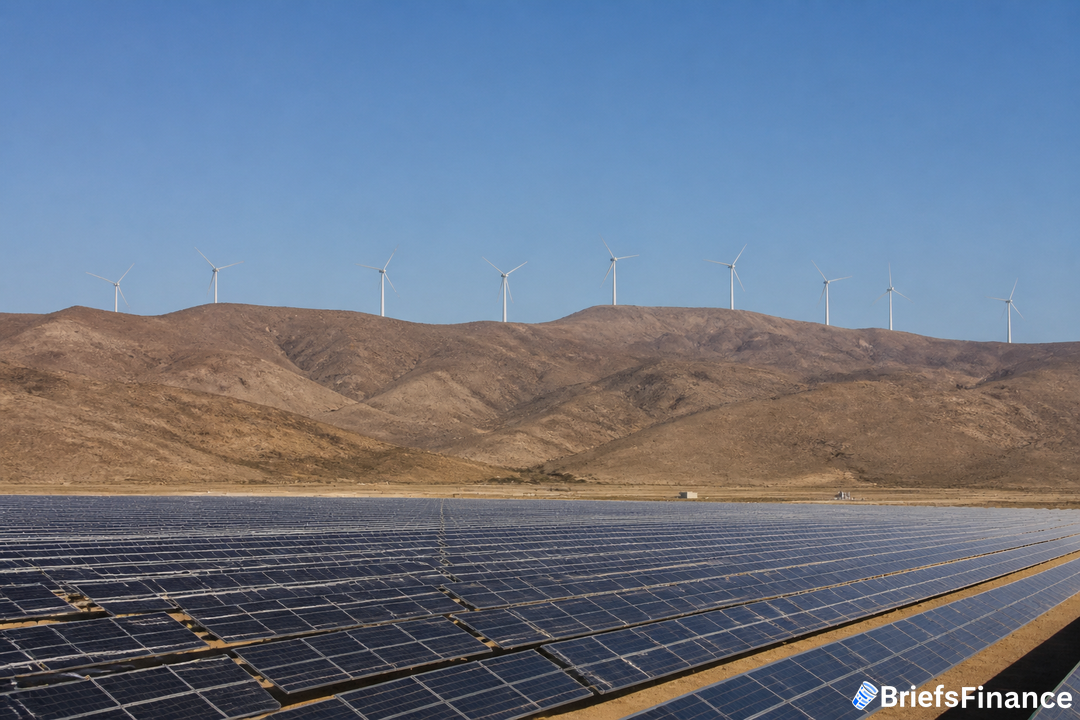
While the US leans harder into oil and gas, Al Gore says many emerging markets are moving the opposite way. Gore, who served as Bill Clinton's vice president and now chairs Generation Investment Management, said, "We've seen incredible changes just in the months since this war in Iran started, with countries everywhere reevaluating where they stand and assessing how quickly they can move forward." He pointed to a "real sea change" in Thailand, Pakistan, and parts of Africa, adding that Chinese clean-tech exports are speeding things up.
Generation's sustainability trends report, released Thursday, argues these dynamics make it more likely that developing economies will build around clean electricity and sidestep the fossil-fuel-heavy phase previous industrial powers depended on. "The greatest aspiration of the clean-energy movement seems increasingly plausible," the firm wrote.
India as the big test, and a historic oil shock
Generation calls India, the world's most populous country, the key proving ground for the leapfrog idea. The economy has long leaned on coal, but its solar rollout is growing at a rate exceeding 40% annually. Prior to the Iran war, India connected homes to electricity more quickly and used less fossil fuel per capita than China did at a similar stage of industrialization.
According to the International Energy Agency, the conflict in Iran has produced the most severe supply interruption ever recorded in the global oil market. Hostilities began on Feb 28, and countries started adjusting within weeks. By March, imports of Chinese solar gear spiked: Kenya bought 207% more than in February, Ethiopia was up 391%, and Nigeria rose 519%, according to Ember.
Long term, resilient investment habits can help protect and grow your savings. Join Briefs Finance CEO Jaspreet Singh on September 29th for a FREE live investor workshop, How to Profit From A Dollar That's Losing its Value, where he shows how we're spotting investment opportunities as the dollar falls. Save your spot.
The money trail: billions avoided and a turning point
By August, the Centre for Research on Energy and Clean Air estimated that during the initial five months of the energy crunch tied to the Iran war, clean power added since 2020 saved fuel-importing countries about $36 billion they would otherwise have spent on gas, coal, and oil. The breakdown: $22 billion in gas, $10 billion in coal, and $5 billion in oil. "This is a turning point."
US politics and your wallet
"There is now a change in the dialogue in the US inside the Republican party," Gore said, adding that "The impact on the economy and the impact on the environment" of attacking Iran "are now combined" in how voters see it.
What matters for your money: if big emerging markets keep ramping up clean power, that could shift where growth happens, how trade flows look, and which countries pocket lower energy bills.
Understanding broad trends and maintaining discipline keeps your financial future on track. Our CEO Jaspreet Singh is hosting a FREE live investor workshop, How to Profit From A Dollar That's Losing its Value, on September 29th. Sign up free to join him live.