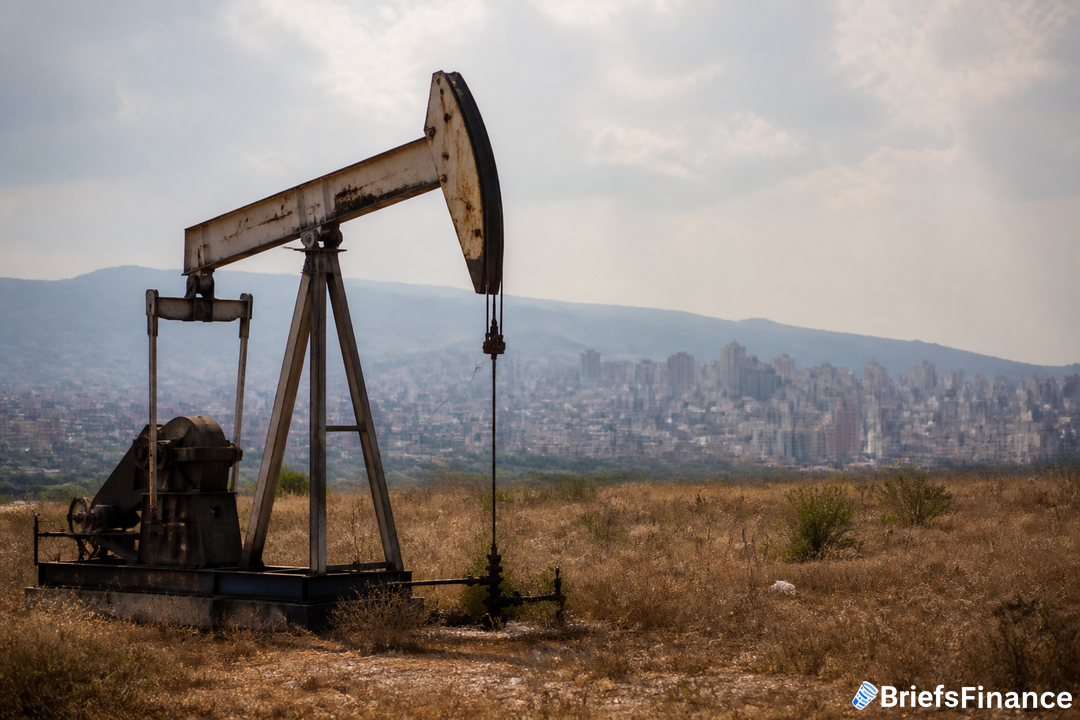
What happened this week
ExxonMobil held talks with Venezuelan officials this week about re-establishing operations. Company leaders arrived in Caracas on Tuesday night to negotiate access to several heavy-oil fields, said people familiar with the discussions, who requested anonymity given the confidentiality of the talks.
Those people said ExxonMobil wants to regain control of two large Orinoco Belt ventures it once operated, Petrovictoria and Petromonagas, which were taken over by the state under former President Hugo Chávez in the mid-2000s. The company is also seeking rights to two more fields in the nearby Carabobo region. For months, the negotiations have repeatedly started and paused, hampered by lengthy lapses in communication.
An ExxonMobil spokesman declined to comment. There is no assurance the talks will result in a deal.
Why ExxonMobil is cautious
Executives are moving carefully after seeing assets nationalized twice since the 1970s. Unlike Chevron, which remained through nationalizations and sanctions, ExxonMobil has no active oil-field operations in Venezuela at present, meaning a return would demand substantial investment.
In January, Chief Executive Officer Darren Woods called Venezuela "uninvestable," a remark that frustrated US President Donald Trump. At a White House meeting that month, Woods told Trump, "You can imagine to re-enter a third time would require some pretty significant changes." By May, he highlighted ExxonMobil's heavy-oil experience in Canada as a possible advantage in Venezuela, saying, "The work on heavy oil, the technology developments we've been making, I think positions us uniquely in terms of low-cost production of the Venezuelan resources."
Longer term thinking helps protect your savings and capture steady opportunities. Join Briefs Finance CEO Jaspreet Singh on September 29th for a FREE live investor workshop, How to Profit From A Dollar That's Losing its Value, where he shows how we're spotting investment opportunities as the dollar falls. Save your spot.
The bigger picture
An ExxonMobil comeback would be a big marker in President Trump's push to reboot Venezuela's oil industry after removing former leader Nicolás Maduro. Washington is pressing US producers to strike agreements that lift output. On Wednesday, Continental Resources Inc., controlled by Harold Hamm, said it reached an agreement to enter Venezuela, and Chevron Corp., Eni SpA and others have revealed additional deals in recent weeks.
Under a deal Chevron reached earlier this month, the company aims to double its Venezuelan output to above 600,000 barrels per day by the early 2030s. Achieving that target would require about $7 billion of spending, and CEO Mike Wirth said last week the intention is to finance it using cash generated by current Venezuela operations instead of injecting fresh external capital.
What could get in the way
Plenty could still derail this. Talks between ExxonMobil and Venezuela have repeatedly started and stalled, and any new commitment would be sizable given ExxonMobil's lack of current operations in the country. Policy risk is also front and center. There is no guarantee Trump's Venezuela approach lasts beyond his presidency, and it is unclear how durable Venezuela's fiscal and regulatory changes will be for foreign oil companies.
ExxonMobil already holds the dominant position next door in Guyana, which hosts the world's fastest-growing oil fields. A return to Venezuela would bring capital and expertise that could help rebuild damaged infrastructure and would signal more confidence in the country's investment environment. For your wallet, the upshot is that politics, policy and geology are all in play here, and the timing and size of any ExxonMobil move would shape how much fresh capital really flows into Venezuela's oil patch.
Keeping a calm strategy can preserve capital and support future growth. Our CEO Jaspreet Singh is hosting a FREE live investor workshop, How to Profit From A Dollar That's Losing its Value, on September 29th. Sign up free to join him live.