The pitch: more buyers, fewer bottlenecks
Trans Mountain Corp., owned by Canada, is working the room in Asia to avoid overreliance on any single buyer. Chief Administrative Officer Jennifer Pierce said the aim is "not being dependent on one country over another," highlighting "opportunity to expand to Korea and Japan and Thailand and Malaysia and Vietnam," which she described as "middle powers." She spoke Wednesday at the Oil Sands Expo in Fort McMurray, Alberta, after returning last weekend from meetings with customers in China, Korea and Japan, and with prospective buyers in India, Singapore, Brunei, Thailand and Vietnam.
What the line is moving now
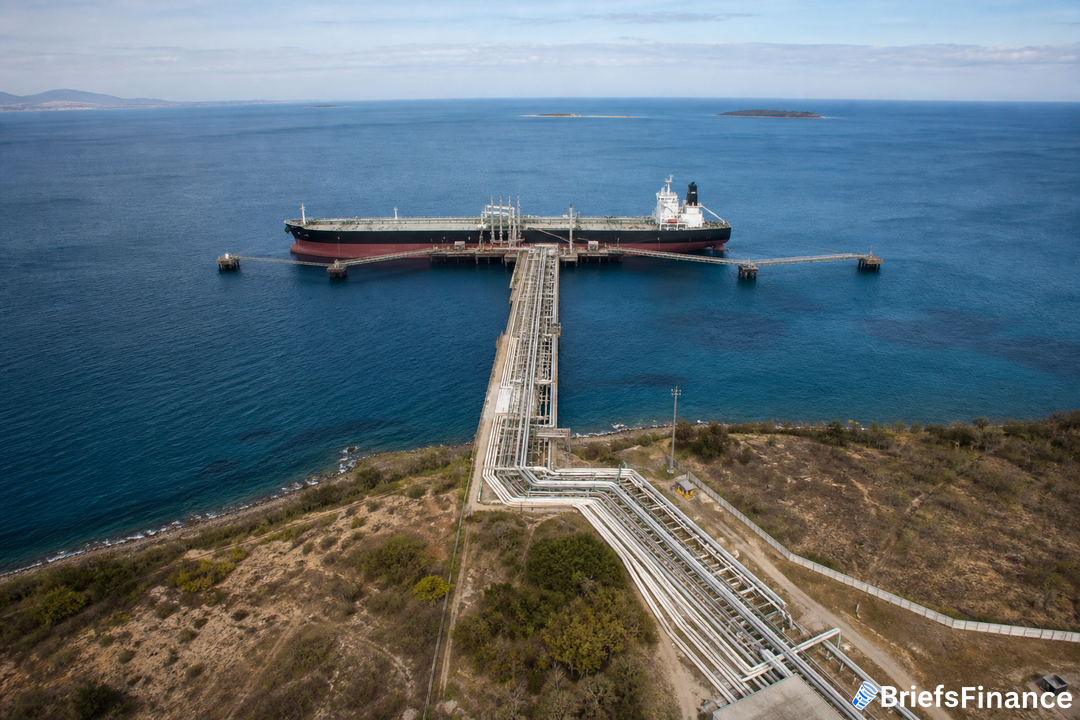
Trans Mountain runs the only oil pipeline from Alberta to the British Columbia coast, and its capacity was nearly tripled in May 2024. Since then, China has been the top taker of those barrels, followed by refineries on the US West Coast. According to Vortexa, exports from a terminal near Vancouver averaged 519,000 barrels a day in July, a level that matched the record reached last fall, and 31 tankers took on cargo.
Demand to ship on the 890,000 barrel a day system was strong enough that space was rationed in May and June for the first time since the expansion. China, the largest buyer from the pipeline, has recently pared back Canadian purchases amid a broader pullback in its imports. Pierce said the marine terminal should reach its ceiling of 34 tanker loadings a month by year end. "With what's going on in the Middle East, everybody is looking for opportunities to bring in different types of oil, whether it be 100% Canadian bitumen or blend it with other fuel sources."
In times of shifting trade and opportunity, protecting your savings starts with a plan. Join Briefs Finance CEO Jaspreet Singh on September 29th for a FREE live investor workshop, How to Profit From A Dollar That's Losing its Value, where he shows how we're spotting investment opportunities as the dollar falls. Save your spot.
Why Asia is listening
Trans Mountain is becoming a go‑to route for Asian oil buyers looking to shore up supplies after the Iran war earlier this year cut into Middle East exports. In recent months, South Korea has turned into a steady buyer of Canadian heavy crude, while Japan has only just started taking cargoes. Others, including India and Brunei, have received only a few shipments so far.
What's next and why it matters for your money
Two capacity levers are coming into play. Pierce said the company is pursuing an additional 300,000 barrels a day of capacity, targeted for completion in under two years, and noted that the first phase is expected to be operating by the start of next year. She added that drag‑reducing agents should enable nearly another 100,000 barrels a day of exports off Vancouver. All of this lines up with Canada's goal to sell less to a single market, given roughly 90% of its crude exports still go to the US amid ongoing trade tensions.
Long term goals stay intact when you regularly check and adjust your investments. Our CEO Jaspreet Singh is hosting a FREE live investor workshop, How to Profit From A Dollar That's Losing its Value, on September 29th. Sign up free to join him live.