What changed in Ottawa
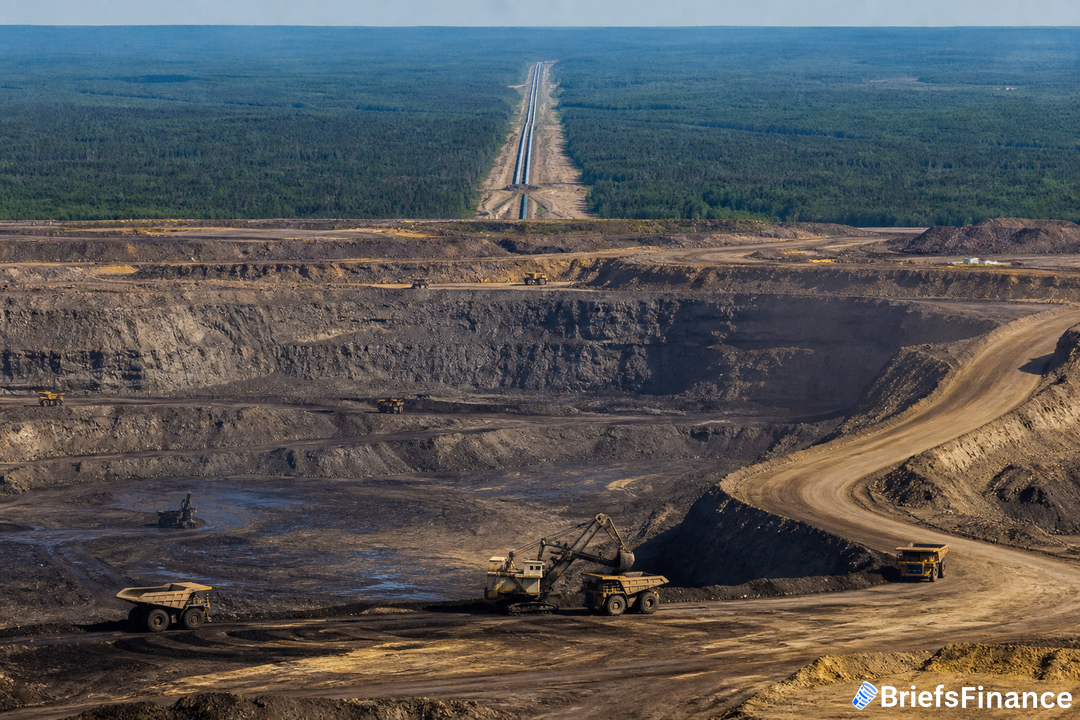
On Wednesday, the federal government announced it would eliminate federal environmental assessments for certain energy developments. The scope covers pipelines that carry oil and gas, facilities for natural gas, and oil sands projects. It is the latest in a series of moves over the past year meant to back energy production and accelerate approvals.
Prime Minister Mark Carney's government has loosened some environmental rules, delegated parts of oversight, and is pushing a one project, one review model. It has also cut the industrial carbon price target and scrapped a consumer carbon tax.
What officials and industry are saying
"I think if you talk with the oil stands people, they have what they need from the federal government," said Tim Hodgson in a Wednesday interview. "They are working through various incentives with other parties and I am confident they have what they need to fill the infrastructure that we're proposing to build."
Hodgson tied the regulatory push to today's trade backdrop: "We are in a trade war, one we didn't ask for, but we need to win," he said. "If we are going to do that, we need to move faster. That does not mean do it less well, it means we raise the competence of government to do everything in an environmentally responsible way, to do everything in partnership with Indigenous peoples, but do it faster given where we are in the world."
A steady plan helps investors protect savings and capture long term opportunities. Join Briefs Finance CEO Jaspreet Singh on September 29th for a FREE live investor workshop, How to Profit From A Dollar That's Losing its Value, where he shows how we're spotting investment opportunities as the dollar falls. Save your spot.
Pipelines, production and the pivot in investment
Over the coming decade, plans envision more than 2 million barrels of additional crude export pipeline capacity. The country's oil production runs a little above 5 million barrels per day. Among the projects on the drawing board is a proposed million-barrel-a-day pipeline to the British Columbia coast, backed by both Alberta and the federal government. Political leaders see that route as a way to increase shipments to Asia and lean less on the US as a buyer amid a grinding trade war.
Producers have long criticized the rules put in place under former prime minister Justin Trudeau and for more than a decade they have avoided making significant investments in expansion projects. That caution is now colliding with a policy turn under Carney, for whom achieving status as an energy superpower is a central economic aim.
Carbon capture talks and the price tag
Ottawa and Alberta are negotiating the structure of a large carbon capture project alongside a coalition of five leading oil sands companies - Canadian Natural Resources Ltd., Suncor Energy Inc., Cenovus Energy Inc., ConocoPhillips Canada and Imperial Oil Ltd. The talks include potential incentives to spur new greenfield output and funding for the carbon storage buildout. Industry insiders and analysts say the combined effort would need north of C$100 billion, or $72.5 billion.
What this could mean for your money
The through-line here is speed. Faster approvals, clearer backing for exports and a still-massive decarbonization bill point to one thing for investors tracking energy: real projects and real spending to watch. If you follow commodities or Canadian energy names, the mix of added pipeline room and a C$100 billion scale carbon capture build could shape cash flows and timelines in the years ahead.
Keeping your goals in focus lets you weather change and build wealth. Our CEO Jaspreet Singh is hosting a FREE live investor workshop, How to Profit From A Dollar That's Losing its Value, on September 29th. Sign up free to join him live.