Mortgage costs surge, and demand cools fast
Homebuyers are running into sharply pricier loans. The construction ministry said last month that typical mortgage rates sit around 12% to 14% and floating-rate loans are reaching 15% to 16% - a big jump from 2025, when banks dangled 5% to 7% introductory offers for borrowers under 35. With financing costs rising and entry-level options thin on the ground, deals are slowing: the ministry reported second quarter property transactions fell by 36% from a year earlier, to roughly 100,000.
The World Bank noted property credit expanded 42% last year, outpacing overall loan growth by more than two to one. In a May update, the bank noted that the surge in lending largely inflated home prices and did little to boost broader output. Affordability is stretched too: for many households, purchase prices exceed 30 times yearly income, far above the commonly used global yardstick of three to eight times.
Banks feel the squeeze as the state chases 10% growth
Hanoi's growth plan leans heavily on fresh transport links, including new roads and rail. That nation-building push, and banks extending credit faster than they attract deposits as recently as August, has stoked competition for funding and pushed borrowing costs higher. Officials put last month's cash shortfall at $77 billion.
In an unusually blunt note, the State Bank of Vietnam said the imbalance between credit and funding could threaten financial and monetary stability. The central bank has asked lenders to pull back on real estate exposure, which already makes up about one quarter of outstanding loans, and to put more weight on financing small and medium sized firms, citing "very limited room" for policy easing. Agribank, a major state owned lender, tightened vetting of property loans, including checks on project legality and developers' repayment capacity, and said it would steer capital to genuine social housing rather than speculative or top tier projects.
Skewed supply, tougher build math, pricier homes
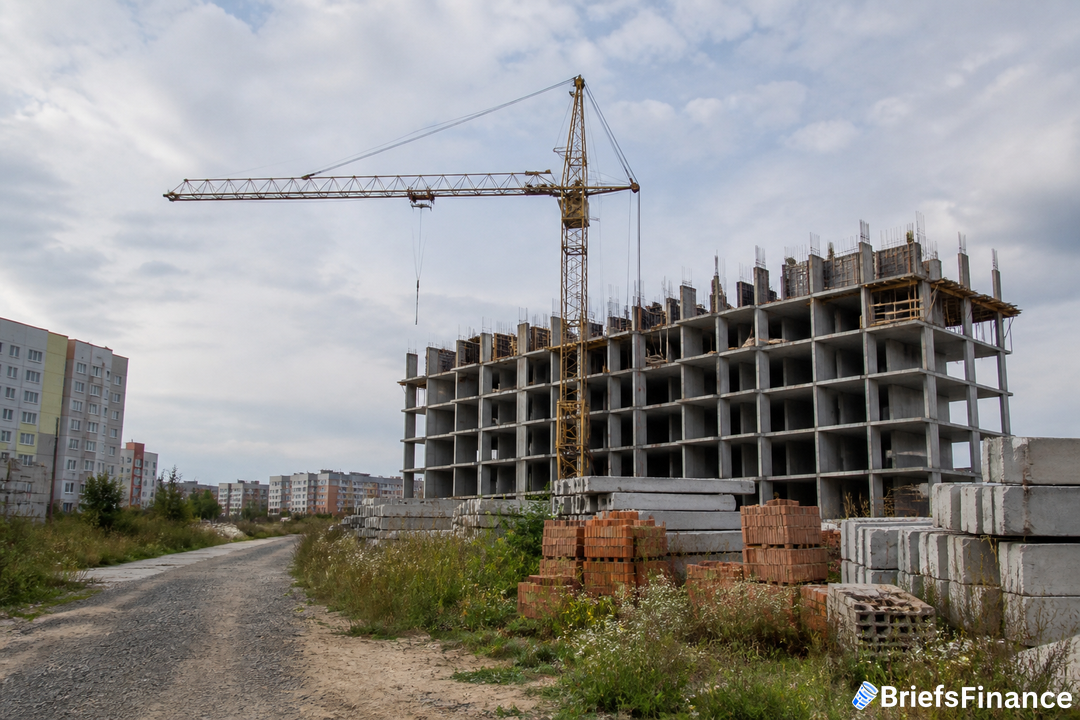
Vietnam's big city housing pipeline is tilted toward the luxury end. The Vietnam Association of Real Estate Brokers says premium apartments made up over 70% of new listings in the first half of 2026. In Hanoi, new affordable stock has shrunk by about 28% annually since 2022, according to Savills Vietnam.
"The problem is that there's a strong skew toward building high-end homes that don't match the social housing" people want, according to Willie Tanoto, a senior director at Fitch Ratings. Costs to bring projects to market are also climbing - from land clearance to lengthy approvals - which the construction minister told parliament is worsening the shortage. With supply out of step with demand, speculation and flipping are adding fuel to already rising prices.
Rising costs can prompt reassessment, making steady planning essential for your financial goals. Join Briefs Finance CEO Jaspreet Singh on September 29th for a FREE live investor workshop, How to Profit From A Dollar That's Losing its Value, where he shows how we're spotting investment opportunities as the dollar falls. Save your spot.
Households under pressure, and what to watch for your money
Younger buyers are getting hit hardest as rising prices, scarce budget friendly options, and steeper mortgages collide. Nguyen Hong An, 29, an office employee based in Ho Chi Minh City, looked at a 3 billion dong (about $115,000) apartment but has only around 1 billion dong saved. "I'll see if I can borrow from my family and relatives for the purchase, otherwise I'd rather wait until rates cool down," he said. He figures the monthly payment would be about 30 million dong, which is more than he can manage.
Existing owners feel it too when fixed loans reset. Nguyen Thi Ngoc Trinh, 33, has a mortgage of 2 billion dong with a 6.5% fixed rate that converts to a floating rate in October. "I'm worried my monthly payments could nearly double," she said, adding she intends to request a deferral on principal from her bank. "I may sell some of my gold to reduce the loan and keep monthly payments under control."
For anyone eyeing Vietnam exposure - whether housing, bank stocks, or funds tied to the economy - the mix is clear: property credit grew fast, a large slice of lending is already in real estate, and regulators are tapping the brakes. Affordability and the supply mix, not just loan growth, will set the tone for prices and risk ahead.
Protecting and growing savings requires calm decisions and a thoughtful long term approach. Our CEO Jaspreet Singh is hosting a FREE live investor workshop, How to Profit From A Dollar That's Losing its Value, on September 29th. Sign up free to join him live.