Free NewsletterPro Login

Warning: Undefined variable $stocks in /var/www/briefs.co/htdocs/wp-content/plugins/oxygen/component-framework/components/classes/code-block.class.php(133) : eval()'d code on line 448

Warning: foreach() argument must be of type array|object, null given in /var/www/briefs.co/htdocs/wp-content/plugins/oxygen/component-framework/components/classes/code-block.class.php(133) : eval()'d code on line 448

Warning: Undefined variable $funds in /var/www/briefs.co/htdocs/wp-content/plugins/oxygen/component-framework/components/classes/code-block.class.php(133) : eval()'d code on line 472

Warning: foreach() argument must be of type array|object, null given in /var/www/briefs.co/htdocs/wp-content/plugins/oxygen/component-framework/components/classes/code-block.class.php(133) : eval()'d code on line 472
/* the link was here */

U.S. plans to ban Canadian bikes and booze as trade fight with Ottawa escalates

Published Sep 9, 2026
Share:
Summary:
  • President Donald Trump issued executive orders outlining upcoming blocks on various Canadian imports, with the curbs scheduled to begin Sept. 29, 2026.
  • The bans would largely replace existing 50% tariffs; separate tariff changes start Sept. 15, adding all-terrain vehicles and animal hides while dropping rock salt and cement.
  • That day, Canada rolled out levies on CA$27.6 billion in U.S. products over 700-plus tariff lines, spanning items such as steel, dairy, agricultural machinery, paper and pulp, electronics, and more.

What Washington just announced

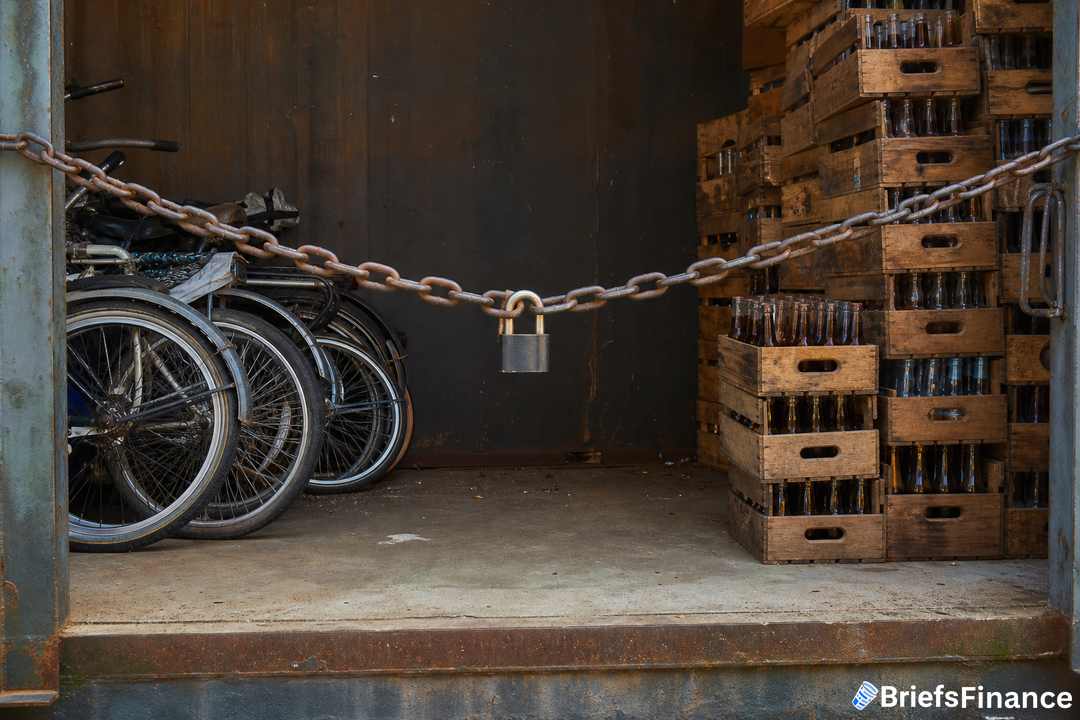
Late Monday, the White House announced plans to block imports of several Canadian products, detailing the approach through a series of executive orders. The list names whey products, molasses, and non-alcoholic beer, along with alcoholic drinks such as malt beer, wines, cider, whiskies, vodka, plus other spirits, and it also extends to higher-capacity motorcycles and mopeds. These import curbs, which largely supplant 50% tariffs, will start on Sept. 29, 2026.

Separately, the U.S. said tariffs on other Canadian goods will be modified and extended beginning Sept. 15. Those tweaks add all-terrain vehicles and animal hides to the tariff roster while removing rock salt and cement.

Why the U.S. says it is acting

U.S. Trade Representative Jamieson Greer called the moves a "natural consequence of Canada's continued discriminatory treatment of crucial American exports." Trump claims Canada puts U.S. exports at a disadvantage in autos, alcohol and dairy, pointing to the U.S. goods trade deficit, and he has threatened to impose a 50% tariff on cars, trucks and auto parts starting Jan. 1, 2027.

Ottawa has pushed back. In August, Prime Minister Mark Carney argued the "narrow merchandise trade deficit only exists because the U.S. buys so much of its energy from us," and noted that Canada is the largest buyer of U.S. cars and steel. On Tuesday, he said Canada's tariffs would "come with a cost" but were needed to shield businesses, workers, and communities. Both sides blame the other for talks collapsing just before the Aug. 21 deadline and accuse each other of harming domestic workers.

Canada's counter and the alcohol flashpoint

Canada's tariff package covering CA$27.6 billion in U.S. imports took effect the same day Washington unveiled its latest steps. It spans more than 700 items, including steel and dairy, agricultural equipment, pulp-and-paper goods, electronics, and additional categories. Ottawa has described its response as "dollar for dollar" after the U.S. imposed 50% tariffs in August when negotiations broke down.

Alcohol has become a political pressure point. Stores in several Canadian provinces have pulled U.S. alcohol, and boycott calls have been circulating. In August, Saskatchewan Premier Scott Moe unveiled a 50% duty on American imports. His team told CNBC this week the levy is a "reciprocal measure" intended to support local businesses and spur movement toward a fair and balanced resolution.

Global trade shifts remind investors to protect principal and pursue steady growth. Join Briefs Finance CEO Jaspreet Singh on September 29th for a FREE live investor workshop, How to Profit From A Dollar That's Losing its Value, where he shows how we're spotting investment opportunities as the dollar falls. Save your spot.

The hit to distillers has been steep. The Distilled Spirits Council of the United States says From March 2025, when Canada's retaliatory ban began, through December 2025, U.S. spirits exports to Canada dropped more than 70% year over year. Chris Swonger, the group's president and CEO, said American distillers have "shouldered the brunt of this trade dispute," adding, "We appreciate President Trump's recognition of the significant harm these sales bans have caused U.S. distillers and urge leaders on both sides of the border to reach a negotiated solution that restores U.S. spirits to retail shelves throughout Canada and returns the spirits sector to a permanent zero-for-zero tariff framework."

What it means for your money

So far, these steps affect only a small share of the $715.5 billion in bilateral goods trade, but economists caution that small- and medium-sized businesses could be hit right away and that growth risks will climb if tensions intensify. Justin Angotti, an associate in Reed Smith's International Trade and National Security Group, put it this way: "Companies on both sides of the border will need to wait to see if these tariffs hold, more measures are enacted, or each country decides to de-escalate. In the meantime, those businesses will realize both tariff-, compliance-, and uncertainty-related costs."

Bloomberg reported Tuesday that, as relations with Washington worsen, Ottawa is looking to deepen both trade and security cooperation with the European Union. For everyday investors, that means more cost and supply chain noise in the affected categories now, and a clear watch item on potential auto tariffs from Jan. 1, 2027.

When rules change, keeping a diversified plan helps safeguard and grow wealth. Our CEO Jaspreet Singh is hosting a FREE live investor workshop, How to Profit From A Dollar That's Losing its Value, on September 29th. Sign up free to join him live.

Disclosure

Recent News

1 2 3 … 103

Get Market Briefs delivered to your inbox every morning for free!

No fluff. No noise. No politics. Just finance news you can read in 5 minutes.

Blogs

October 16, 2026
How Boring Math Makes You Rich: The Briefs Money Spreadsheet, Explained
  • Briefs Money shows you what to do with every paycheck, and in what order: how much to spend, save, and invest, when to build an emergency fund, and which debt to pay off first.
  • The Climb to Wealth course walks you through the system step by step, and the Personal Finance Spreadsheet is where you track your own numbers.
  • Investing is one piece of building wealth. The system that gets money to your investments, and keeps it there, decides the outcome.
Read More
October 16, 2026
Common Investing Mistakes: Why a Stock Grade Is One Tool, Not the Whole Toolkit
  • The Briefs Score shows growth, income, and wealth preservation investors how well a stock fits their goal, with a separate letter grade for each one.
  • The most common mistake is treating the letter as an instruction. An A tells you a stock scores well for one goal, not that you should buy today.
  • Research works best as one input in a process you own. The grade shows how a stock stacks up. You supply the goal, the timeline, and the rules for being wrong.
Read More
October 16, 2026
How to Read a Company's Numbers Without a Finance Degree (Using Briefs Terminal)
  • Briefs Terminal lets you size up any public company in about ten minutes: what the stock costs, what it earns, how fast sales are growing, and what it pays you, all on one page.
  • It lines those numbers up against the company's closest competitors for you, so you can tell if a number is impressive or just average.
  • Below that are the income statement, balance sheet, and cash flow statement from the company's SEC filings, the latest news, and transcripts of its earnings calls.
Read More
October 16, 2026
What Type of Investor Am I? The Three Investor Archetypes, Explained
  • Briefs sorts its stock grades and monthly reports by three investor goals: growth, income, and wealth preservation. Pick yours and you know which report and which grade to read first.
  • Growth investors want stocks that beat the S&P 500. Income investors want to get paid in cash. Wealth preservation investors want stocks that hold up when the market drops.
  • The same stock can score an A- for one goal and a D- for another, so picking your goal comes before picking any stock.
Read More
October 16, 2026
How to Build a Stock Watchlist That Isn't Just Stocks You Heard About
  • A watchlist on Briefs Terminal lets you group stocks by the idea you're tracking and follow each one's price, one-day move, and 52-week high and low in one place.
  • Each list has its own name and description, so you always know why a stock is on it, and you can make as many lists as you have ideas.
  • The monthly growth, income, and wealth preservation reports under the Briefs Research tab hand you new themes to track that you didn't hear about online.
Read More
October 16, 2026
How to Choose an ETF That Matches Your Idea (Using the ETF Planning Tool)
  • The ETF planning tool takes an idea like "I want to invest in fast food companies," asks what you mean, and finds the ETFs that match, with the reasons, the holdings, and the sources.
  • Build a Plan then shows what your money could grow to in those ETFs over the years you choose, with conservative, expected, and optimistic estimates next to the S&P 500.
  • It gets you from an idea to an actual plan without researching dozens of companies one at a time.
Read More
October 16, 2026
Is This Stock a Good Buy? How to Use the Briefs Score to Tell If a Stock Fits the Way You Invest
  • The Briefs Score shows growth, income, and wealth preservation investors how well a stock fits their goal, with a separate letter grade for each one.
  • One stock can score very differently for each. Nvidia showed an A- for growth and a D- for income, because it grows fast and pays almost no dividend.
  • Seven sub scores under each grade show what earned the letter, so you can see exactly where a stock is strong or weak for your goal.
Read More
October 16, 2026
How to Tell an Asset From a Liability: The One Question to Ask Before You Buy Anything
  • The typical American household earned more in 2025 than in any year on record, yet only 30% of Americans say they could pay a surprise $1,000 bill from savings, so the problem isn't income but what the income gets spent on.
  • An asset puts money in your pocket and a liability takes money out, and the wealthy buy assets first, then let the assets pay for the fun stuff.
  • Before you buy anything, ask one question: does this put money in my pocket, or take money out of my pocket? Then you need a plan for the money you keep.
Read More
October 16, 2026
How to Build Your First $2,000 Emergency Fund and Wipe Out Every Debt Over 10%
  • Your first money goal isn't investing, it's $2,000 in its own account named Do Not Touch, built by moving 10% of every paycheck into it automatically.
  • More than a third of American adults couldn't cover a $400 surprise bill with cash or savings, according to the Federal Reserve, and that's how one bad day turns into years of credit card payments.
  • Once the $2,000 is there, attack every debt charging more than 10% interest, highest rate first, because you can't out-invest a 22% credit card so paying it off is the investment.
Read More
October 16, 2026
How to Invest Through a Crash: 3 Rules From the Worst-Timed Investor Alive
  • Meet Bunty, a fictional investor with the worst timing in history: he put $100,000 into the market in four chunks right before four crashes, never sold, and by 2025 it had grown to more than $500,000.
  • Investors who jump in and out of the market miss its best days, and missing just a handful of those days can cut your final result roughly in half.
  • The fix is ABB, Always Be Buying: you buy on a schedule through booms, crashes and scary headlines, which matches the market, and beating it takes knowing where the money is moving first.
Read More
1 2 3 … 29
Share via
Copy link










