Prices and the bigger backdrop
Brent for November delivery was down 0.9% at $104.89 a barrel as of 8:31 a.m. in Singapore. The U.S. benchmark, West Texas Intermediate for October, slipped 0.9% to $101.48, sitting near $101 overall. On Wednesday, WTI sank 3.2%, the sharpest one-day decline since Aug. 4.
Even with this pullback, crude is up about 75% this year as the US-Iran war has constrained Middle East shipments and Russia's conflict with Ukraine persists. That surge in oil and fuel has added to inflation pressures worldwide, and the Federal Reserve responded by lifting interest rates on Wednesday while indicating more tightening could follow.
Saudi pipeline progress and Hormuz flows
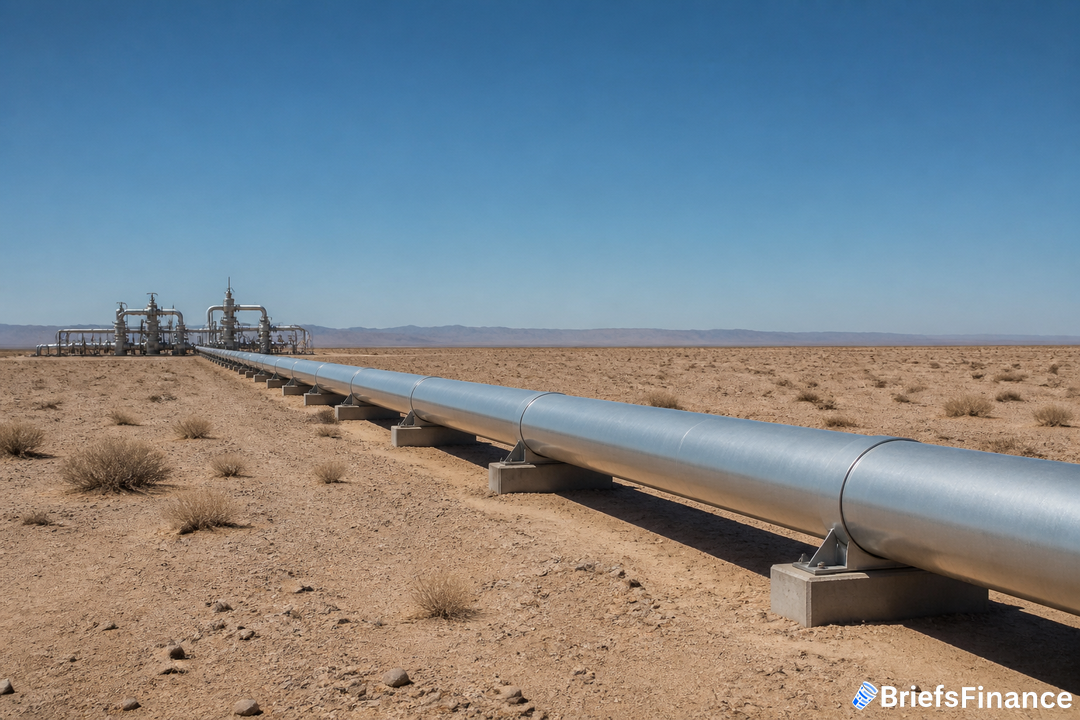
Saudi Arabia's East-West pipeline, damaged in attacks last week, is on track to restore about half its throughput in the coming days and return to full operations in six weeks, according to a person familiar with the situation. The line, which moves oil across the kingdom to its Red Sea coast, has been a crucial workaround to shipments that would otherwise pass through the Strait of Hormuz, a corridor still contested by Washington and Tehran.
How much crude and fuel is transiting Hormuz right now depends on who you ask. U.S. Energy Secretary Chris Wright told Fox Business that on one day earlier this week, a total of 18 million barrels of oil and petroleum products moved through, with the seven-day average at 11 million barrels a day. Clarksons Research pegs the daily rate closer to 8 million barrels.
Haris Khurshid, Karobaar Capital LP's chief investment officer, said, "I wouldn't call it an all-clear situation." "The market is getting some capacity back, but it isn't getting its margin for error back."
Energy supply changes remind investors to keep a steady plan for protecting their savings. Join Briefs Finance CEO Jaspreet Singh on September 29th for a FREE live investor workshop, How to Profit From A Dollar That's Losing its Value, where he shows how we're spotting investment opportunities as the dollar falls. Save your spot.
Politics, military strain, and policy moves
On Bloomberg's Balance of Power, Becca Wasser and Courtney McBride spoke with Kailey Leinz and Joe Mathieu about the costs tied to the US blockade against Iran, and about deployments stretching military readiness and resources.
Axios reports that President Donald Trump plans to meet with Persian Gulf leaders in New York next Tuesday during events surrounding the UN General Assembly, according to people familiar with the plan. At a campaign stop in North Carolina, Trump said, "The war will end 'very soon.'" He added, "We could have a deal any time we want."
In Washington, Congress finalized a bill granting Trump new power to levy tariffs on nations that purchase Russian petroleum products, potentially sweeping in buyers like China and India. The measure now goes to the president's desk. Ukrainian officials cheered the move as a signal of U.S. backing, while Kyiv has spent months hitting Russian refineries with waves of drone strikes.
Moscow has responded by banning most diesel exports to shore up domestic supply and is weighing an extension of the curb through October. U.S. retail prices for diesel have climbed to a record.
What this means for your wallet
Supply relief from Saudi Arabia helps, but the oil market still lacks slack, and policy risks are piling up. That mix can keep fuel volatile at the pump and in your utility bills, even if crude cools off on headlines. If you are watching your monthly budget, the shape of energy prices as winter approaches may matter more than any single day's oil move.
When headlines change, staying focused on preservation and growth helps your money work harder. Our CEO Jaspreet Singh is hosting a FREE live investor workshop, How to Profit From A Dollar That's Losing its Value, on September 29th. Sign up free to join him live.