What the bill would do
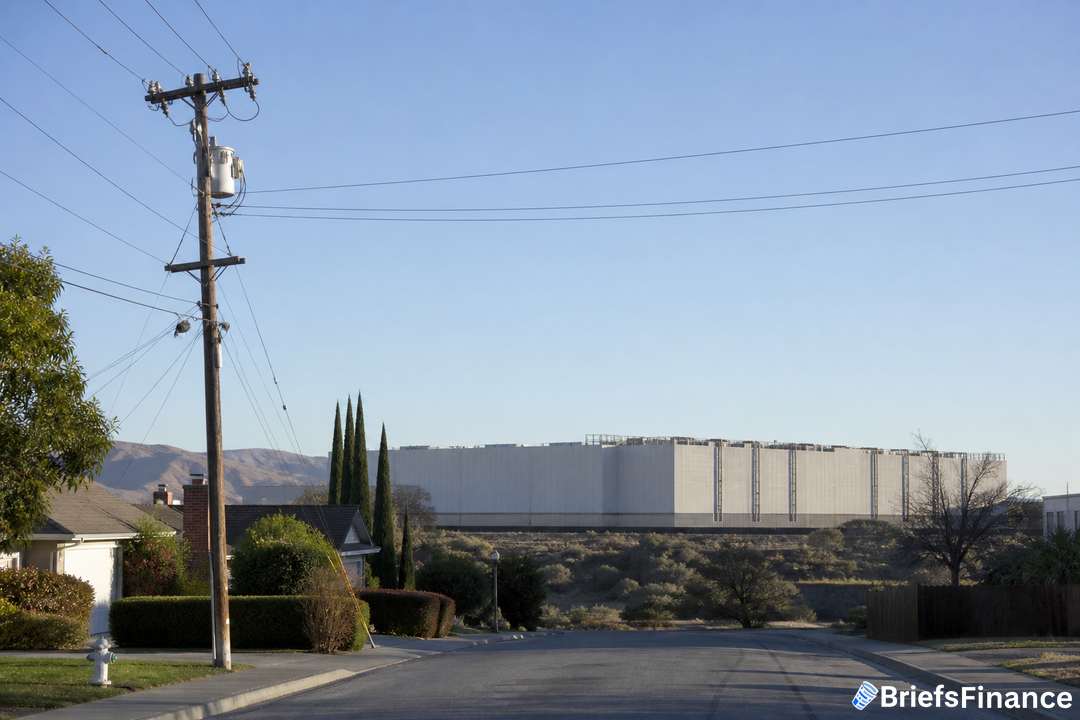
The core idea is straightforward: if you create the power demand, you cover the power buildout. The Ratepayer Protection Act lays out a voluntary framework for states so that very large AI data centers - those drawing at least 100 megawatts - would shoulder the costs of new power supply, transmission lines, and other grid upgrades instead of shifting them to households. It is billed as a first-ever federal template aimed at rate impacts from data center growth and would incorporate elements of the White House's "Ratepayer Protection Pledge," unveiled by President Donald Trump in March.
How it moved and who backed it
Speaker Mike Johnson brought the bill up using suspension of the rules, a fast-track procedure for broadly supported measures that needs a two-thirds vote. It easily cleared that threshold with broad bipartisan support. Only three members voted no: Reps. Summer Lee of Pennsylvania, Delia Ramirez of Illinois and Rashida Tlaib of Michigan. The Senate has yet to take it up.
Rep. Gabe Evans of Colorado introduced the measure in June with Rep. Kathy Castor of Florida. Both face tough reelection fights that the Cook Political Report with Amy Walter lists as toss ups. Evans put the case simply in a Monday op-ed: "The principle is commonsense: Those creating the new demand should be responsible for the costs associated with meeting that demand."
Politics, pressure and the pushback
Data centers have become a flashpoint heading into the 2026 elections, as communities across the political spectrum question their power needs and costs. States and local governments still control permitting, but this bill offers state-level guardrails to answer a top concern around proposed and operating sites: higher utility bills.
Several environmental organizations outside government circles objected.
Energy policy can affect household costs, so steady planning protects your savings. Join Briefs Finance CEO Jaspreet Singh on September 29th for a FREE live investor workshop, How to Profit From A Dollar That's Losing its Value, where he shows how we're spotting investment opportunities as the dollar falls. Save your spot.
House Minority Leader Hakeem Jeffries voiced support for the measure, characterizing it as "a step forward. [But] more clearly needs to be done." "Republicans have completely abandoned their responsibility to legislate and engage in public policy efforts in a responsible fashion in the area of artificial intelligence," Jeffries said.
After the vote, Johnson said the bill "guarantees hardworking American families won't foot the bill for the buildout of AI infrastructure - or see their energy costs rise to pay for it," adding, "Winning the AI race against China means winning here at home, but it can't come at families' expense, and this legislation strikes the right balance of protecting local communities while keeping America on the cutting edge of AI development."
The bigger backdrop
Washington is churning on AI beyond utility bills too. Sen. John Kennedy said Monday he plans to introduce an AI "kill switch" bill that would require companies to build a way to shut down rogue systems, according to Politico. Over the weekend, Johnson said on CNN that tech companies, not Congress, are responsible for ensuring product safety, a position that aligns with the White House.
On Tuesday, White House National Economic Council Director Kevin Hassett told CNBC the private sector is capable of managing risks from rapidly advancing AI. Meanwhile, a former Anthropic employee's resignation and public warnings last week added to the urgency around AI oversight.
If data center growth is hiking local energy demand where you live, this bill aims to keep the tab off your monthly bill by shifting big-ticket grid costs to the companies that need the power. Whether your state adopts the model will shape where facilities get built, how fast they scale, and who pays for the upgrades.
When infrastructure decisions touch costs, patient investors focus on preserving and growing capital. Our CEO Jaspreet Singh is hosting a FREE live investor workshop, How to Profit From A Dollar That's Losing its Value, on September 29th. Sign up free to join him live.