What changed Tuesday
Canada activated retaliatory tariffs/) after last month's talks with Washington fell apart. Officials on both sides pointed fingers over why no agreement materialized and publicly clashed over the sticking points, while the broader relationship continues to sour.
What is getting hit
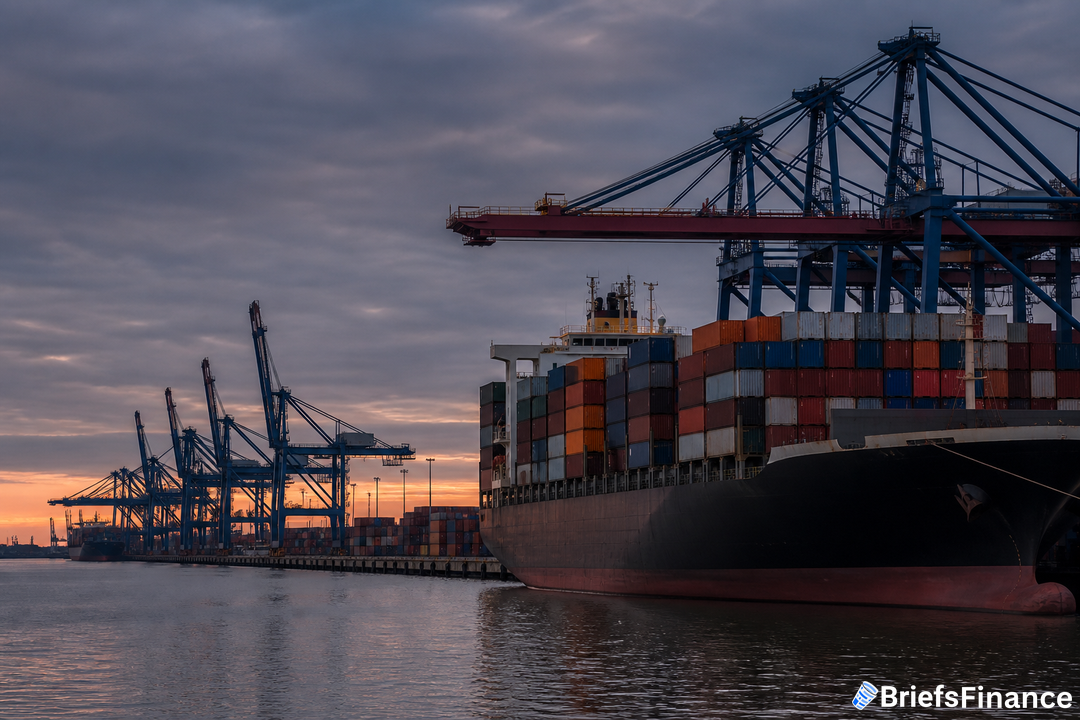
The new measures cover a wide list of American goods valued at $27.6 billion, with duty rates ranging from 15% to 50%. Canada raised duties on shipments of U.S. steel, aluminum, and iron, increasing them twofold to 50%. Items facing the top rate include furniture, motorcycles, clothing, and select beauty items. Other categories named include dairy products, farm machinery, paper, home appliances, and electronics.
Ottawa framed the move as a "dollar for dollar" answer to U.S. Section 338 levies. The Department of Finance said the approach aims to shield Canadian workers, producers, and manufacturers by helping them compete more effectively against U.S. goods sold in Canada. Existing countermeasures remain in place too, including a 25% tariff on the politically sensitive autos sector.
Policy shifts remind investors to review strategies to protect and grow their savings. Join Briefs Finance CEO Jaspreet Singh on September 29th for a FREE live investor workshop, How to Profit From A Dollar That's Losing its Value, where he shows how we're spotting investment opportunities as the dollar falls. Save your spot.
Politics, trade flows, and support measures
Tensions escalated further Monday when U.S. President Donald Trump urged a boycott of Canadian plane maker Bombardier, posting on Truth Social: "NO MORE SELLING BOMBARDIER IN THE UNITED STATES!"
The United States shipped $333.6 billion in goods to Canada and bought $381.9 billion from its neighbor. Their commerce is concentrated in overlapping sectors: energy, vehicles, heavy machinery, aircraft, pharmaceuticals, gemstones and jewelry, home furnishings, apparel, and a broad array of foods and beverages.
Ottawa announced a $7.5 billion package last month for businesses and workers, extending an existing $25 billion program launched in response to the United States' global tariff campaign that began in April 2025. Economists note the targeted lines are a modest share of total trade, but warn small and mid-sized firms in the hardest-hit sectors could take a sharp hit. Separately, Mark Carney said Canada will resume talks "when the Americans are ready."
What it means for your wallet
Tariffs rarely stay confined to spreadsheets. They tend to work their way into prices for things like appliances, electronics, and some food items, and they can squeeze smaller suppliers that have fewer ways to absorb extra costs. If you buy from brands that source across the border, expect more price tags to come with a story attached.
Adapting to change calmly helps preserve wealth and pursue steady long term gains. Our CEO Jaspreet Singh is hosting a FREE live investor workshop, How to Profit From A Dollar That's Losing its Value, on September 29th. Sign up free to join him live.