What pushed prices higher
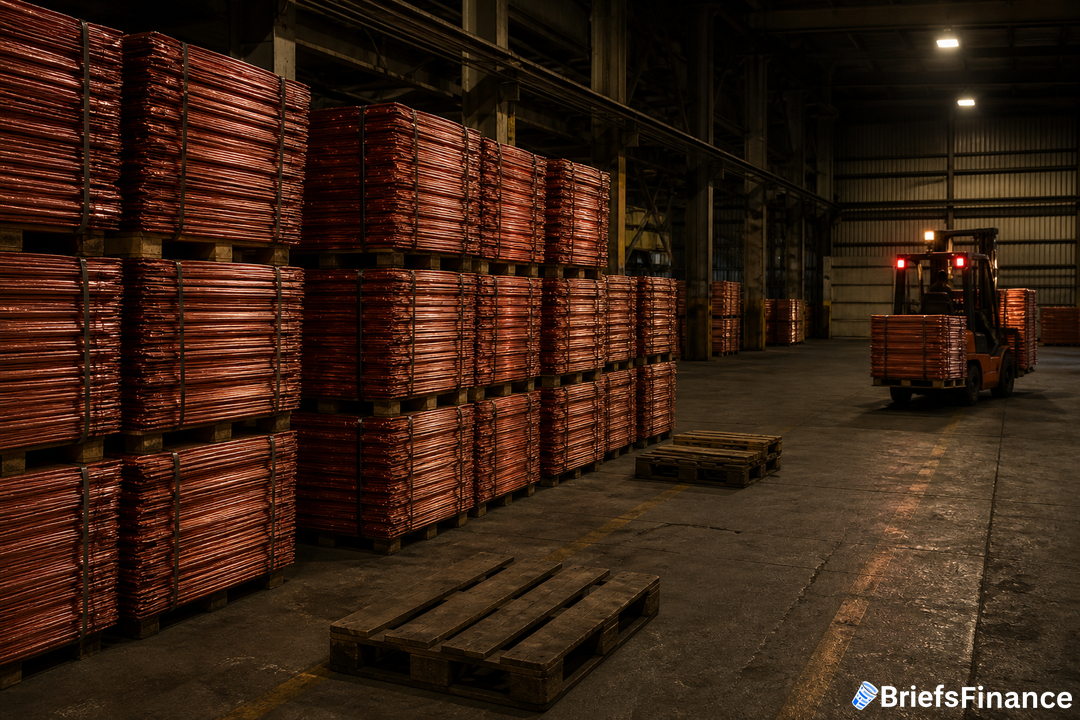
Copper has been rising for over a year, and in early September it momentarily changed hands on the London Metal Exchange at levels above $14,600 per metric ton. The big, durable story is robust future demand from cleaner energy and the buildout of AI data centers, while miners struggle to expand supply. The day-to-day action is more about scarce inventory than a burst in end use.
While high prices can nudge buyers toward substitutes, that has not meaningfully slowed copper's rise so far. Analysts note mine setbacks from Chile to Indonesia and the difficulty of building or expanding projects, raising the risk that global mined output could decline this year unless production rebounds later on. With new deposits taking more than 15 years on average to move from discovery to output, supply risks linger.
How US trade moves created a global squeeze
After a national-security investigation, the Commerce Department urged imposing a 15% duty on refined copper beginning in 2027, with the rate increasing to 30% in 2028. When duties were announced last year, refined metal was spared; instead, a 50% levy was placed on semi-finished copper products and on derivative products. The president also ordered the Commerce Department to complete, by the end of June, an assessment of whether refined copper tariffs remained justified, yet no decision was made public. The continuing possibility of duties has kept the New York-London arbitrage attractive and pulled more material to US ports, tightening availability elsewhere and drawing down London Metal Exchange stocks.
Tightness showed up in London spreads as spot prices jumped over futures, with the cash-to-three-month gap topping $500 in mid-August, the widest since 2021. Some of the squeeze briefly eased as traders delivered metal into LME warehouses, only to be followed by a large withdrawal request that drove readily available inventories back toward thin levels.
Shifting supply signals remind investors to protect savings and seek steady growth. Join Briefs Finance CEO Jaspreet Singh on September 29th for a FREE live investor workshop, How to Profit From A Dollar That's Losing its Value, where he shows how we're spotting investment opportunities as the dollar falls. Save your spot.
What the stockpile means next
By early September, official Comex stocks had swelled to eight times their level at the beginning of last year, exceeding 750,000 short tons, and figures that count off‑exchange material place the US total at well above 1 million metric tons. A decision to proceed with refined-copper tariffs could trigger a last wave of imports before any levies begin, while shelving the proposal could flip trade flows as positions are unwound. Even without new duties, some expect a sizable US stockpile to persist as companies and the government seek to shield manufacturers from scarce supply and price swings. The administration's plan for a $12 billion critical-minerals reserve, known as Project Vault, reinforces that posture, though how much would be earmarked for copper is unclear.
China, the largest consumer, imported more refined copper earlier this year amid tight concentrate and scrap, adding to price momentum. Its demand is expected to firm as manufacturing enters a seasonal upturn.
Simple, disciplined choices help your money weather change and build resilience. Our CEO Jaspreet Singh is hosting a FREE live investor workshop, How to Profit From A Dollar That's Losing its Value, on September 29th. Sign up free to join him live.