What happened
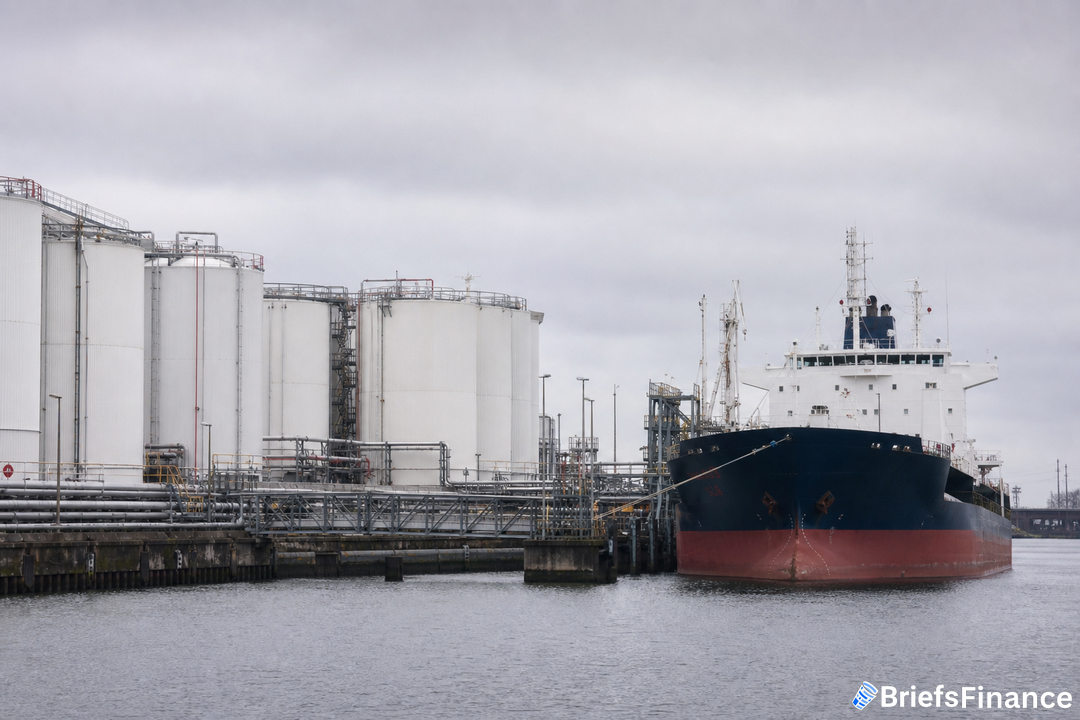
China has allowed an outbound shipment of sulfuric acid for the first time since May, even as the export curb remains. Shipping data from Kpler shows a vessel departed Nanjing in late August carrying 32,000 tons, with Kpler chemicals analyst Ankit Dhar expecting it to reach Chile's Mejillones by the end of September.
Why it matters for copper
Acid prices shot higher after the Iran conflict, when shipping through the Strait of Hormuz was largely shut, choking off sulfur shipments from the Middle East. That region produces about one third of the world's sulfur, the feedstock used to make sulfuric acid, which is essential for some copper leaching and for phosphate fertilizers.
The squeeze has pinched copper producers in Chile, the Democratic Republic of Congo and Zambia, who rely on imported acid and were hit by the price surge. China moved in May to stop exporting acid to keep fertilizer makers well supplied at home. According to Acuity Commodities, domestic acid prices topped out in July and have drifted lower since the main planting season ended.
Practical investing habits help protect and grow your savings through changing conditions. Join Briefs Finance CEO Jaspreet Singh on September 29th for a FREE live investor workshop, How to Profit From A Dollar That's Losing its Value, where he shows how we're spotting investment opportunities as the dollar falls. Save your spot.
The deal and the limits
Acuity Commodities says the August cargo likely reflects a swap between a miner and a smelter, trading scarce acid for pricey copper concentrates. "This is seen as a mutually beneficial arrangement for the two parties amid tight supplies of both copper concentrates and sulfuric acid globally," said Freda Gordon of Acuity Commodities. She said local authorities permitted certain Chinese smelters to swap acid for concentrates, and a few more shipments could occur this year.
These are still exceptional cases. The acid in these deals is restricted from resale, and the ban on exports still applies.
What this means for your portfolio
One cargo does not fix a global shortage, but it shows Beijing can relieve pressure at the margins without reopening the export tap. If a few more swaps go ahead, tightness could ease slightly in copper hubs like Chile. Big picture, the restriction is still on, supplies of both acid and concentrates are tight, and that can feed into copper costs and project timelines.
A steady plan lets you respond calmly and keep your wealth on course. Our CEO Jaspreet Singh is hosting a FREE live investor workshop, How to Profit From A Dollar That's Losing its Value, on September 29th. Sign up free to join him live.