What Thailand's Millers Are Bracing For
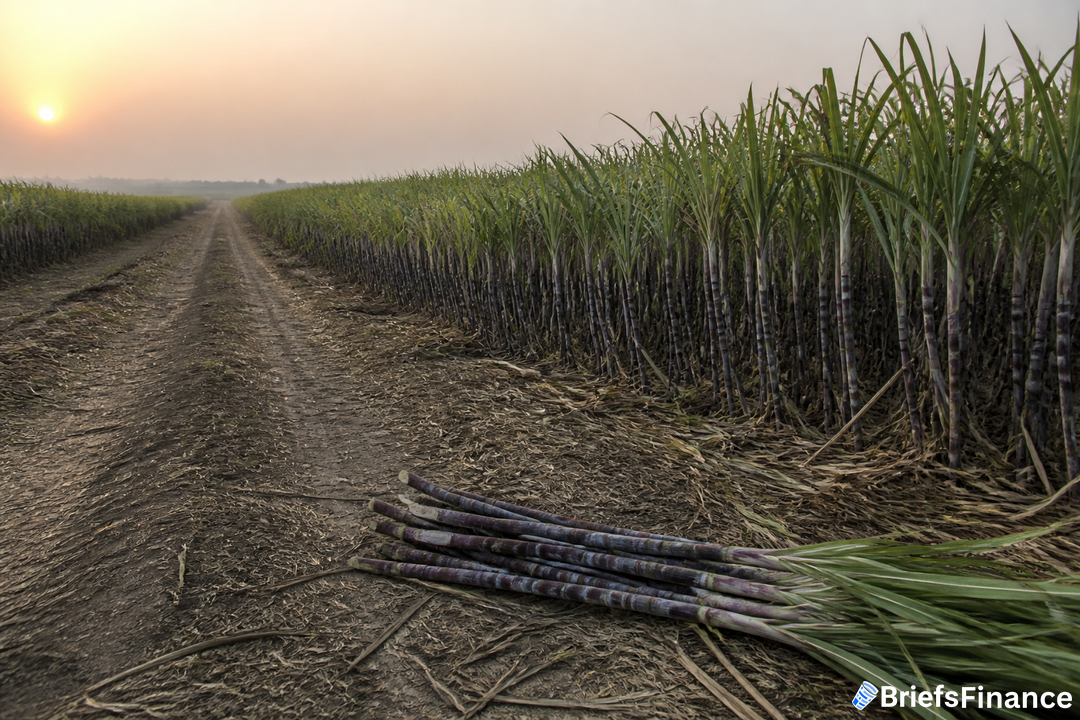
Rangsit Hiangrat, director of Thai Sugar Millers Corp., stated that in the 2026-27 season beginning in October, sugar production could decline by no less than 17%, with output likely under 10 million tons. By contrast, the previous season produced 12 million tons. Thailand's sugar output peaked at more than 14.5 million tons in both 2017-18 and 2018-19. Since then it has run lower and tends to hover around 10 million tons, which Hiangrat said is typically produced from roughly 90 to 100 million tons of sugarcane.
Dryness, Crop Switching, and Regional Pressure
El Niño is intensifying, a pattern that often brings parched conditions to big swaths of South and Southeast Asia. Hiangrat said that rainfall has been weaker this year in Thailand's northeast - a region responsible for about 45% of the country's sugar production - than elsewhere. He also said relatively stronger cassava prices could entice some farmers to shift acreage away from sugarcane.
Markets move every day, and most of it never reaches you in time. Get the free Market Briefs daily newsletter and stay ahead of it.
Prices Are Reacting. Should You?
The International Sugar Organization projects a worldwide deficit of about 260,000 tons for the coming season, attributing it to El Niño's impact on Asian crops. Futures in New York climbed more than 20% last month, the biggest monthly surge since 2010. Put together, thinner Thai supply, potential crop switching, and a globally tighter balance help explain why prices are moving. If sugar is a line item in your grocery list or your business costs, this is the backdrop behind what you are starting to pay.