The Nuclear Plant
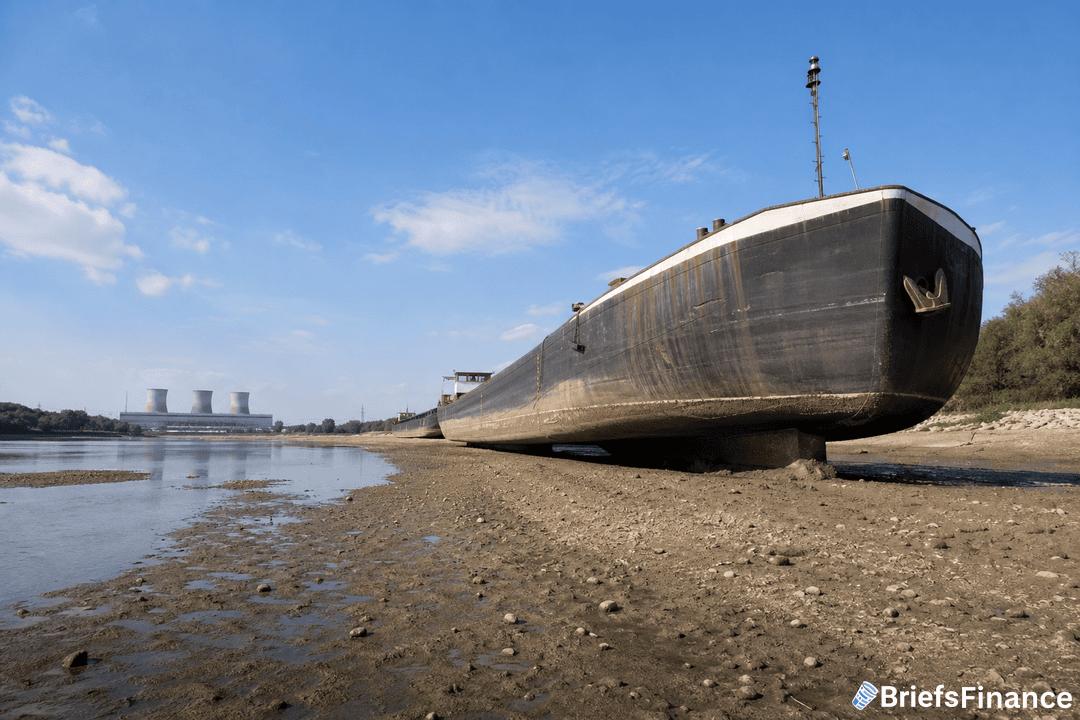
The Danube, one of Europe's most important waterways, is running dangerously low. A prolonged drought has reduced the river to levels not seen in decades. This is not just an environmental issue; it has direct consequences for trade and energy across the continent.
The river is a vital corridor for moving goods in the region. When water levels fall, shallow stretches become impassable for heavily loaded barges, forcing shippers to seek costlier alternatives. Because the same river also provides cooling water and hydropower, low levels can affect energy generation as well as trade.
In Romania, the Cernavoda nuclear plant, which supplies about a fifth of the country's electricity, was forced to shut down both of its reactors. The first went offline in late July, and the second followed soon after, because the cooling-water intake fell below safe levels. Additionally, the upstream hydropower company Hidroelectrica will release an extra 50 cubic meters of water each second for five days to help raise the river level.
These measures are meant to keep the plant operational and prevent power shortages. If the plant cannot run at full capacity, Romania may have to turn to more expensive alternatives like natural gas, which could push up electricity prices for consumers and businesses.
When shipping delays pinch your wallet, grab the free Always Be Buying E-Book to keep building wealth.
Shipping Disruptions
The low water is also crippling river transport. Barges that carry grain, fertilizers, and other bulk goods are unable to pass through shallow sections. Many are forced to reduce their loads, which means fewer goods moving and higher costs per shipment.
This is slowing deliveries and driving up prices for consumers and businesses alike. The Danube is a key route for agricultural exports from the region, so the disruption has far-reaching effects. Some shippers have switched to rail or truck, but these alternatives are more expensive and less efficient for heavy cargo.
The cost of moving goods by barge has risen sharply, and these increases are likely to be passed on to end customers.
Global Pressures
The situation is compounded by problems elsewhere. Global shipping is already facing delays because of attacks in the Red Sea, forcing vessels to take longer routes. These longer journeys increase fuel costs and transit times.
Combined with the Danube's troubles, supply chains are under significant strain. The result is a squeeze on global trade that could push up prices for everything from food to manufactured goods.
What It Means for Investors
For investors, these disruptions highlight the fragility of global logistics. Weather-related events are becoming more frequent, and their impact on shipping and energy can be sudden and severe. However, history shows that markets eventually adjust, and long-term investors who stay the course tend to benefit.
The key is to maintain a consistent investment strategy rather than reacting to short-term volatility. A disciplined approach, such as regular investing, can smooth out the bumps caused by such events.
Supply chain snarls remind us to invest consistently, so get the Always Be Buying E-Book now.