Tankers Are Hiding Where They're Going
To dodge Houthi attacks, more crude carriers headed for Saudi loading points in the Red Sea are now declaring Egypt or the Suez Canal as their destination instead of Saudi harbors.
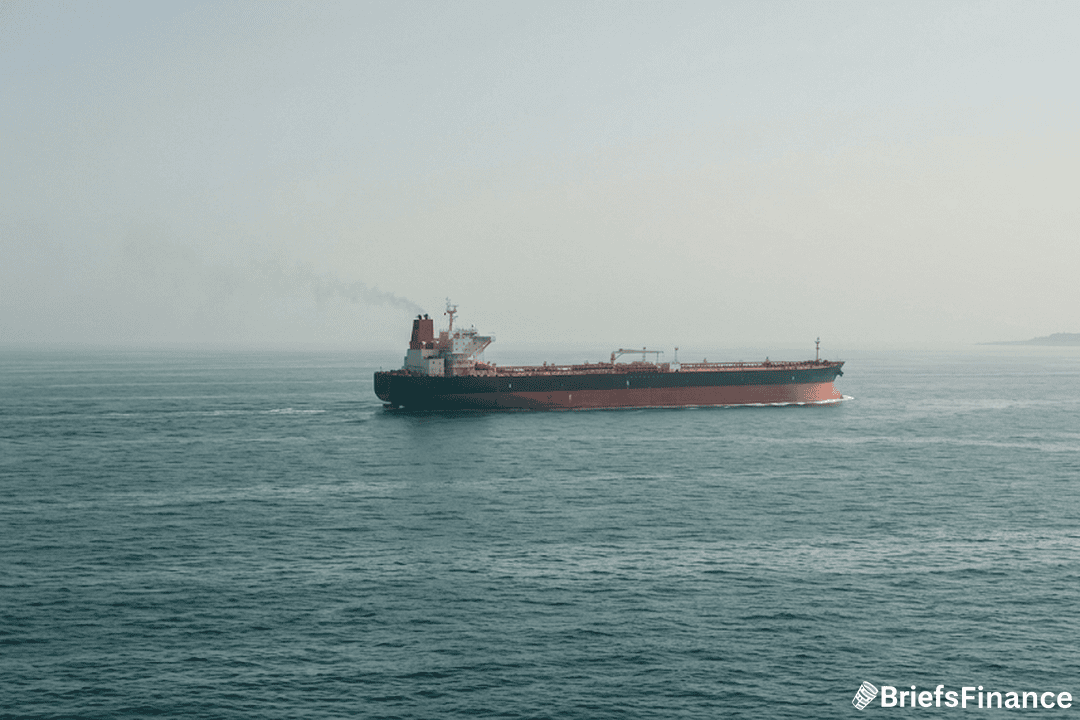
The Sea Majesty is a case in point. When the vessel arrived at the Suez Canal this week, its draft - how deep a ship sits in the water - indicated it had taken on crude inside the Red Sea while sailing dark, or with transponders off.
At no point did the vessel indicate Saudi Arabia as a destination. Instead, it showed Egypt's Ain Sukhna as its destination, and both Vortexa Ltd. and Kpler, firms that track oil cargoes, said the crude came from Yanbu.
Yanbu is one of two major Red Sea oil-export terminals. The other is Sudan's Bashayer port, which usually loads large shipments only rarely.
The Red Sea Route and the Saudi Workaround
That workaround matters because the canal is the vital passage for oil heading to Europe and Asia, and Ain Sukhna's tanks and pipelines feed into it. Saudi Arabia has already shifted some loading toward safer exit points, a sign of how much the threat has changed its shipping patterns. The Houthis, though, have signaled they intend to push their campaign farther north, which would put that fallback route under direct pressure.
Get the free Always Be Buying eBook and learn the simple system for building wealth on any income
The Houthis are an Iranian-backed force based in Yemen, and their campaign now includes a declared blockade of Saudi ports. That blockade and this week's threat against Saudi-linked ships in the northern Red Sea have pushed shippers to use tactics such as hiding destinations and turning off transponders.
Why Ships Are Pointing to Egypt
The disguise is a direct response to the Houthis, who in late July declared a blockade of Saudi ports and attacked vessels tied to the kingdom.
This week they said they would extend their campaign to target Saudi-linked ships in the Red Sea's northern part, where Aramco, Saudi Arabia's state oil company, has moved more cargoes for safer exit. With attacks mounting near the Strait of Hormuz and in Red Sea waters, more shippers are hiding their movements and destinations.
Ain Sukhna handles cargoes from Russian crude to consumer goods, and shippers consider it less likely to draw a Houthi attack.
By rerouting crude to Ain Sukhna and Sidi Kerir, both farther from the Houthis' base in Yemen, the kingdom has sustained exports so far. Whether these ports will remain safe as Iranian-backed groups expand their reach is unclear as of August 7, 2026.
The Sea Majesty is not the only one. The Maran Thetis went quiet in late July near the Gulf of Aden, with the canal listed as its destination, and when it reappeared on Wednesday, it was fully loaded, with Vortexa saying the cargo came from Yanbu.
Earlier, the Front Empire and DHT Gazelle loaded in the Red Sea without transmitting, then reappeared on tracking services and passed through the Suez Canal. They probably loaded at Yanbu.
What It Means for Your Portfolio
So far, the reroute is working. Saudi exports are still moving, and the oil is reaching the market through Egyptian ports that the Houthis have not yet seriously gone after.
But the whole strategy depends on those ports staying safe. If their reach extends to Ain Sukhna or Sidi Kerir, the workaround that keeps Saudi oil flowing could suddenly become a lot messier.
For investors, the takeaway is not that the world is running out of oil. It is that a major exporter has to hide its own shipments just to keep them moving.
That kind of friction can echo beyond shipping, because when a country that pumps as much as Saudi Arabia has to disguise its own exports, the world's oil route gets a little less reliable. For your money, it is a reminder that the price of oil is not just about supply and demand; it is also about whether the supply can actually get where it needs to go.
Download the free Always Be Buying eBook and start putting your money to work today