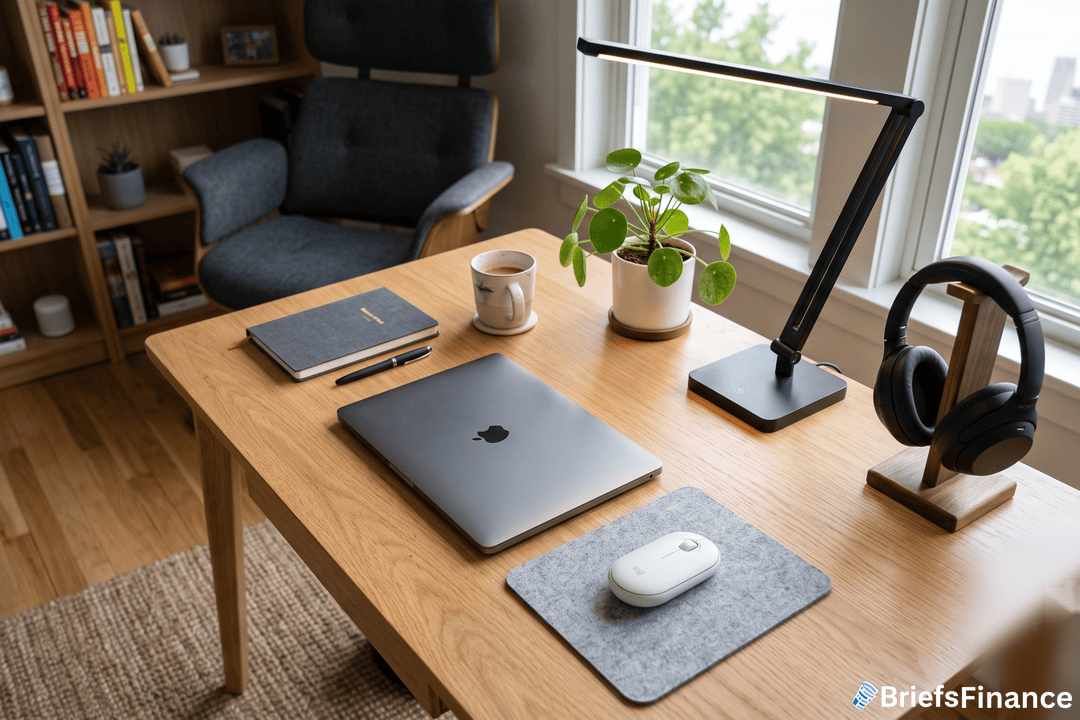
Even as companies push harder for workers to return, the share of Americans working from home actually rose in 2025. According to the American Time Use Survey conducted by the Bureau of Labor Statistics, 35% of U.S. employees worked remotely at least some of the time in 2025, a two-point increase from the previous year. That sets up a clear tension: bosses want bodies back, but employees are holding onto flexibility.
These numbers underscore a persistent standoff between employers and employees. While many companies have implemented return-to-office policies, the data shows that a significant portion of the workforce continues to work remotely at least part of the time. The Randstad survey highlights the perceived cost: 81% of employers believe remote or hybrid work hinders team collaboration.
Yet employees value flexibility, and 48% say the office environment actually boosts their productivity. This split suggests that one-size-fits-all policies may not work, and organizations will need to tailor hybrid models to both business needs and individual preferences.
The Numbers Tell a Story
The new figures come from the BLS American Time Use Survey, a government measure of how Americans spend their day. The survey relies on a large, representative sample of U.S. residents, making it a trusted benchmark for understanding work patterns across the economy.
Get your free investing masterclass bonus when you join Market Briefs, our free daily newsletter
Claim your free investing masterclass bonus when you join our daily newsletter.
The Collaboration vs. Productivity Divide
A separate global survey by staffing firm Randstad adds another layer. They polled over 27,000 workers for their 2026 Workmonitor report. The results show a split between what managers and employees see.
Why Flexibility Wins
Workers continue to put a high value on flexibility and autonomy. Even in a tight labor market - where jobs are still plentiful - people want control over their schedules. When employers demand a full return, many employees push back. The result is often a hybrid arrangement, with some days in the office and some at home.
The data suggests there is no single answer that fits every worker. Some employees find the office boosts their focus, while others are most productive in a home setting. For companies, blending these preferences often means designing hybrid schedules that require clear communication and trust.
Sander van't Noordende, CEO of Randstad, summed it up: "Traditional career goals are changing, with talent and organizations thinking with greater flexibility about what success looks like. However, human connection remains core to organizations." That balance is the central challenge.
Worth Noting
Looking ahead, workers are likely to keep prioritizing flexibility over a standard in-office routine. For companies, finding the right mix between giving employees freedom and keeping teams connected will remain a key struggle. This trend has broader implications for commercial real estate, commuting patterns, and technology investments, as businesses and investors adjust to a permanently altered work landscape. Don't miss out on the investing masterclass bonus - it's free when you subscribe.
Subscribe to Market Briefs, our free daily newsletter, and claim your bonus investing masterclass