Why the Review Happened Early
Carmakers wanted a chance to reset the pace of Britain's electric-car rollout, and they got it.
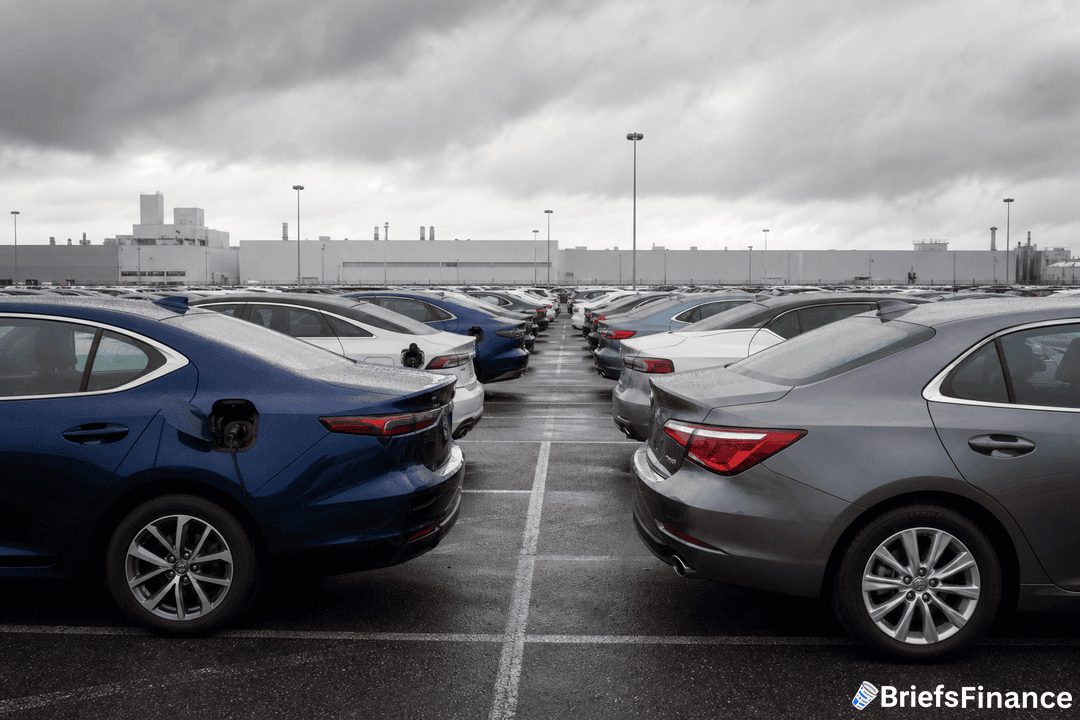
On August 14, 2026, the government announced it would begin a review of its zero-emission vehicle sales targets. Under the mandate, automakers must hit rising annual quotas for fully electric cars, with penalties that can reach £12,000 ($16,200) per vehicle when they fall short. Hybrids, meanwhile, can keep selling through 2035.
The big picture, the plan to effectively ban new combustion-engine cars by 2030, is not moving. What moved is the timeline for reviewing that mandate. It was scheduled for 2027, but automakers pressed Prime Minister Andy Burnham to bring it forward, and the early consultation counts as a win for the industry.
"The end goal hasn't changed, but we need to take business with us on the journey," Transport Secretary Heidi Alexander said.
The Numbers Behind the Case
The sales data explains why carmakers asked for more room.
The industry group the SMMT says fully electric cars have taken almost 28% of new UK car sales so far this year. That is roughly the same as the major EU markets, but it is still below the existing UK target of 33%.
The gap is the problem. The SMMT believes the goals are running ahead of what buyers actually want.
When policy shifts change the game for automakers, your investing plan shouldn't waver, so get the free Always Be Buying eBook.
"Current consumer demand, so this review is a timely opportunity to optimize the pace of change," said SMMT chief executive Mike Hawes.
He also warns the quota created heavy discounts that are not sustainable. Automakers have been cutting prices, hard, to force electric models through the door, which works for a few months but not as a long-term plan.
The EU made a similar calculation in December. Instead of a full phase-out, its proposed 2035 plan would require a 90% cut in tailpipe emissions, keeping the end goal but softening the final push.
What the Review Will Consider
The review is an audit of the entire system. It will decide whether the targets need to be adjusted after weaker-than-expected demand.
That's not just an accounting detail. The EV industry is split over what to wish for. Delvin Lanaya, the chief executive of the charging company InstaVolt, says easing the rules too quickly risks the wrong kinds of money:
"Softening the mandate at this stage risks spooking the private capital that's been building the infrastructure this transition depends on."
Gurjeet Grewal, who runs Octopus Electric Vehicles, says lighter rules would make signals for customers just as prices quickly get better. "It could send the wrong signal," he said, "just as EVs are becoming some of the best-value cars on the road."
The industry, however, has to live with the costs of the rule. The north of England is home to a cluster of car factories and the sector's manufacturing jobs count in the tens of thousands. Nissan's Sunderland plant, the UK's largest, is discussing way to work with China's Chery Automobile, and the high costs of the plant, so forcing a slower roll-out could be a survival issue.
What It Means for Your Money
The review is not about whether Britain goes greener. The 2030 destination stays. It's about how fast the movement is allowed to go.
For buyers, that speed matters because clear prices come partly from mandates. Discounts can turn smaller if carmakers lose the pressure. For investors, the distance between the actual 28% and the target of 33% is the true battleground, and the policy maker now has to decide how much of that gap to eliminate.
An easy to run a fleet of companies that build charge points, batteries, and car plants, all of which have made a lot of assumptions about a fast-rate future. The mandate change will tuft those assumptions.
So think of the consultation as a honesty test. The promise is still there, but the UK is asking whether the journey needs more time and more room to maneuver. A big, green push needs a tough goal, but it also needs a story that doesn't break the people assigned to carry it.
Policy reviews may come and go, but the habit of buying consistently builds wealth, so get the free Always Be Buying eBook.