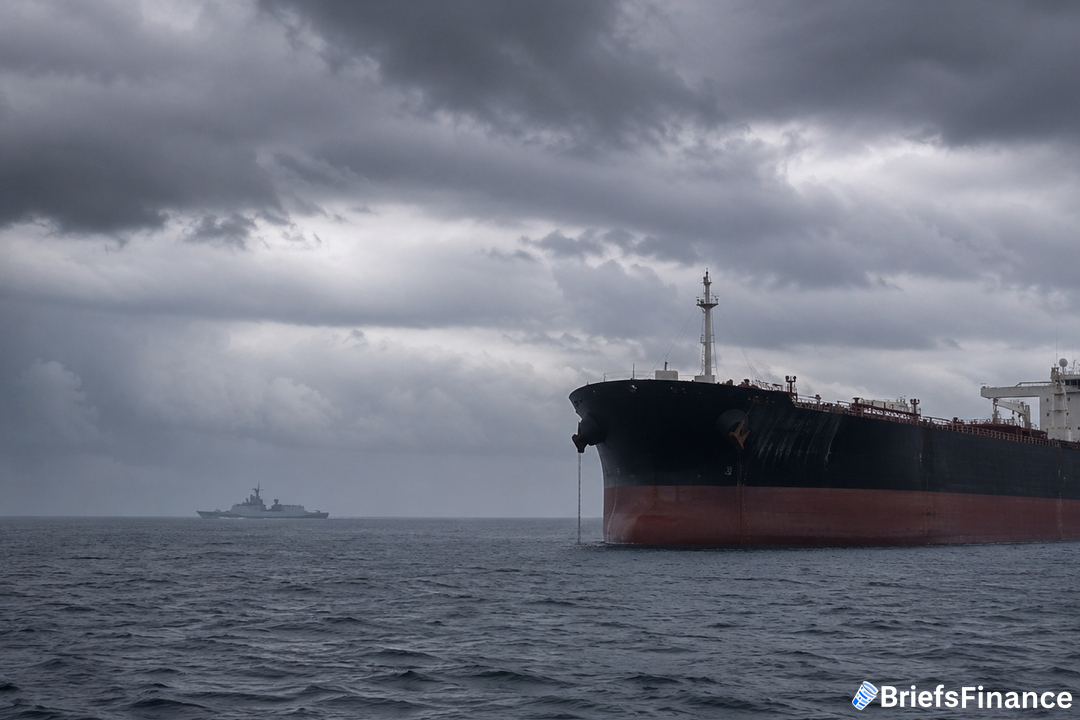
Why the Fighting Won't End Soon
The conflict between the U.S. and Iran that started this February is looking like it will stretch on for several more months. The core problem is simple: neither side is willing to give ground on control of the Strait of Hormuz.
Iran wants the right to manage ships passing through the strait and to charge fees. It sees that power as both a bargaining chip and a national security tool. The U.S. wants Iran to give up that control entirely.
After an interim agreement in June set up 60 days of negotiations, those talks have not resolved the deadlock. The result is a low-level military fight that keeps grinding along.
House Speaker Mike Johnson summed up the frustration with a blunt line: "We got to wrap it up." President Trump, meanwhile, said he had "plenty of time" when asked about his patience with Iran. White House spokeswoman Anna Kelly dismissed speculation from unnamed sources, saying their comments "should be discarded as mere speculation."
Get the market news that matters in a five-minute read with Market Briefs, our free daily newsletter
What the Stalemate Means for Oil
The numbers tell the real story. When that traffic gets disrupted, prices go up - and so does the pressure on everyone who pays at the pump.
The U.S. has tried to blunt the impact by drawing down its Strategic Petroleum Reserve.
Despite being battered militarily since the conflict began, Iranian authorities believe they can withstand a U.S. naval blockade for an extended period. Iran's leadership is convinced that Trump is unlikely to carry out the major escalation he has frequently warned about, given Tehran's capacity to seriously harm Gulf Arab nations and his concern over further increases in oil and fuel costs. The U.S. has also used up significant numbers of sophisticated weaponry, including air-defense missiles.
Diplomatic Efforts Have Hit a Wall
Oman has tried to broker a short-term deal that would allow more ships through the strait and restart formal peace talks. Those efforts have stalled because Iran insists on sole control over any vessel entering the Persian Gulf. Gulf Arab states and Pakistan are trying to calm tensions, but so far no breakthrough has emerged.
Indirect talks are still happening, and they are progressing slowly. But analysts at Bloomberg Economics, Dina Esfandiary and Becca Wasser, are not optimistic about a quick fix. "A return to long-term stability won't come anytime soon," they said.
The bottom line: A diplomatic deal may eventually come together from those back-channel conversations, but investors should not hold their breath for something soon. The conflict is likely to drag on at a low level for months.
Join Market Briefs, our free daily newsletter, for a quick daily rundown of the markets