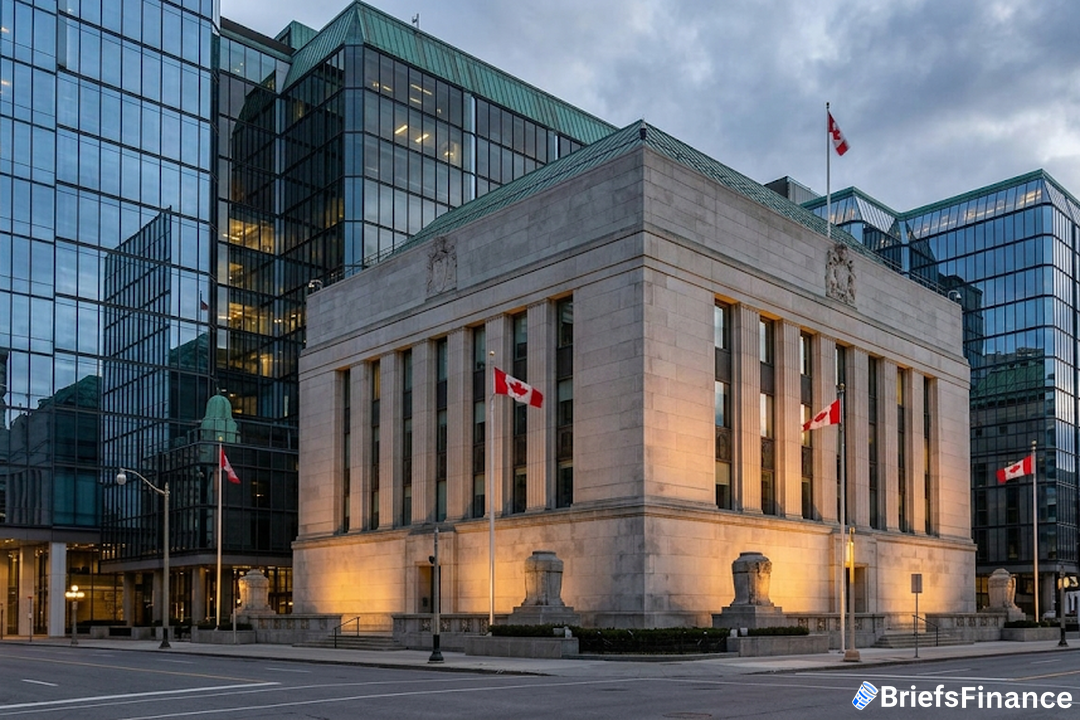
The Decision: More Waiting and Watching
The central bank forecasts that the economy will expand by 0.7% this year, rising to 1.8% by 2027 and maintaining that pace in 2028.
Council members concurred that the "trade-off facing monetary policy had diminished," and they expressed growing assurance that the economic expansion would pick up in the latter part of this year. According to the bank's policymakers, the existing interest rate level is "appropriate for sustaining the economic recovery and bringing inflation back to target."
But underneath that calm surface, the room was split.
The Split: Can This Recovery Last?
Not everyone on the governing council is sold on the recovery story. Some members questioned whether the economy's rebound is "sustainable beyond the near term." The governing council concurred that careful observation of incoming data is necessary to detect whether the recovery is becoming more widespread.
Get the market news that matters in a five-minute read with Market Briefs, our free daily newsletter
On the other side, a different group had a different worry. Some officials pointed to "signs of upward drift in medium-term inflation expectations."
Another topic of discussion was how much the high energy prices stemming from the Middle East situation are spilling over into other sectors. Policymakers noted that excess capacity and "slow growth in unit labor costs" are keeping service price increases in check, while slower population growth has tempered rent inflation.
So you have one group worried the economy will stall, and another worried inflation will heat up again. That tension explains why the bank is happy to just sit on its hands for now.
The backdrop for this decision includes a series of earlier rate hikes that brought the policy rate from near zero to 2.25%, as well as ongoing trade disputes and geopolitical risks that could alter the economic outlook. The bank's cautious stance reflects the difficulty of predicting how these forces will play out.
These moves were aimed at curbing inflation that had surged after the pandemic. However, the economic landscape has since shifted, with growth slowing and trade uncertainties mounting. The bank's wait-and-see approach underscores the delicate balance between supporting the recovery and preventing inflation from reigniting.
What Comes Next and What It Means for Your Portfolio
The message is basically: we will wait and see.
But here is the catch. After the bank made this decision, two big things happened. U.S. President Donald Trump announced new tariff threats on Canadian products, and tensions between the United States and Iran have worsened in the period following the rate announcement. Neither of those was factored into the rate call.
Nevertheless, the central bank's statements indicate it remains at ease with keeping rates unchanged.
The bottom line: borrowing costs are stuck for now, and the central bank is not tipping its hand. Watch for signs of broader growth or rising inflation expectations in the months ahead. Those will decide whether the next rate change is a cut or a hike.
Join Market Briefs, our free daily newsletter, for a quick daily rundown of the markets