The Outbreak by the Numbers
The national picture is murkier. Those numbers will almost certainly rise. It takes time between when someone gets sick and when the case shows up in federal records. State tallies often come in ahead of CDC counts because of the delay between people getting sick and the official reporting of those illnesses.
Nationally, the CDC reports over 6,700 confirmed cyclosporiasis cases, and officials note an additional 11,500 suspected infections awaiting verification.
Health Expert Discusses Cyclospora Risks
5:40 WATCH: Dr. William Schaffner from Vanderbilt University Medical Center explains the key details of the Cyclospora outbreak.
Get the market news that matters in a five-minute read with Market Briefs, our free daily newsletter
People typically contract Cyclospora cayetanensis, a tiny parasite, by consuming contaminated food or water. Dr. William Schaffner from Vanderbilt University Medical Center said, "Symptoms such as watery diarrhea, loss of appetite, and fatigue often appear about a week after exposure." For additional prevention tips, see our guide on avoiding the diarrheal parasite.
Michigan's aggressive case tracking explains why its count is the highest in the nation. The current outbreak, which began in May, has affected 45 states and is one of the largest Cyclospora outbreaks in recent U.S. history. Given the parasite's ability to survive on produce and the challenges of identifying contaminated batches, public health officials emphasize thorough washing of all raw vegetables and fruits. Consumers are advised to seek medical attention if they experience persistent gastrointestinal symptoms after consuming raw produce, as early diagnosis can aid in treatment and reporting.
Diagnosing Cyclospora requires specialized stool tests, which can lead to underreporting. The CDC recommends that doctors test individuals with ongoing diarrhea who have consumed uncooked vegetables and fruits. Cyclospora infections often go undetected because standard stool exams do not pick up the parasite; only targeted testing can confirm it.
This contributes to a gap between confirmed cases and the true number of illnesses. The outbreak also underscores the difficulties in linking cases to a common source across multiple states.
Cyclospora outbreaks have historically been linked to fresh produce imported from regions where the parasite is endemic. The current outbreak's scale highlights the challenges of tracing contamination across the supply chain, especially given the parasite's resilience on raw vegetables and fruits.
Which Companies Are Caught In It
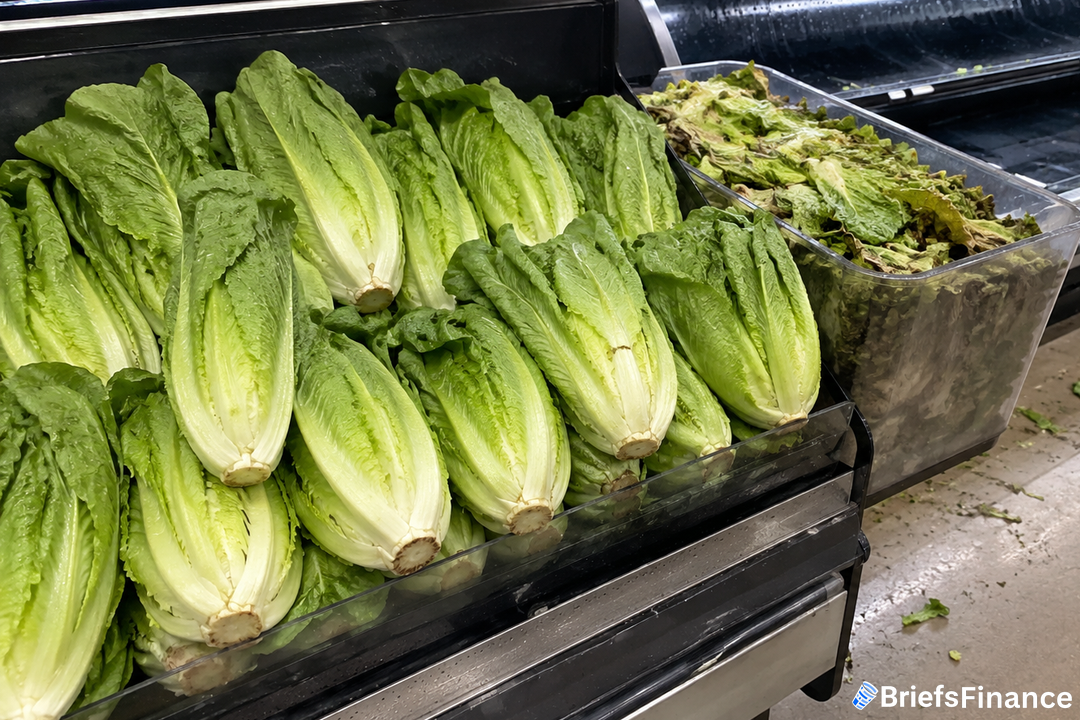
The outbreak has been linked to iceberg lettuce from Taylor Farms. That puts a major supplier in the hot seat. Taylor Farms recalled products in 27 states, including bagged lettuce sold at Walmart.
Taco Bell also received iceberg lettuce from the same company. So if you bought salad at Walmart or ate at Taco Bell recently, the lettuce may have come from the recalled batch.
Investigators are not done. A separate outbreak in North Carolina, with over 700 infections, is suspected to be tied to basil and parsley. That means other foods could also carry the parasite. The CDC and state health authorities are still looking for the full picture.
Join Market Briefs, our free daily newsletter, for a quick daily rundown of the markets