What Happened
The largest power grid in the country tried to lock in enough electricity for a future year. For the third time in a row, the auction fell short of its supply target.
PJM Interconnection runs the grid that covers 13 states plus Washington, D.C. On July 14, the company announced the results of its latest capacity auction, which buys commitments from power plants to be ready to run during peak demand.
The daily cost works out to $325 per megawatt-day, and it hit the price ceiling set by the market. David Mills, PJM's CEO, described that limit as "untenable," explaining that it blocks the price signals that would normally encourage companies to build new power plants.
Why the Grid Is Running Short
This is not a random glitch. Power demand is surging, and new supply cannot keep up.
Get the market news that matters in a five-minute read with Market Briefs, our free daily newsletter
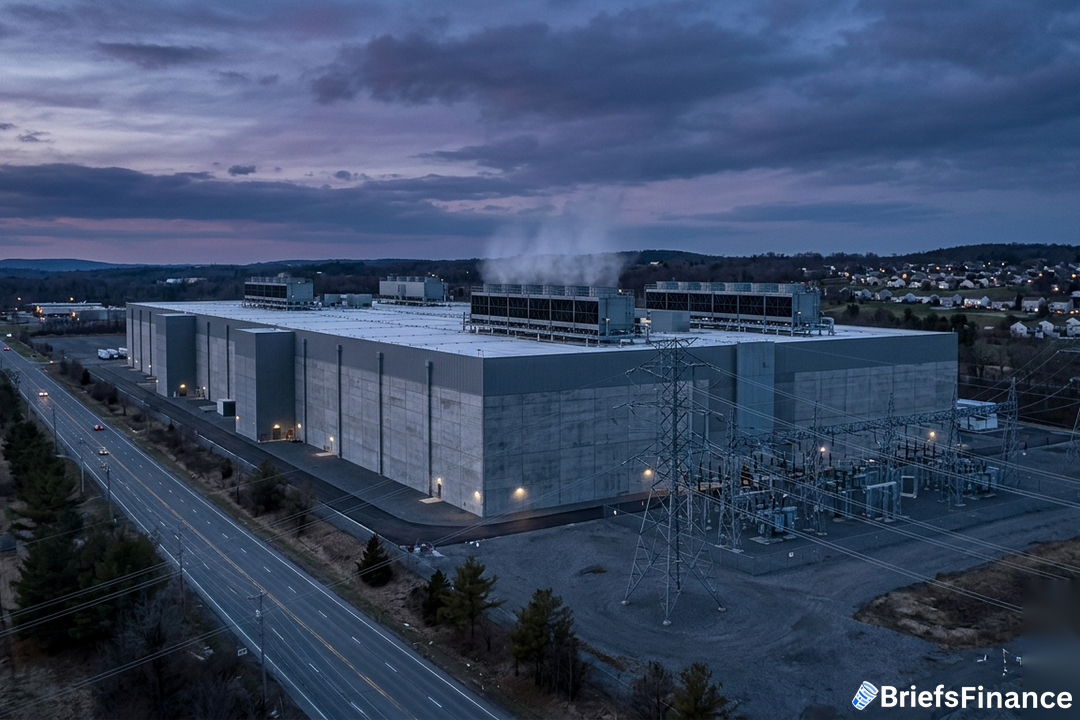
The big driver is data centers, especially the ones powering artificial intelligence. Those facilities consume enormous amounts of electricity, and they keep getting built faster than new power plants can connect to the grid. PJM's independent market monitor, Monitoring Analytics, reported that power prices in the PJM region jumped 76% during the first quarter of this year, pushed higher by that data-center demand.
The problem feeds on itself. High prices should attract new power plants, but the price cap limits that signal. And even if companies wanted to build, connecting new generation to the grid takes time. The result is a market that keeps falling short of what it needs to stay reliable.
Regulators are paying attention. The Federal Energy Regulatory Commission, known as FERC, has called a conference for July 23 to discuss how the grid is governed. The White House and state governors have also pushed PJM to set up an emergency procurement measure to address the gap.
What Comes Next
PJM plans to launch that emergency procurement starting in September. The idea is to fill the supply hole and make the largest data centers - the so-called hyperscale facilities - pay for the added generation they are driving demand for. That is a shift in who picks up the tab.
The bottom line: This auction failure matters for investors in two ways.
First, your utility bill is going to feel this. With the shortfall still open, those costs are not going away. PJM serves roughly 65 million people across its footprint, and the added capacity payments will spread across millions of households and businesses.
Second, the stocks mentioned in the auction news - Constellation Energy (ticker CEG) and Talen Energy (ticker TLN) - operate in this exact market. Their existing power plants become more valuable as supply tightens and prices rise.
Join Market Briefs, our free daily newsletter, for a quick daily rundown of the markets