The Move South of the Border
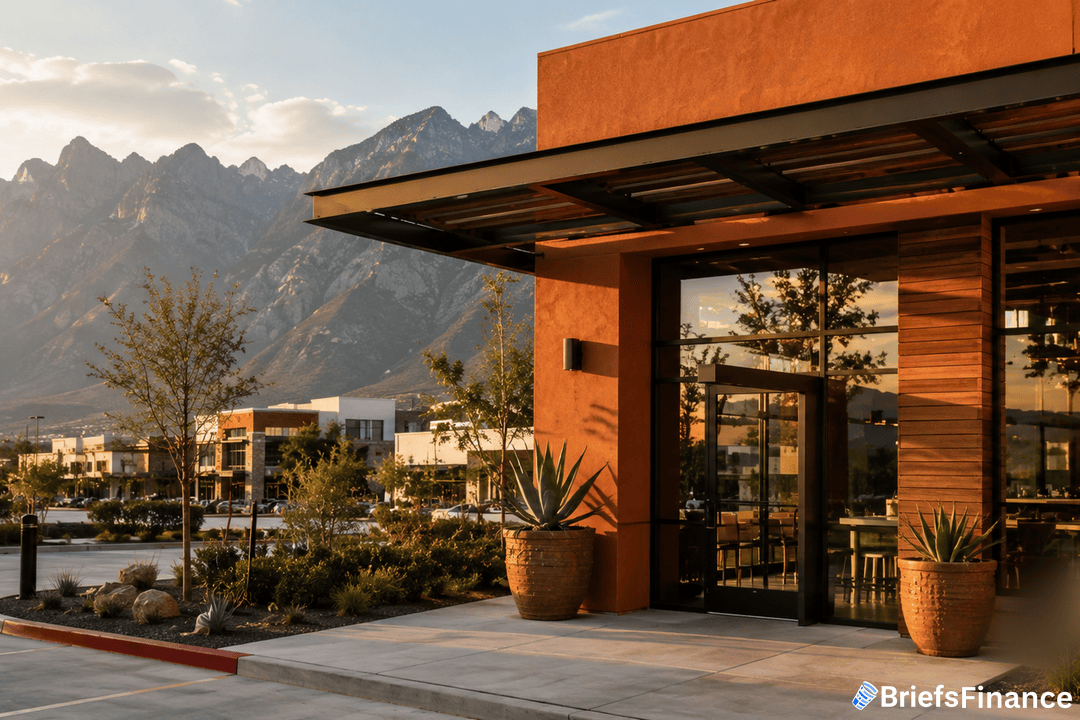
Chipotle selected the Monterrey region due to its robust economic climate, expanding population, and reputation as a top business and innovation center in Mexico.
Why Chipotle Needs a Fresh Market
In 2026, the company aims to add between 350 and 370 new locations worldwide, seeking to bounce back from a period of slow expansion and attract diners through fresh menu items. Forming alliances abroad is a key part of that plan.
Get the market news that matters in a five-minute read with Market Briefs, our free daily newsletter
The Mexican outlet will offer the identical menu found in Chipotle's U.S. restaurants.
Chief Executive Officer Scott Boatwright stated: "We are entering Mexico with deep respect for the country's culinary heritage and a commitment to delivering the Chipotle experience with excellence. Our research has reinforced our belief that there is strong interest in high-quality, freshly prepared food served with the customization and convenience that Chipotle offers."
What It Means for Your Portfolio
At present, Chipotle runs over 4,100 outlets globally, with locations in the Middle East and Europe. The Mexico locations are part of that broader push.
Chipotle's move into Mexico represents a bold step given the country's rich culinary traditions. The chain's strategy of partnering with local operators has already paid off in other markets, such as the Middle East and Europe, where Alsea-like groups manage operations. The Monterrey location will test consumer appetite for the brand's American-style burritos and bowls in a land known for authentic Mexican food. Success here could pave the way for dozens more restaurants across Mexico.
Alsea, a major restaurant operator in Latin America, already manages Chipotle's international locations in Europe and the Middle East. This deep partnership gives Chipotle local supply chain expertise and real estate knowledge, reducing the risk of entering a market where Mexican cuisine is both a tradition and a competitive landscape. The San Pedro Garza García site was chosen partly for its affluent, cosmopolitan population that is familiar with international food chains, providing a controlled testing ground before a larger rollout.
Chipotle's decision to enter Mexico comes as the chain faces slowing growth in its home market. With domestic same-store sales softening, international markets have become an increasingly important avenue for expansion. The partnership with Alsea, a seasoned operator in Latin America, helps mitigate the risks of entering a country where local cuisine is deeply established. By starting in an affluent, internationally-minded suburb, Chipotle can gauge consumer interest before committing to a larger presence in cities like Mexico City.
The company's domestic same-store sales have recently softened, pushing Chipotle to seek international growth as a counterbalance. With the Mexican launch, the chain hopes to replicate the success it has seen in other foreign markets. The partnership with Alsea, which operates thousands of restaurants across Latin America and Europe, provides a proven infrastructure that should help avoid early missteps. If the San Pedro Garza García location performs well, Chipotle could accelerate its timeline for additional Mexican cities beyond the planned 2027 Mexico City opening.
Join Market Briefs, our free daily newsletter, for a quick daily rundown of the markets