The Numbers Are Way Out of the Ordinary
Normally, Michigan sees about 40 to 50 cases of cyclosporiasis in a year. That is the nasty parasite that causes weeks of diarrhea, and it usually comes from contaminated produce.
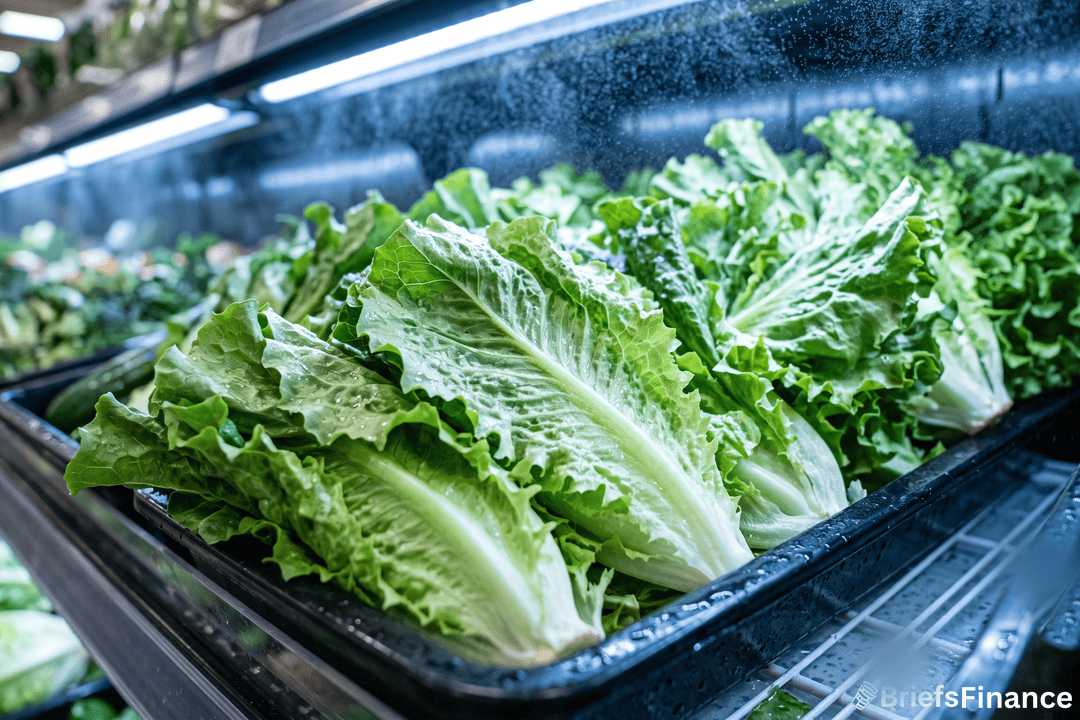
The Michigan Department of Health and Human Services is leading the investigation. Natasha Bagdasarian, the state's chief medical executive, noted that investigators have repeatedly identified lettuce as a potential source during their inquiries. They still have not identified the exact product, but they wanted to give the public a heads-up.
"Although we do not have a definite product identified as the source of the outbreak, we want to let Michiganders know what we have learned so far so they can take steps to protect their families," Bagdasarian said. "Early information has shown lettuce as a common product that regularly comes up during the investigation. We will continue to provide updates as we learn more."
The parasite takes about two weeks to show symptoms after you eat it. That means a lot of people who got sick in late June and early July are just now figuring out what hit them.
Get the market news that matters in a five-minute read with Market Briefs, our free daily newsletter
Cyclospora cayetanensis is a microscopic parasite that causes cyclosporiasis, with symptoms including watery diarrhea, loss of appetite, weight loss, stomach cramps, and nausea. Outbreaks are often linked to imported fresh produce, as the parasite is not commonly found in the United States. The current Michigan outbreak is one of the largest on record.
The scale of this outbreak has prompted heightened scrutiny of the produce supply chain. In past years, cyclosporiasis outbreaks in the US have been linked to imported cilantro, basil, and raspberries. The parasite thrives in tropical and subtropical climates, and contamination often occurs in the growing fields.
Health officials are working with the FDA to trace the lettuce back through distributors. Meanwhile, the CDC advises that thorough washing may not fully remove the parasite, making cooking the safest option for leafy greens.
Restaurants React, and the Ripple Starts
When a foodborne outbreak blows up this fast, the companies that serve the suspected ingredient have to act. According to Bloomberg, some Taco Bell locations in southeastern Michigan decided to remove lettuce from their menus as a safety precaution.
The federal agency that tracks disease outbreaks reported that cyclosporiasis infections have been recorded in 31 states this year, with several states seeing increases over the last two weeks. The agency acknowledged that its own counts lag behind state-level reports, and it is now escalating its investigation.
The state health department noted that the intricate national food supply network adds further complexity to the investigation.
What This Means for Your Life
The outbreak is still unfolding. Health officials will keep testing and tracing to find the specific contaminated greens. In the meantime, officials advise purchasing whole heads rather than pre-washed or bagged varieties, removing the outer leaves, and rinsing the inner leaves well. When it comes to greens that can be cooked, heating them to 158°F (70°C) is the safest approach because washing or chemical treatments may not eliminate the parasite.
Join Market Briefs, our free daily newsletter, for a quick daily rundown of the markets