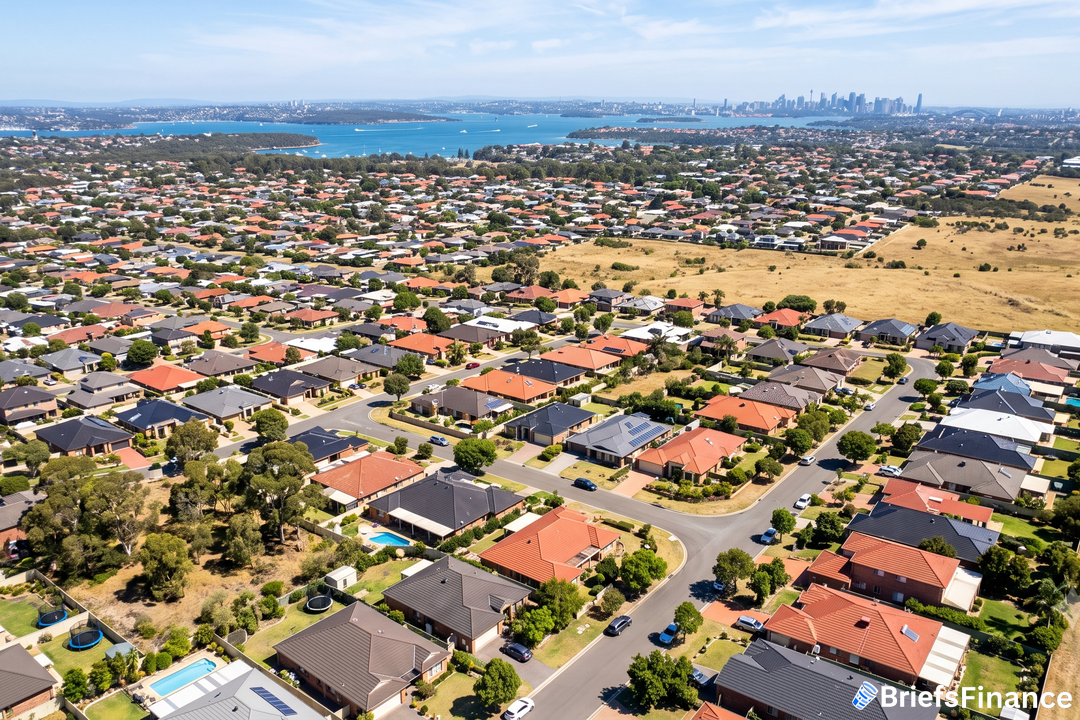
Australia's housing market just posted its worst month in three and a half years. Yet the story is not the same everywhere. Sydney and Melbourne are falling, but Perth and Darwin are still climbing.
The Numbers: A Split Market
The national home value index dropped 0.4% in June, according to property consultancy Cotality. That is the biggest monthly slide since December 2022. Sydney led the decline with a 1.2% fall, followed by Melbourne at 1%.
Adelaide flatlined. Perth rose 0.7%, and Darwin jumped 1.4%.
The median Sydney home is now worth A$1.3 million - about US$900,000. Nationally, the median price sits around A$1 million, which is 74% higher than a decade ago.
Get your free investing masterclass bonus when you join Market Briefs, our free daily newsletter
Why the Market Is Turning Lower
Three forces are pushing prices down. First, affordability was already stretched. Tim Lawless, research director at Cotality, noted, "Even before interest rates rose by 75 basis points, we were seeing affordability hurdles weighing on buyer demand."
Second, the Reserve Bank of Australia (RBA) raised rates by a total of 75 basis points over its first three meetings of 2026. These increases have severely limited how much potential buyers can borrow. Third, the Australian Labor government passed laws that limit tax breaks for housing investors and increase capital gains taxes. Lawless described the combination as "higher cost of living pressures, deeply pessimistic sentiment and a further dampening of demand via property taxation changes." These new rules reduce the incentive for investors to buy, especially in expensive cities like Sydney and Melbourne.
What This Means for Buyers, Investors, and Politics
If price declines continue, young Australians might find it easier to buy. Rents have also surged - up almost 42% in major cities over the past five years. Sydney's median house rent is A$883 per week; apartments rent for A$783.
The government hopes its tax changes will reduce support for the far-right One Nation party. But falling prices have a downside. Homeowners lose paper wealth, which could slow consumer spending. The RBA has noted this risk - a significant weakening in housing markets might hurt consumption growth.
Cotality's revised data show home prices peaked nationally in March 2026. "This reflects a market that is changing rapidly," Lawless said. "Most regions have seen values revise lower over recent months, with the largest downgrades occurring in Perth and Brisbane."
The March 2026 peak now appears to be a pivotal turning point, with most regions having since revised lower.
What to Watch
Watch how far Sydney and Melbourne fall - if the slump accelerates, the RBA may face pressure to cut rates sooner to protect the economy. But for now, the trend is downward, and a quick rebound looks unlikely. The data from June marks a clear turning point.
Subscribe to Market Briefs, our free daily newsletter, and claim your bonus investing masterclass