Carney detailed his administration's energy approach in the second episode of a series titled Forward Guidance, contending that Canada faces a triple challenge: cost-of-living issues from fluctuating oil prices, economic fragility due to heavy dependence on U.S. markets, and the increasing difficulty of transitioning to a low-carbon economy.
"The goal remains the same, but as times have changed, we must change our plan to get there."
Carney stated unequivocally that his administration will not limit expansion of the oil and gas industry in order to achieve short-term emission reduction goals.
Get your free investing masterclass bonus when you join Market Briefs, our free daily newsletter
He contended that the prior approach would have increased expenses for already struggling families, compromised Canada's capacity to provide energy to allies, and worsened regional rifts. He had earlier been vague about his dedication to that target, but consistently stressed the longer-term aim of net zero by 2050. A Bloomberg News poll conducted by Nanos Research Group showed that 55% of Canadians favor expanding oil and gas exports over hitting the 2030 emissions goal, while 35% prefer the opposite.
Crude oil was at $69.47 per barrel as of June 30, 2026. Additional external factors add to the complexity. American tariffs have affected major Canadian sectors, yet figures released on Tuesday indicated a recovery in second-quarter expansion, boosted by rising oil costs. Meanwhile, the conflict in Iran drove up fuel prices, straining households and increasing economic instability.
The oil-producing province bristled under Trudeau's environmental policies, which Carney described as "an open opportunity for those people who wish to pull Canada apart, both at home and from abroad."
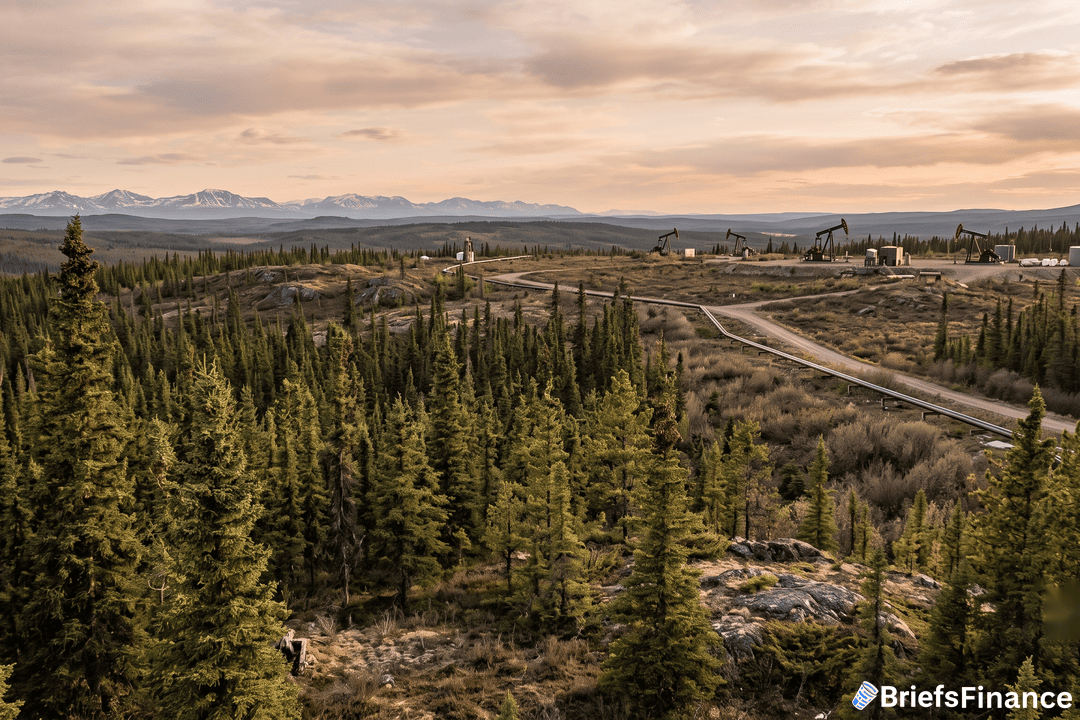
Carney, who was voted into office in 2025 with a pledge to make Canada a leader in both fossil fuels and renewable energy, has dismantled significant parts of Trudeau's climate policies. Canada is already the world's fourth-largest oil producer, but most of its crude is sold to the US at a discount. That dynamic has begun to change with the expansion of the Trans Mountain pipeline to the Pacific coast. Carney has also pledged federal support for a new pipeline through British Columbia, a proposal Alberta is expected to formally unveil this week.
The shift in policy reflects a broader recalibration of Canada's energy and climate strategy. With the Trans Mountain pipeline now operational, Canadian crude can reach Asian markets at higher prices, reducing the historic dependence on the U.S. market. Meanwhile, Carney's administration has framed its approach as a pragmatic response to both economic pressures and geopolitical instability, arguing that rapid emission cuts would harm competitiveness without equivalent global benefit.
Subscribe to Market Briefs, our free daily newsletter, and claim your bonus investing masterclass