Here is a number that should make you stop: $1.1 billion. That is reportedly how much MTN Group could pocket by selling a piece of a company it just finished buying.
MTN previously announced plans to buy the 75% of IHS Nigeria it did not already own. That purchase would have given MTN full control of the tower business.
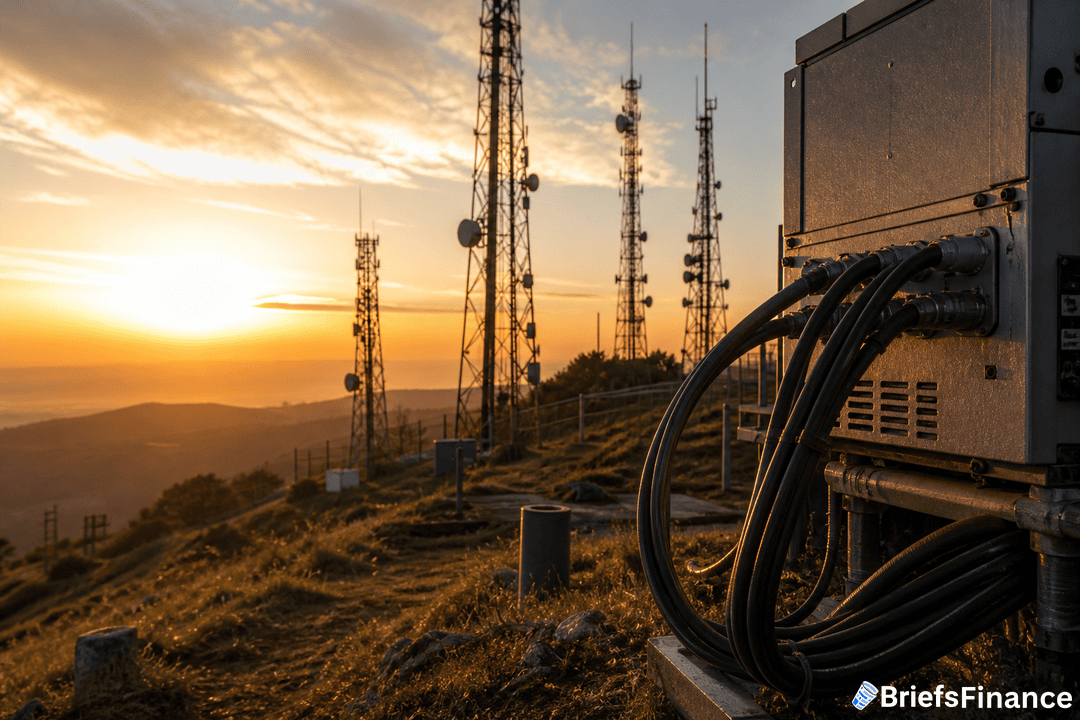
For anyone who has not followed this corner of telecom, here is the quick version. IHS Nigeria runs roughly 18,000 mobile-phone towers. Those are the tall structures that carry the antennas your phone connects to. Without them, there is no signal, no streaming, no calls.
The business is the biggest asset of IHS Holdings, which is listed on the New York Stock Exchange. IHS Holdings runs roughly 29,000 towers across the continent, and its most significant operations are in Nigeria and South Africa.
This is not a small side project for MTN. Mobile towers are the backbone of telecom in Africa, and they are increasingly valuable as more people get online. Forecasts indicate that the continent's tower market will expand by 19%, reaching $4.75 billion by 2031. That growth is being fueled by a young, fast-growing population that is adopting smartphones at a rapid clip.
The tower business itself is simple if you think about it. Companies like MTN rent space on these structures to phone carriers, who need them to transmit signals.
So why sell now? The short answer is that MTN does not have a choice. MTN's CEO Ralph Mupita said the money from the sale would be used to pay down the purchase it made, and that the deal would be valued based on what the market says it is worth.
Understanding what moved a market beats knowing that it moved. Get the free Market Briefs daily newsletter and follow the drivers.
The sale is a direct result of the regulatory approval for MTN's buyout of IHS Nigeria. Nigeria's antitrust authority required the divestment of a 30% stake to local investors as a condition for the acquisition to go through. This ensures that the tower market remains competitive and gives domestic players a role in managing critical infrastructure. MTN has indicated that the proceeds will help reduce the debt it took on to complete the purchase.
This is not MTN dumping a struggling asset. Tower companies are the landlords of the mobile world. They build the physical structures that carry phone signals, then rent space on them to wireless carriers. That model tends to produce steady, long-term cash flow, which is exactly why investors have warmed to tower stocks over the years.
It is also why the tower business is growing. That growth is being driven by the same force behind most of the continent's economic stories - a young, quickly growing population that is signing up for mobile data in huge numbers.
For anyone watching from the outside, the deal is a useful reminder of how infrastructure investing works. Sometimes a company is forced to sell something it would rather keep. Sometimes the buyer gets a good asset at a reasonable price. The market will decide which one this is when the sale closes.
For your portfolio, the takeaway is quieter. MTN is a major name in African telecom, and this sale shows how regulators can reshape ownership of critical infrastructure. It also shows that the demand for mobile towers is strong enough that a 30% stake in one Nigerian unit can reportedly fetch over a billion dollars.
That kind of valuation does not happen by accident. It reflects a market that expects more phones, more data, and more towers for years to come. Whether that forecast holds is the real question for anyone watching this space, but right now the numbers are pointing in one direction, and MTN is cashing in on it.