The Iran conflict has scrambled global fuel markets in ways that were hard to predict.
One of the strangest results: Mexico, a country known for importing gasoline and diesel from abroad, just shipped a load of diesel to Europe. It is the first time that has happened in seven years.
A Trade Route That Reversed Course
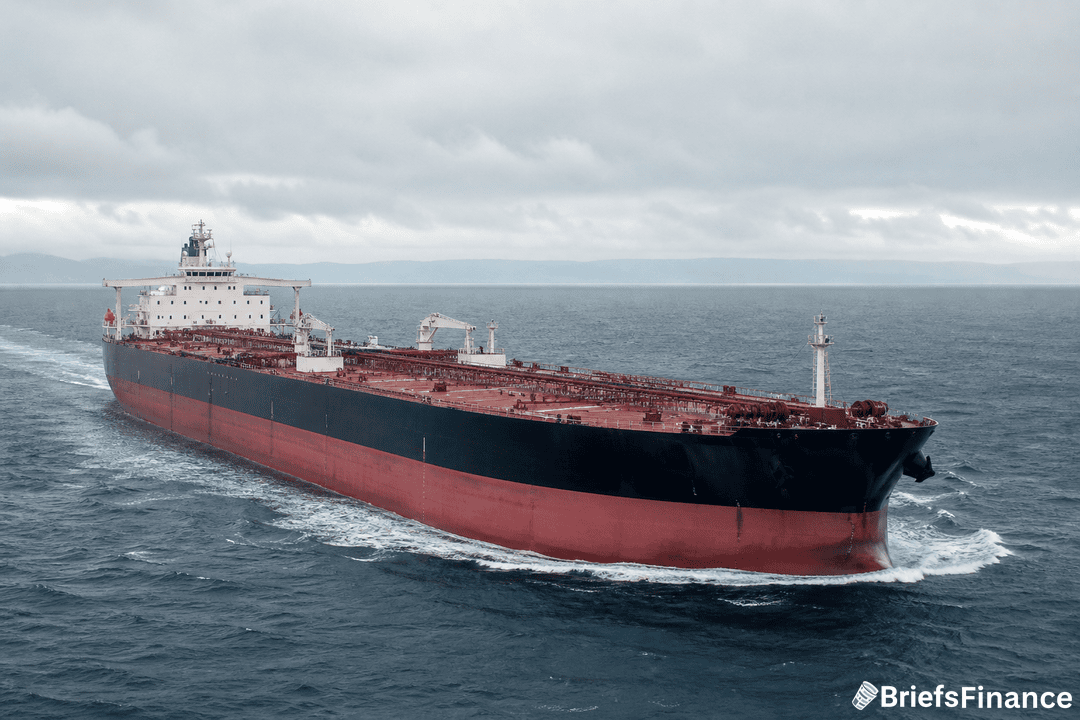
Mexico's state-owned oil company Pemex dispatched roughly 300,000 barrels of diesel destined for Spain in August, based on vessel-tracking data from Kpler and other shippers. The tanker Cedar Express is expected to arrive before the end of August.
The country has spent years importing fuel to keep its own drivers moving.
Why This Matters for Fuel Prices
Diesel prices in Europe have been climbing for months. In 2026, they have more than doubled in New York, making diesel the best-performing commodity in the world. If you drive a truck, run a farm, or heat a home with diesel, that spike shows up in your costs. If you just buy groceries, you feel it too, since almost everything you eat was moved by a diesel-burning truck at some point.
The disruption started with the Iran conflict, which rattled shipping lanes and made insurers nervous. Then Russian cargoes stalled, and the combination threw the usual trade patterns out the window.
Markets move every day, and most of it never reaches you in time. Get the free Market Briefs daily newsletter and stay ahead of it.
Russia's Refineries Keep Shifting the Market
The other half of this story is Russia. Its refineries have been taking hits from drone strikes for months, and that has squeezed the diesel it can produce. Russia already extended an export ban on diesel once, and it is now looking at keeping that ban in place until Oct. 1 at least.
Here is the strange part. The Iran conflict is pushing fuel prices higher, and high European prices are what pulled Mexican diesel across the Atlantic. Europe is paying up because it cannot get enough from its usual suppliers. That price signal is what convinced Pemex to send fuel the "wrong" direction.
What This Means for Your Wallet
Fuel markets are global, but the effects hit close to home. The same tightness that pushed European diesel prices to multi-year highs is part of why diesel prices at American pumps have been creeping up. Gasoline is the fuel people notice, but diesel moves the trucks, farms, and trains that put food on shelves.
The Mexican cargo is a small drop in a very large barrel. But it matters because it shows how far the market is bending to find supply.
The bigger question is how long this lasts. If Russian refineries keep getting hit, and European buyers keep scrambling, this odd new trade route might become a regular thing. For you, the takeaway is simple.
Pay attention to diesel prices, because they move the cost of everything you buy. And when a fuel importer becomes an exporter, it is worth noting. Markets rarely do that out of nowhere.