What Loblaw Is Doing
Canadian shoppers who want to avoid American products are getting some help from one of the country's biggest grocers.
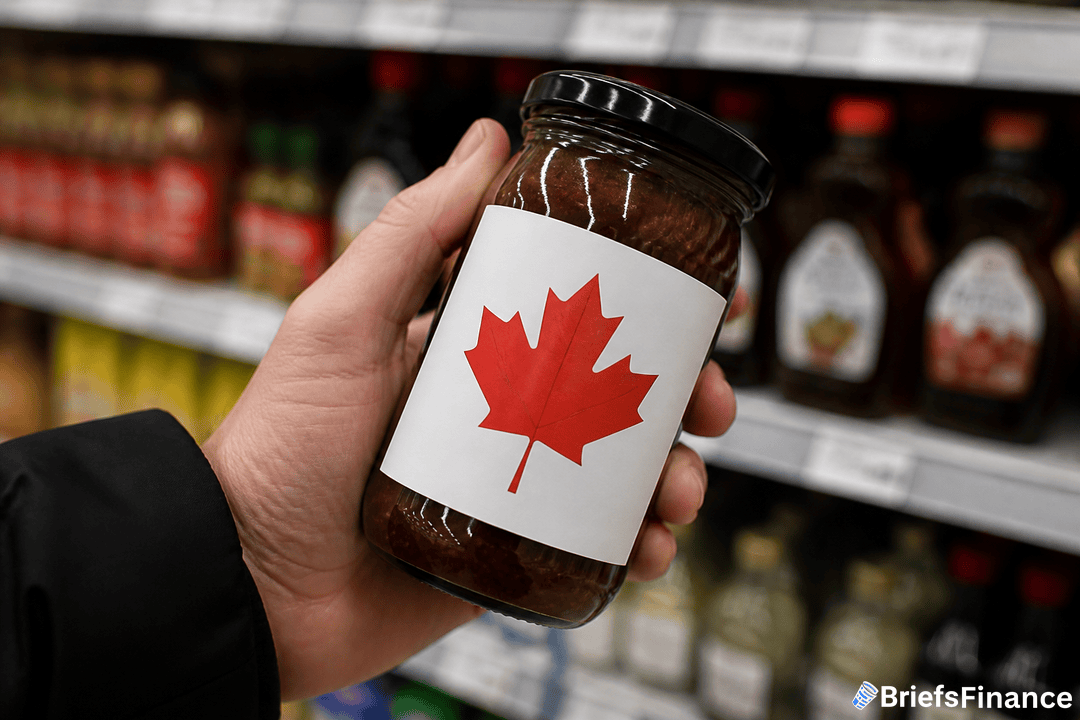
Loblaw, the largest Canadian-owned grocery chain in Canada, said it is bringing back the product-origin labels it used during an earlier trade fight. The company earned about C$64 billion ($46.1 billion) in revenue, so its shelf labels reach a lot of shopping carts. Shoppers will now see maple leaf markers on Canadian-made items, plus signs showing where food was grown or produced. The chain is also adding a "T" tag to products that could be hit by tariffs, which is the same marking system it used last time.
"We know customers want to support Canadian farmers and businesses, so we are making it easier for them to do that," Loblaw spokesperson Youmna Rab said in a statement.
The move comes at a tense moment in trade talks. Washington has slapped 50% duties on a broad range of Canadian goods, and Canada hit back a day later with its own tariffs on U.S. items such as fish, seafood, cheese, milk, and cosmetics.
How a Trade War Reaches the Grocery Aisle
This is what a tariff war looks like when it lands in the produce section. American goods become pricier, Canadian shoppers get angry, and retailers have to help people figure out what they are actually buying.
Since eating is universal, supermarkets become the clearest battleground in this trade conflict. When the last trade fight happened, Loblaw said shoppers clearly wanted to know where their food came from and chose Canadian options when they could. The labels worked, and now they are back.
Ontario Premier Doug Ford has been urging grocery chains to highlight locally grown products. At a press conference on Monday, he went further and named the big chains directly.
"Look at the labels and put pressure on the Walmarts, the Loblaws, the Sobeys to buy Ontario products from Ontario," Ford said.
He has also said he told provincial agencies and utilities to stop signing new contracts with American suppliers. "It drives me crazy when I hear someone is buying from the US when we have good local options," Ford said Wednesday. "We are in a trade war. You protect your own side."
Understanding what moved a market beats knowing that it moved. Get the free Market Briefs daily newsletter and follow the drivers.
What the Labels Actually Do
The labels are not just a nice gesture. They are a practical tool for shoppers who want to keep money in the Canadian economy. When every package looks the same on the shelf, a simple flag saying "made here" changes the math for a lot of people.
This is not the first time such labels have appeared. During a previous trade dispute in 2018, Loblaw used the same maple leaf system to help shoppers identify Canadian products. That dispute eventually cooled and the labels were removed. Now, with tariffs at 50% - much higher than before - the stakes are greater, and grocers are again stepping in to guide consumer choices.
What This Means for Your Grocery Bill
For shoppers, the labels do more than point out maple syrup. They turn the grocery run into a quiet protest, one purchase at a time. Instead of guessing which product is domestic, the label does the work. The new signs should also give Canadian producers a clearer shot at shelf space as shoppers change their habits, which can shift which brands sell out first.
The bigger question is whether this latest standoff lasts. Earlier trade disputes cooled off and the labels were packed away. This time, the stakes feel higher.
The 50% tariff is steep, and the response from both sides has been fast. That means prices on the shelf could shift quickly, and not just for imported food.
What This Means for Your Wallet
For investors, the takeaway is about how fast consumer behavior can move when politics gets involved. A tariff fight that starts in trade offices ends in the cereal aisle, and companies that adapt quickly keep customers happy. Loblaw is betting that making the "buy Canadian" choice easy will keep people loyal long after the tariffs go away.
The labels are just a stopgap, of course. Tariffs are still in place, and prices can keep climbing no matter where a product was made. But when a shopper picks up an apple or a carton of milk, they will at least know exactly what they are buying. That information is the one thing the trade fight cannot tax.