A peace deal was supposed to calm energy markets.
Instead, the first weekend after the U.S.-Iran ceasefire sent European gas prices swinging.
Trump threatened new strikes, Iran claimed it had closed the Strait of Hormuz, and a gas plant in Qatar exploded.
A Ceasefire Under Pressure
The memorandum signed last week aimed to end the war. But over the weekend, Iran accused Israel of violating a ceasefire in Lebanon - and said it had shut the Strait of Hormuz.
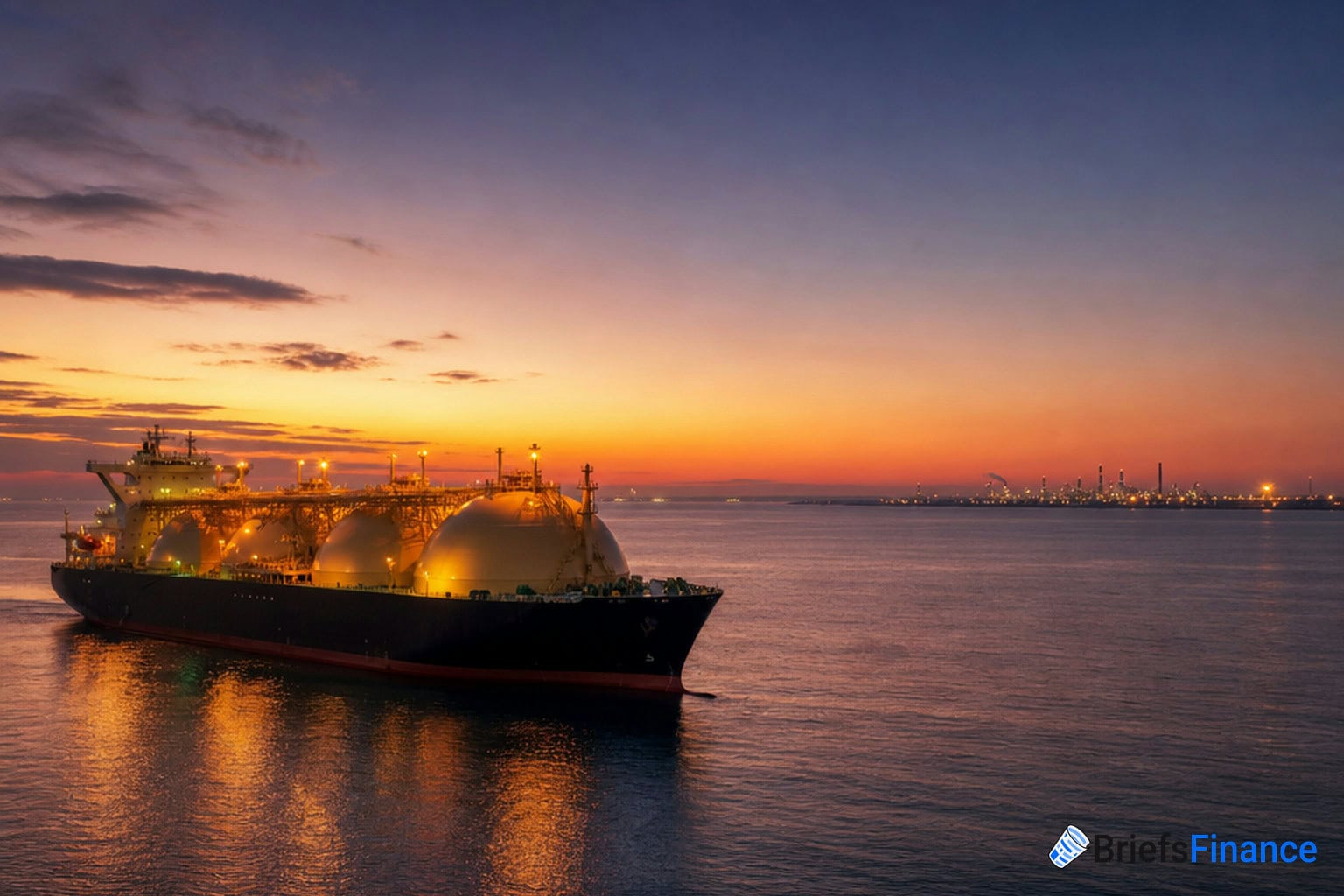
That waterway's near-closure has already cut off around 20% of global liquefied natural gas supply. Europe has been scrambling to refill inventories ever since.
ING strategists warned that the European gas market will get more sensitive to Middle East headlines as winter approaches. A permanent deal, they said, will be tough - with "very real risks of a flare-up in hostilities during the 60-day ceasefire."
Market Briefs breaks down what energy swings mean for your money every morning - five minutes a day, plus a free investing masterclass when you join. Sign up here.
Qatar Blast Adds to Supply Worries
On Sunday, a blast hit the Ras Laffan industrial complex in Qatar - a major LNG exporter. The explosion occurred during a plant startup, and it's unclear if LNG output will be affected.
The incident underscores how fragile the region's energy infrastructure remains, even as production ramps up after the ceasefire.
Meanwhile, a heat wave across Europe is expected to boost air-conditioning demand this week, with temperature records likely to fall in London and Paris.
What to Watch
Mediators from Qatar and Pakistan said the U.S. and Iran agreed on a roadmap toward a final deal within 60 days. Technical talks continue this week.
The key question: whether the Strait of Hormuz can reopen for commercial vessels. Until it does, Europe's gas market will hang on every headline from the Middle East.
If you want this kind of read on the market every morning, join 350,000+ investors reading Market Briefs - you also get a 45-minute investing course as a bonus. Sign up here.