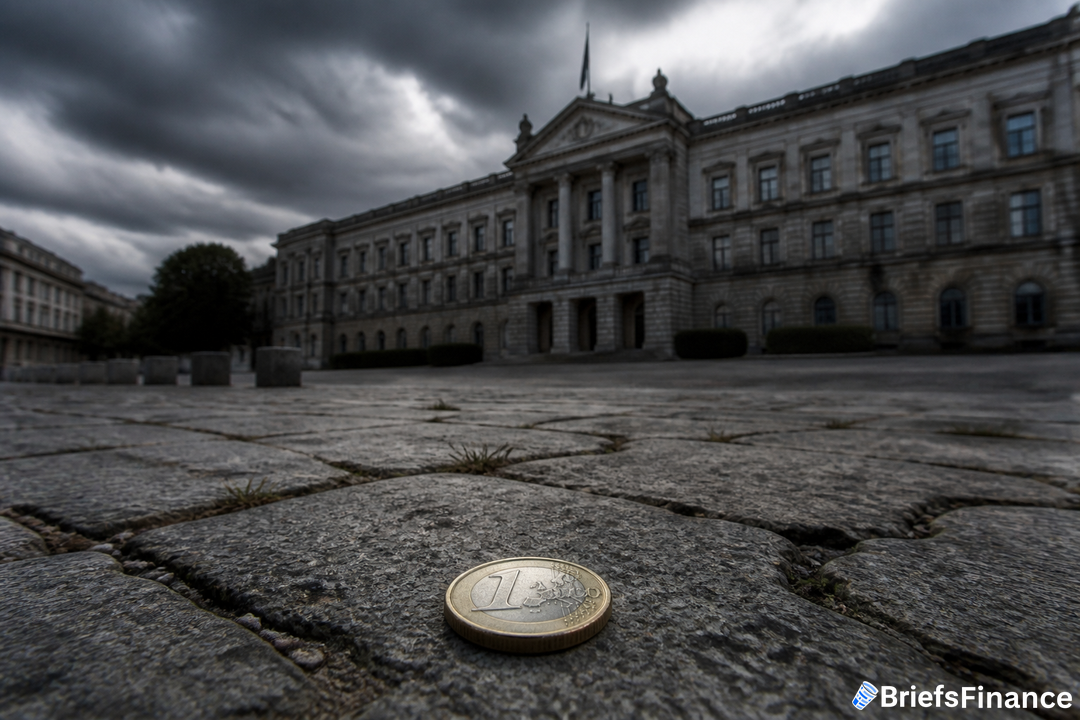
What happened to the euro
The single currency slid to 1.1161 per dollar at the lows in Asian hours, down as much as 0.8%, the weakest since May 2025. Hedge fund selling stood out, and traders said quick-turnover accounts in Asia sold euros in spot markets, pushing prices to thresholds that sparked additional options-related flows. The euro also logged a third straight drop against the Swiss franc on Monday, off roughly 0.5%.
Currency moves quietly change the cost of everything a country imports. Market Briefs covers FX free every morning.
Why markets moved
Talk that Spanish officials are laying groundwork for an early election added to the unease already rattling France's bond market. By Friday, the extra yield investors demand to own French debt over comparable bunds hit highs last seen in 2011.
Homin Lee of Lombard Odier Singapore Ltd., a senior macro strategist, said, "Bond and currency markets are clearly signaling investor discomfort about the rising instability of the French government and erosion in the country's fiscal anchor ahead of the elections in 2027," Anxiety is building over France's political setup, with opposition parties largely unwilling to reach accommodations with President Emmanuel Macron's outgoing administration before next year's vote. A poll published last week indicated Marine Le Pen and Jean-Luc Mélenchon are expected to make the second-round runoff.
What this means for your portfolio
Part of the euro's slump reflects a stronger greenback. Support for the dollar stems from expectations that the Fed could deliver three additional rate increases by July to curb inflation, which propelled the Bloomberg Dollar Spot Index to its highest since late June on Monday. Malayan Banking Berhad's senior FX strategist, Fiona Lim, said, "The dollar appears to have shrugged off last Friday's weaker labor report, with market focus shifting to the Eurozone after French credit default swap spreads widened sharply last week," She added that the widening has "drawn attention to the fiscal health of other highly indebted peripheral economies within the bloc, further underpinning dollar strength."
JPMorgan strategists including Meera Chandan argued the euro still has not fully reflected the moves in French bonds and remains exposed to more downside, especially versus the Swiss franc and the yen. "The euro doesn't yet reflect the widening in OATs and associated tail risks," they wrote. "Euro-Swiss franc is too high and can continue to adjust lower." Translation for your wallet: if you have euro exposure, swings may stay lively as politics and policy collide.
A weakening euro reaches consumer prices and corporate earnings alike. Get the free Market Briefs daily newsletter and follow it.