The Case for Going Small
New cars and trucks in the U.S. typically sell for close to $50,000, and that price gap is fueling interest in smaller vehicles. Stellantis and other manufacturers are wagering that U.S. drivers will accept smaller, cheaper models as car-buying affordability has been a problem for years.
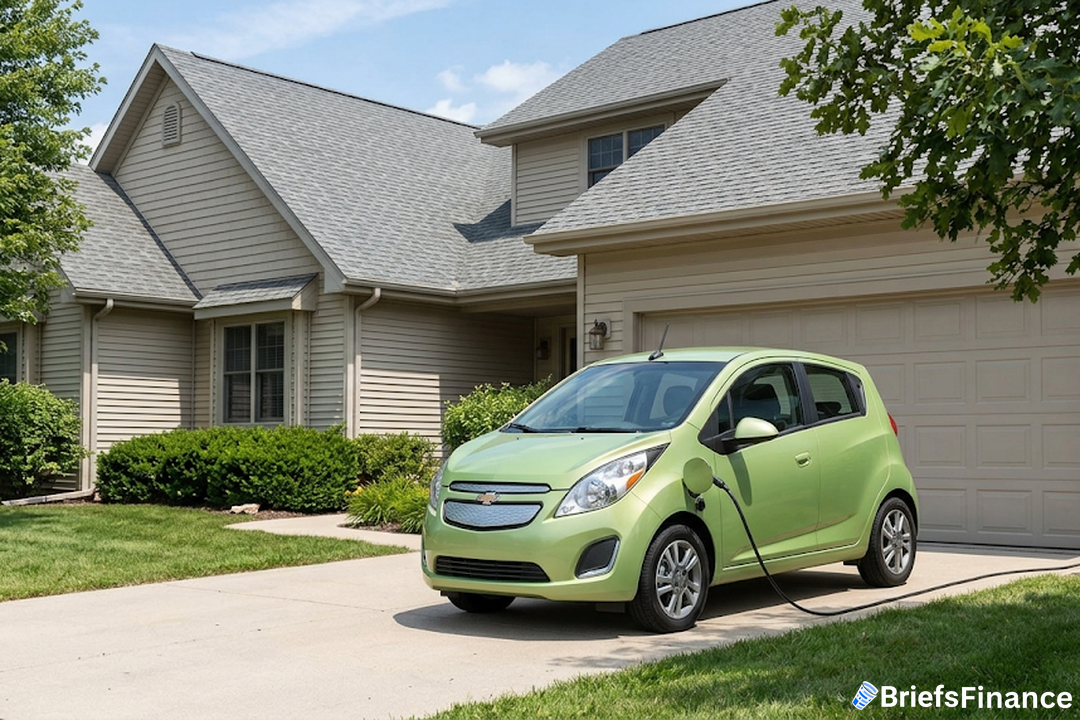
These vehicles are electric low-speed vehicles, or LSVs, which sit between a golf cart and a standard U.S. car or truck in size and performance. A standard wall outlet can recharge them overnight, unlike pricier EVs that require specialized charging equipment costing thousands.
LSV prices commonly start around $15,000. Stellantis' Fiat brand is offering the Topolino, an all-electric quadricycle with the styling of the Italian brand's iconic 500 city car, starting around $15,000 in Miami. The Topolino translates to "little mouse" in Italian and has grown in popularity in Europe. Chip Motors plans to sell its four-passenger Chip from $15,000 in base trim, and a six-seat version is also available.
Jameson Detweiler, CEO of Chip Motors, said buyers are already showing interest. "The market demand is here now and you don't need nearly as much capital to bring a LSV to market," he said. "What we've seen in the market … is just incredible latent demand."
Get the market news that matters in a five-minute read with Market Briefs, our free daily newsletter
Keith Simon, CEO of Waev, which owns the LSV brand GEM, agrees. "There's a lot of new players. … It's been growing significantly."
A Growing Market With Real Limits
Micromobility - small, lightweight vehicles built for short trips - is the broader category. McKinsey & Co. pegs the global micromobility market at roughly $160 billion in 2022, with a possible climb to $340 billion by 2030. North America's market was about $20 billion in 2022 and could reach $35 billion by 2030.
Detweiler estimates the street-legal LSV market currently sells in six figures annually, but under 500,000 units.
President Donald Trump has also pushed the idea into the open. He has talked about changing U.S. road rules to make room for smaller vehicles, such as European LSVs and Japan's Kei cars. Speaking at General Motors' Milford Proving Grounds in Michigan, Trump said: "I'm giving all American car companies the right to build what are known as tiny little tiny cars. I go over to Europe and I see these little cars all over the place and I say, 'Why aren't we making them?'"
Sales of small cars in America have usually been weak, but LSVs tend to serve a different purpose: short trips, often within retirement communities or condo complexes. Stephanie Brinley, Mobility Global's principal automotive analyst, said LSVs cost less than standard cars but are often bought for recreation. "There's great uses for them, but these are not part of a day-to-day work-life commute for most people," she added.
The Test Starts in Miami
The company says it intends to let Chip Motors employees remotely connect to the vehicle to help with driving and parking, with a future goal of self-driving capability. A company rendering placed the Chip between two Ford F-150 pickups.
Detweiler said he wants a friendlier future. "A lot of technology is probably headed more 'Blade Runner.' We want to head more 'Jetsons' era."
Join Market Briefs, our free daily newsletter, for a quick daily rundown of the markets