H5N1 just crossed its last continental border.
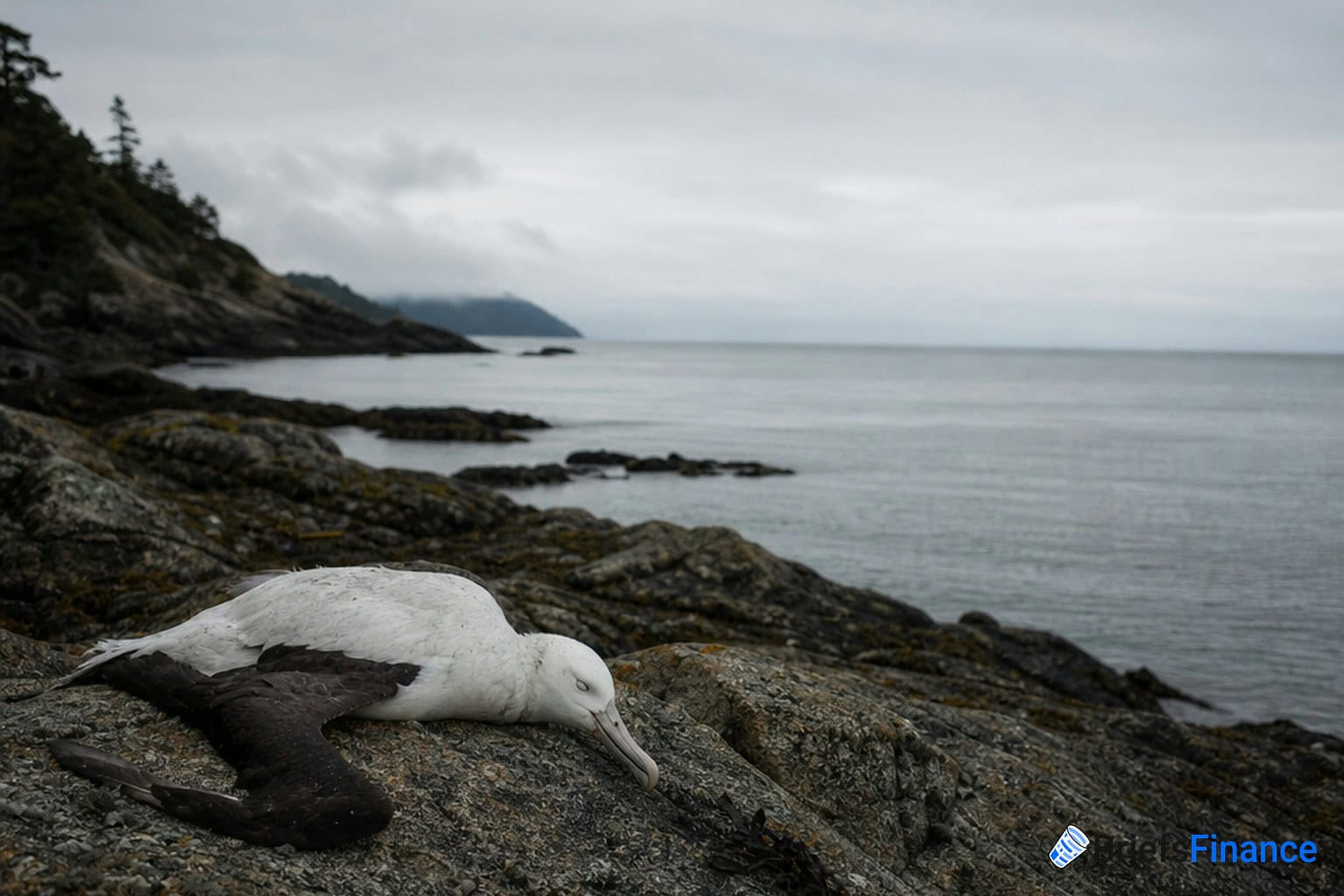
Australia confirmed the virus in a wild seabird this month. That means every inhabited continent on earth has now reported the strain.
For a virus that spent decades mostly contained to Asia and wild bird migration routes, that's a big shift - and one investors are only starting to price in.
The story here isn't just about chickens. It's about what happens when a virus that kills roughly half the people it infects learns to move through cows, pigs, and the global food supply chain.
Market Briefs tracks the economic ripples behind stories like this - five minutes every morning, plus a free 45-minute investing masterclass when you sign up.
The virus has been rewriting its own rules
The H5N1 strain first showed up in the late 1990s. For most of that time, it stuck to birds. Wild flocks carried it along migration routes. Poultry farms got hit when those wild birds passed through.
But in 2024, something changed. The virus jumped into U.S. dairy cattle.
That was the first time scientists had seen a bird flu strain move into cows. It spread primarily through milk. And it spread fast - hitting herds across 17 states by the fall of 2025.
Then it jumped again. Pigs started catching it. Pigs are the animal virologists worry about most. Their respiratory systems are close enough to ours that viruses can swap genetic material inside them and come out better adapted to humans.
So far, that hasn't happened. But the more animals it infects, the more chances it gets.
The human numbers are small - for now
The CDC has tracked 71 human cases in the U.S. since 2024. Almost all of them were farm workers handling sick animals directly. Symptoms ranged from mild eye irritation to full respiratory illness.
One person died - a Louisiana patient over age 65 with underlying conditions who caught it from a backyard flock and wild birds.
That's the pattern investors need to watch. The virus isn't spreading person-to-person yet. If it starts, the math changes fast. H5N1 has killed roughly 48% of people with confirmed infections globally since 1997.
That number is likely inflated by underreporting of mild cases, but even a fraction of that fatality rate would make it one of the deadliest respiratory viruses in modern history.
Australia's detection doesn't change that risk on its own. But it does tell you the virus is still moving. Still finding new hosts. Still crossing borders that looked solid a year ago.
What to watch
Three things matter from here.
First: whether Australia's detection stays contained to wild birds or spreads into commercial poultry. Second: whether the virus shows up in pig populations outside the U.S. Third: any sign of sustained human-to-human transmission - that's the line that separates a farm problem from a global one.
None of those have happened yet. But H5N1 has spent the last two years doing things scientists said it couldn't do. Crossing into every continent is just the latest entry on that list.
If you want this kind of read on the market every morning, join 350,000+ investors reading Market Briefs - you also get a free investing masterclass as a bonus when you sign up.