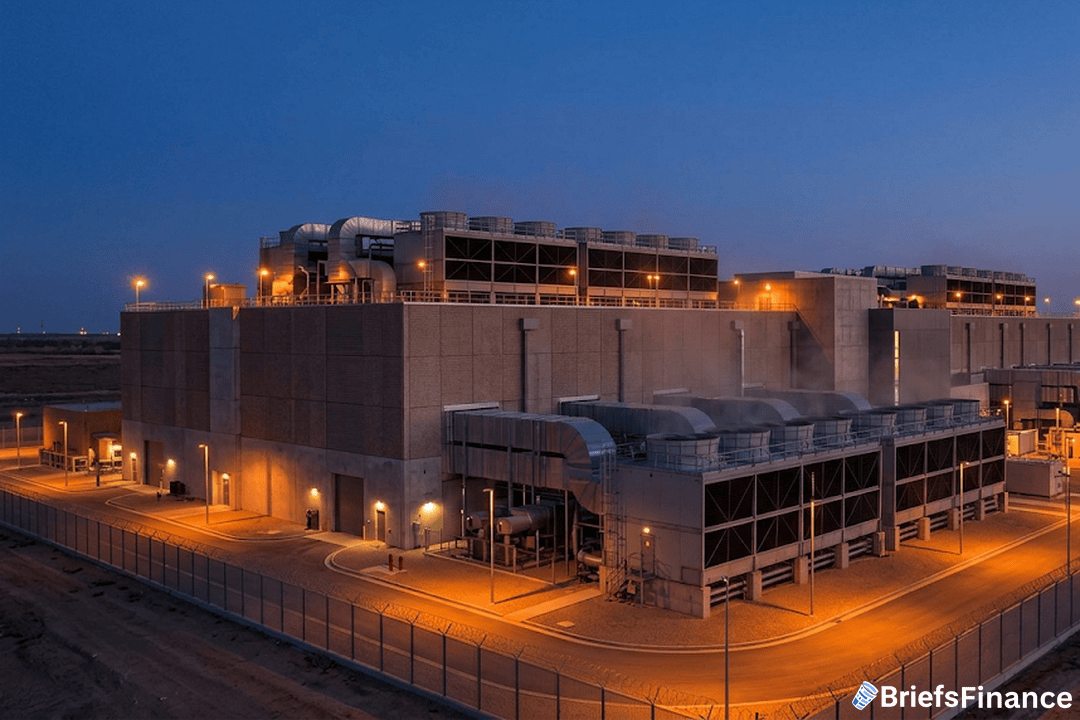
A New Kind of AI Deal
The setup is worth unpacking. Macquarie and GIC are not tech companies. They are money managers, and they are betting that AI infrastructure will pay off. The idea is that these computing sites will generate enough economic activity to justify the upfront cost, which is why financial institutions are increasingly willing to back projects like this.
Anthropic's role is a bit different. The company will not just use these data centers. It has also promised to reimburse consumers if these facilities push up their electricity bills.
That is a notable promise, because data centers are famous for guzzling power. If a new site strains the local grid and rates go up, Anthropic says it will make customers whole.
No figures for total spending or project scale were disclosed, so the size of the venture is still a mystery. But the partners are clearly thinking big from the start.
The Numbers Behind the Build
Anthropic has been quieter than its rival OpenAI when it comes to announcing huge data-center deals. OpenAI has its own massive Stargate joint venture, which has grabbed most of the headlines. Anthropic, by contrast, has been working on its own pace.
Get the free Always Be Buying eBook and learn the simple system for building wealth on any income
That pace is still fast. In 2025, Anthropic announced a plan to put $50 billion into custom data centers in several U.S. locations, including Texas and New York. That is not pocket change. It is a serious bet that AI demand will keep climbing.
Anthropic also secured a $35 billion loan, backed by Google, for renting computing chips across five data centers. Google's backing matters here. It signals that even the biggest names in tech see Anthropic as a solid bet, and it gives the company the cash it needs to secure hardware without tying up all its own money.
Put those pieces together, and you get a company that is spending heavily on infrastructure while leaning on partners to share the risk. The new Theseus venture follows the same playbook, just with a different set of helpers.
The Bigger Picture
Theseus is part of a broader shift in how AI expansion is being paid for. OpenAI's Stargate project has already shown how large these pledges can get, and Anthropic is now tapping big financial partners to carry part of the load. Google's decision to back a $35 billion loan for Anthropic sends a similar signal: established tech players and institutional investors are willing to put real money behind the infrastructure that AI needs.
What It Means for Your Money
Here is the part that hits closer to home. AI data centers are showing up in more places, and they need a lot of power. That is why Anthropic's promise to cover electricity costs electricity bills is actually a big deal.
It is one thing for a company to build a giant facility. It is another to say it will pay for it if your monthly bill jumps because of it.
For investors, this venture is a reminder that the AI boom is not just about chip makers and chatbots. It is also about real estate, construction, and energy. When Macquarie and GIC put money into something like this, they are betting that the economic gains from AI will be big enough to make the whole thing worthwhile.
That bet could pay off, or it could fizzle. AI is still young, and no one knows for sure how much computing power the world will actually need. But the fact that these players are willing to commit real money suggests they see a long runway ahead.
The next thing to watch is where Theseus actually breaks ground. If the first projects land in places with tight power grids, the electricity bill promise will get tested sooner rather than later. For now, Anthropic is putting its money where its mouth is, and it is bringing some heavy hitters along for the ride.
Download the free Always Be Buying eBook and start putting your money to work today