Fed officials are split on how artificial intelligence will shape the economy. Cleveland Fed President Beth Hammack says AI infrastructure spending could fuel inflation that has been too high for five years. Chairman Kevin Warsh sees AI cutting costs instead. The disagreement could decide whether interest rates go up again this year.
The Inflation Case
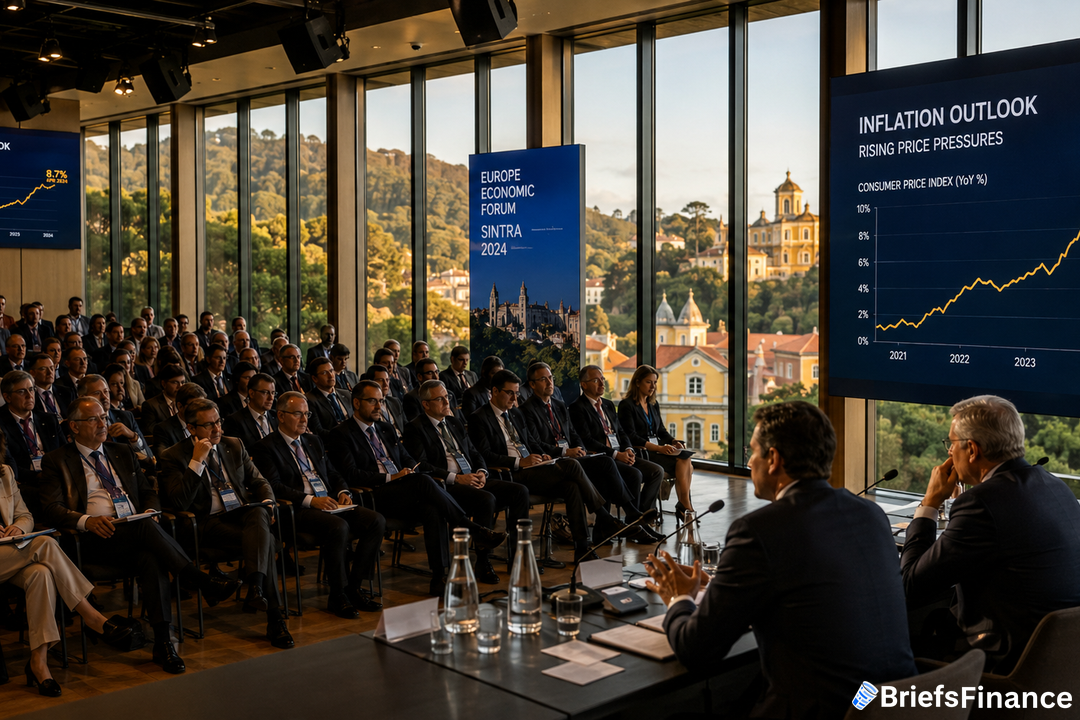
Hammack appeared alongside CNBC's Sara Eisen at the European Central Bank's gathering in Sintra, Portugal. A manufacturer in her district makes electric switching for these data centers. "What they say is that the demand is insatiable, that these companies - these hyperscalers - will pay almost any price for those inputs, and they need things built yesterday," Hammack said.
She also sees little sign that high interest rates are slowing down big businesses. "When I look broadly, particularly around large companies, I'm not seeing a lot of restraint in the economy," she said. "I'm not hearing from these businesses that interest rates or credit spreads are a reason why they're holding back from investment and growth." That means the Fed's current policy may not be tight enough to cool inflation.
Get your free investing masterclass bonus when you join Market Briefs, our free daily newsletter
A Fed Divided
This year, Hammack holds a voting seat on the Federal Open Market Committee (FOMC), the group that sets interest rates. Her current vote gives her a direct say in policy, while Chairman Warsh leads the committee. Their conflicting views underscore the uncertainty surrounding AI's economic impact, as policymakers weigh immediate inflationary pressures against potential long-term productivity gains.
At the June meeting, the FOMC decided to leave its main overnight rate unchanged, but officials projected a quarter-point increase later this year, matching market expectations. But Hammack says "if inflation continues to persist at these elevated levels and I don't see any restraint from policy, we may need to raise rates to bring that policy restraint in."
Kevin Warsh, the Fed chair, offered a contrasting perspective during his inaugural press conference. He believes the technology will boost productivity and reduce labor costs, which would be disinflationary - meaning it would lower inflation. At the same time, Warsh stated he is fully dedicated to reducing inflation.
One Fed official sees AI infrastructure driving up costs. Another sees AI cutting costs instead. Right now, the data hasn't settled the debate. Hammack's comments suggest the upfront spending may be more pressing.
What to Watch
Investors will watch for signs that AI spending is slowing or that inflation readings are easing. If neither happens, Hammack has made clear she will vote for higher rates. The next FOMC meeting will show whether her view wins out.
Subscribe to Market Briefs, our free daily newsletter, and claim your bonus investing masterclass