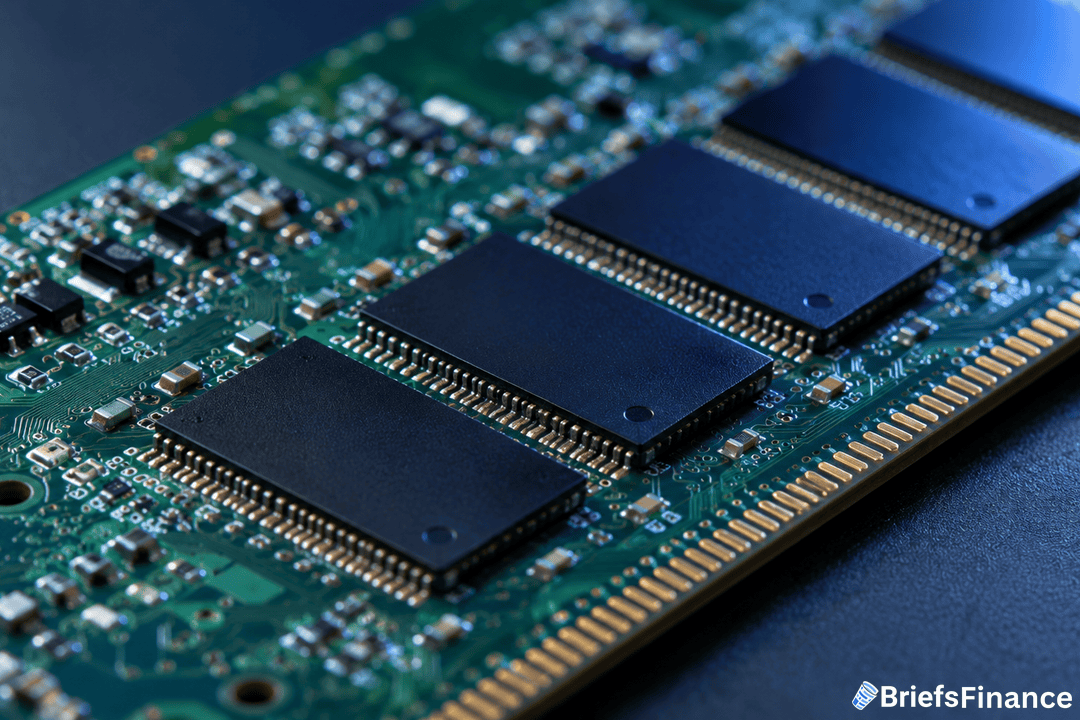
The world is short on memory chips, and Xiaomi just became the biggest casualty.
Net profit fell more than half in the first three months of 2026, revenue dropped for the first time in nearly three years, and the CEO is now telling customers to buy phones early because prices are only going up.
What Just Happened To The Bottom Line
Xiaomi reported Q1 net income of 4.72 billion yuan, or about $695 million, which is a 57% drop versus the prior year and worse than the 52% decline analysts had penciled in.
Revenue fell 11% to 99 billion yuan, marking the company's first revenue drop in nearly three years, with the smartphone unit taking the hit as memory chip prices spiked and squeezed margins in a price band where small cost moves matter a lot.
Citi expects Xiaomi's smartphone shipments to fall 13% this year, and HSBC sees a 10% drop in 2026 sales volume, with neither bank calling the bottom yet.
For a quick read on what earnings like these mean for your portfolio, Market Briefs covers it every morning in five minutes, and you get a free investing masterclass thrown in when you sign up.
CEO Telling Customers To Buy Early
CEO Lei Jun delivered an unusual message at the company's product launch this month, telling customers who upgrade phones every year to pull their purchase forward because memory costs are climbing for at least two more years.
Xiaomi has already raised prices on several models in April, adding 200 to 400 yuan to many handsets since March, with rivals OPPO and vivo following suit and President Lu Weibing expecting multiple Chinese premium flagships to break the 10,000-yuan mark this year.
When a CEO tells you to buy now because prices are going up, that's not marketing - that's a margin warning.
The same memory squeeze is rippling through chipmakers like Micron on the other side of the trade, where higher chip prices are a tailwind instead of a drag.
What To Watch
The smartphone business is bleeding, and Xiaomi's offset is its electric vehicle unit, which is now targeting 550,000 deliveries in 2026 - up roughly 34% from earlier production projections of around 410,000 - giving the stock breathing room even as phones drag.
Shareholders vote June 2 on a buyback of up to 10% of outstanding shares, which is roughly 2.58 billion shares and the kind of buffer a CEO sets up before a tough year. Analysts at Reuters flagged the structural margin pressure as the central question for the year.
The chip cycle eventually turns, and Xiaomi just has to survive the squeeze.
Read Market Briefs every morning for a five-minute breakdown of stories like this, and you get a 45-minute investing course as a free bonus.