What happened
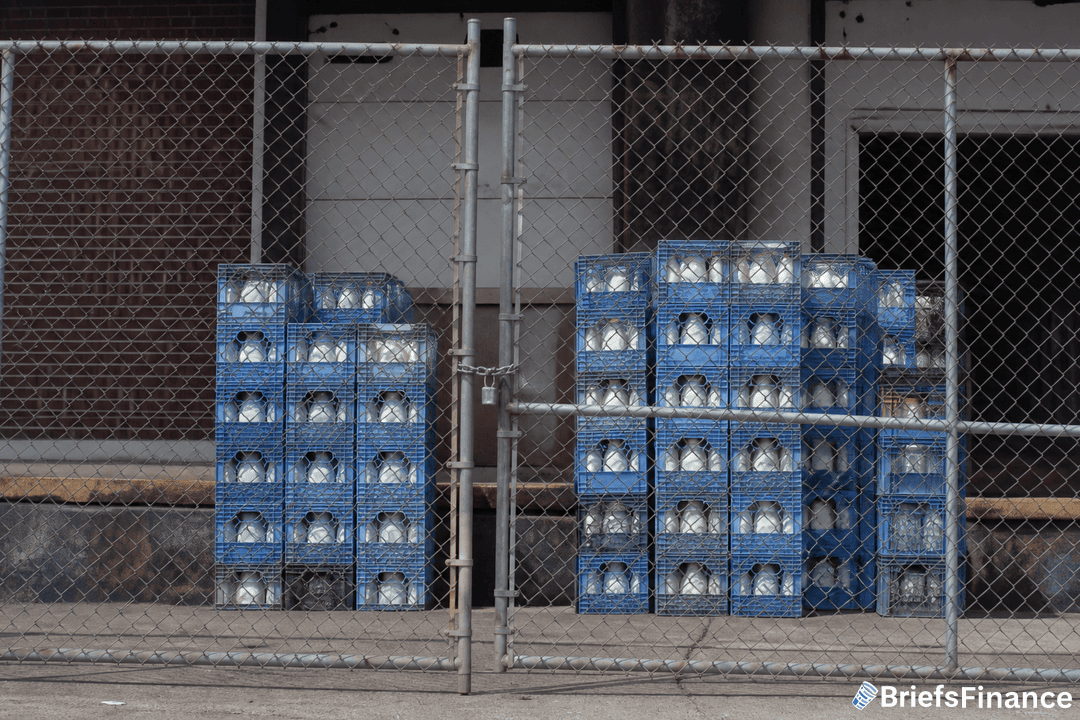
The administration announced a new import freeze on a slice of Canadian goods, targeting categories like motorbikes and mopeds with gas engines above 800cc, whey and molasses, plus a broad set of alcoholic beverages typically packaged for direct consumption, including beer, cider, wine, whiskey and vodka. American Action Forum estimates the covered Canadian imports total roughly $19.9 billion. The move, rolled out earlier this month, slots into a running back-and-forth of sharp rhetoric and retaliatory trade steps between the two countries.
The political back-and-forth
Signaling a cooler timeline, U.S. Trade Representative Jamieson Greer told CNBC on Friday there was "no urgency on our side" to clinch an agreement and noted the U.S. still has "a lot of other trade" with Canada.
Trade tensions remind investors that diversification helps protect and grow personal wealth. Join Briefs Finance CEO Jaspreet Singh on September 29th for a FREE live investor workshop, How to Profit From A Dollar That's Losing its Value, where he shows how we're spotting investment opportunities as the dollar falls. Save your spot.
Canada pushed back.
Scale, timing and risks
Canada has answered with duties set between 15% and 50% on C$27.6 billion (US$19.45 billion) of U.S. products, spanning steel, dairy, farm machinery, paper, home appliances, furniture, clothing and electronics. Ottawa described its move as a dollar-for-dollar reply to Washington's 50% tariffs put in place in August on items such as cement, wine, hockey sticks and more. Canada's countermeasures took effect on Sept. 8, and officials in Ottawa have not rolled out additional retaliation since.
All of this touches only a sliver of the $715.5 billion in annual goods trade between the two economies. Still, a drawn-out fight or more escalation could bite into metals and autos and squeeze smaller firms on either side of the border. This month, the Bank of Canada said the fresh tariffs have clouded the nation's growth prospects and increased the upside risks to inflation.
What this means for your money
This flare-up is narrow in scope but noisy in impact. Price moves will likely hit the named categories first, while the bigger risk comes if the standoff stretches and spills into core industries like cars and metals. Keep an eye on how those Trump, Greer and LeBlanc timelines converge - a quick deal cools things, a stalemate keeps pressure on costs and margins for companies tied most closely to cross-border supply.
Keeping a long term perspective helps families preserve purchasing power through uncertain times. Our CEO Jaspreet Singh is hosting a FREE live investor workshop, How to Profit From A Dollar That's Losing its Value, on September 29th. Sign up free to join him live.