The Rate Debate Heats Up
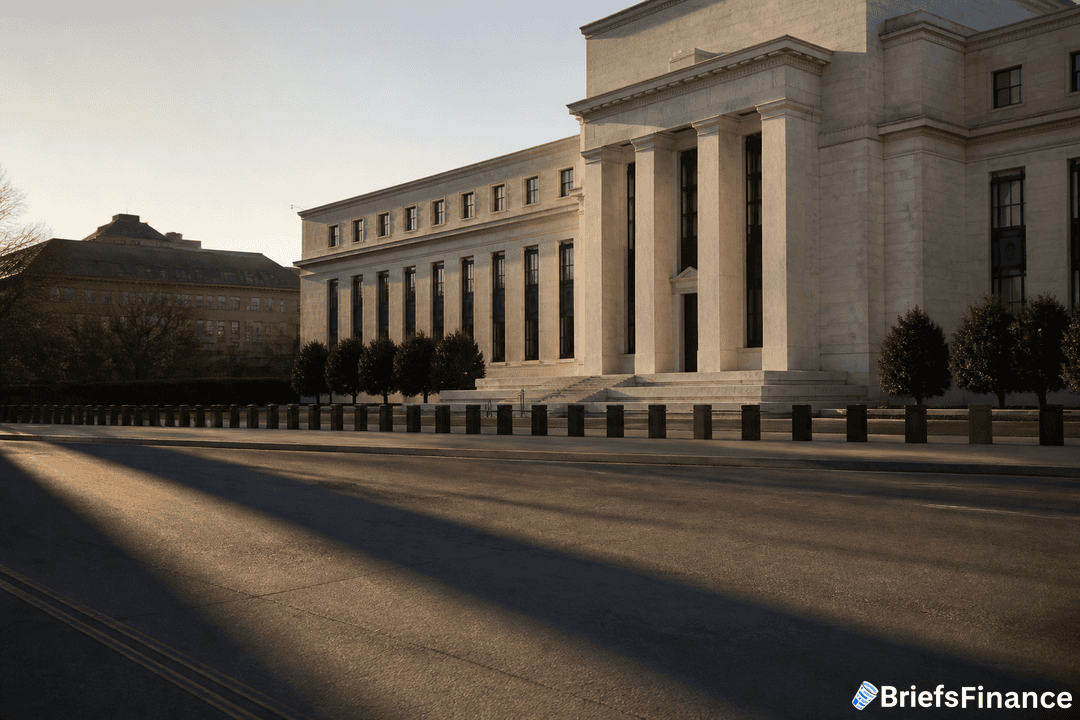
Federal Reserve officials are divided on interest rates ahead of Chairman Kevin Warsh's scheduled speech at the central bank's annual conference in Grand Teton National Park. The split highlights uncertainty over how aggressively to tackle inflation.
Kansas City Fed President Jeff Schmid argued current monetary policy isn't sufficiently restrictive. "For me I think it might be accommodative on the short end," Schmid told Bloomberg Television. "So we've got work to do." Cleveland Fed President Beth Hammack, who dissented against last month's decision to hold rates steady, supported this stance: "It's appropriate for us to put some restraint there to help bring inflation back down to target," Hammack told CNBC.
Other officials urged caution. Boston Fed President Susan Collins described current policy as "mildly restrictive," while Chicago Fed President Austan Goolsbee emphasized waiting for clearer inflation trends. "I need evidence that this inflation shock is not going to be persistent," Goolsbee told the Bloomberg Odd Lots podcast.
Inflation and Market Expectations
Recent data revealed consumer prices grew at their fastest pace since early 2023, maintaining pressure on policymakers. Traders now see roughly a 36% likelihood of a quarter-point increase at the Fed's next meeting.
Fed uncertainty makes steady investing essential, so grab your free Always Be Buying E-Book today to stay on track
The July meeting saw the target range for the federal funds rate held at 3.5%-3.75%, with three voting members pushing for an immediate hike. This disagreement suggests future moves will hinge on economic indicators.
Historical Context
The Fed has raised rates aggressively since March 2022, marking the fastest tightening cycle since the 1980s. While inflation has retreated from its 9.1% peak in June 2022, the current 3.7% reading remains nearly double the official target. Past cycles show that pausing too early risks letting inflation become entrenched, while overtightening could trigger unnecessary job losses.
What It Means for Your Money
Chairman Warsh's upcoming speech may provide clarity on the Fed's direction. Some officials, including Schmid and Goolsbee, signaled receptiveness to Warsh's suggestion of trimming the Federal Open Market Committee's yearly meetings from eight to six.
Investors anticipate limited rate adjustments, but unexpected inflation swings could spark volatility. Analysts will scrutinize Warsh's comments for hints about whether the central bank prioritizes containing prices or preserving economic growth.