From Graphics Chips to AI Powerhouse
Nvidia just showed why it is now the world's most valuable company.
The chipmaker, which started by making graphics cards for gamers, now expects its sales to jump 70% in fiscal 2028. That is a lot higher than the 44% growth analysts predicted. If it hits that target, Nvidia could pass Apple and Alphabet in total revenue - leaving only Amazon ahead among U.S. tech firms.
The numbers tell the story. Nvidia expects $396 billion in sales this fiscal year, climbing to $673 billion next year. Those are the kind of figures that rewrite the tech industry's pecking order.
Why Demand Keeps Growing
Nvidia CEO Jensen Huang says the company could grow even faster if not for supply chain limits. "Current demand is well above 70%," he noted, "but supply constraints cap our guidance." Shortages of memory chips are one bottleneck holding back sales.
AI's explosive growth creates opportunities, so learn to invest wisely with our free Always Be Buying E-Book
The bigger story is who is buying all these chips. What started as a boom from a handful of tech giants like Google and Microsoft has spread to startups, traditional companies, and even regional AI firms. Huang sees this as just the beginning, predicting that AI infrastructure needs will eventually dwarf today's cloud computing demand.
The Supply Challenge
While Nvidia's growth projections are staggering, they come with a caveat: the company can't make chips fast enough. The global semiconductor shortage, particularly in high-bandwidth memory (HBM) used for AI accelerators, has forced Nvidia to temper its outlook despite overwhelming demand. Competitors like AMD and Intel are racing to catch up, but Nvidia's early lead in AI-optimized hardware gives it a formidable edge.
What It Means for Investors
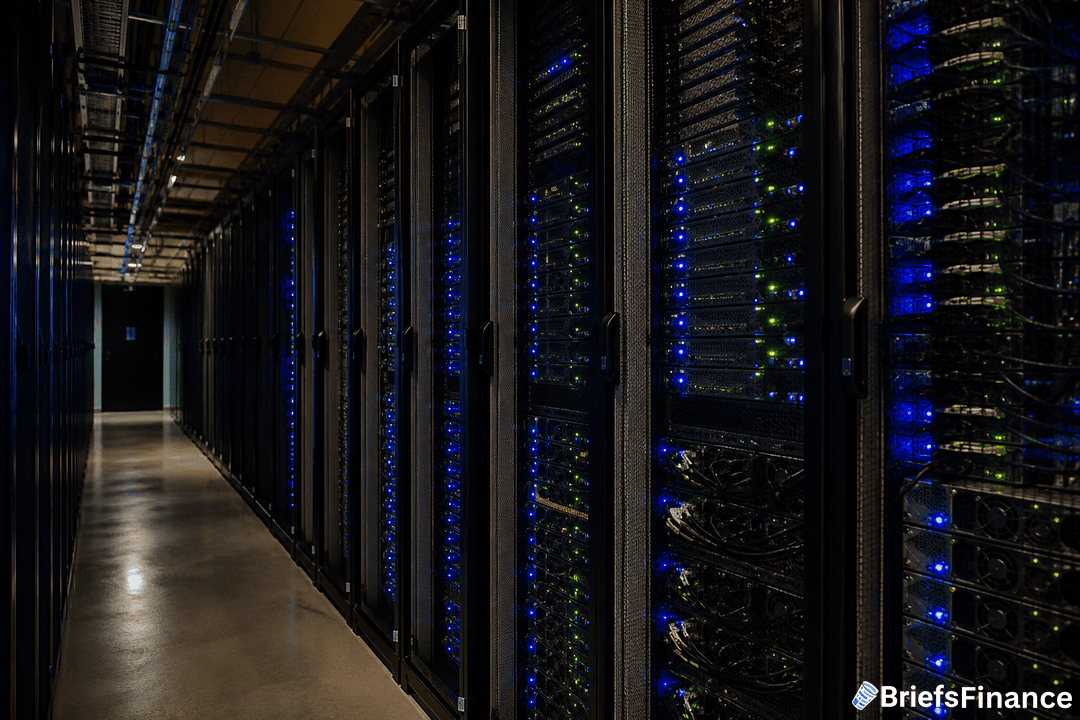
Nvidia's forecast is more than just one company's success - it is a roadmap for where the tech sector is headed. The company is no longer just selling chips. It is providing full data center systems, with financing programs to help startups and businesses make the switch.
The bottom line: When the company at the center of the AI revolution says demand is outstripping supply, it is worth watching where that ripple effect lands next. The firms that help build, power, and support these systems could be the next wave of winners.