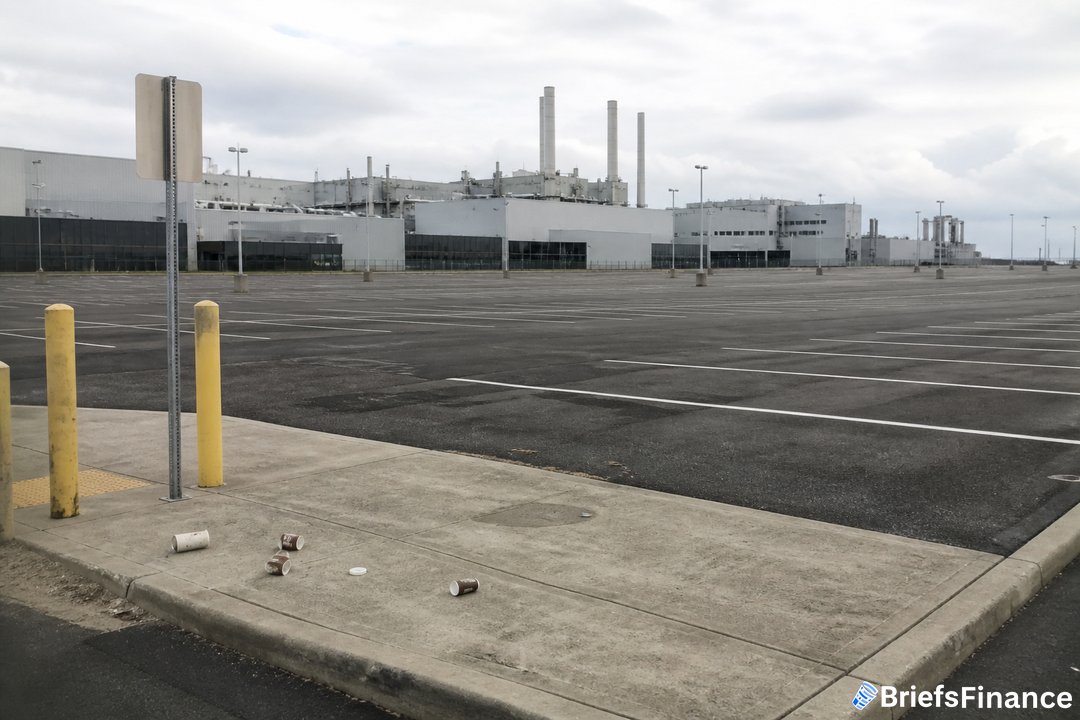
The vote by Boeing's professional staff sends a strong signal that the proposed terms are unacceptable.
On Friday, Aug 21 2026, the union representing Boeing's engineers and technical staff voted down a four-year contract proposal. The same vote gave union leaders the power to call a strike once the current contract expires in October.
The sticking point comes down to how raises are calculated. Boeing's offer tied pay increases to inflation, but with a 3% cap, and linked part of the raise to individual performance and other company-determined metrics.
Here is the problem: consumer prices in the Seattle area, where most of these workers live, rose 4.5% over the past year. If inflation runs higher than 3%, workers would effectively take a pay cut even with a raise.
Union members who voted no told Reuters, "The cap would almost certainly push their salaries behind the cost of living." That math is hard to argue with.
The union's own negotiating team backed the contract, but the rank-and-file members disagreed. Engineers and technicians negotiate together but hold separate votes, and neither group supported the deal.
What a Strike Would Mean for Boeing's Delayed Jets
The vote covers SPEEA, Boeing's largest union for salaried professional workers, representing 17,000 members. A strike would hit at a particularly bad moment for the company.
When pay raises lag the cost of living, the free Always Be Buying E-Book can help you build wealth on any income
Boeing's 737 Max 10 and 777-9 jets are already several years behind schedule. That means more waiting for airlines that have already been patient for a long time.
This is not Boeing's first labor headache. In 2024, a seven-week strike by about 33,000 machinists from the International Association of Machinists and Aerospace Workers halted the company's Seattle-area commercial airplane production entirely. That stoppage cost Boeing billions and deepened its production backlog.
The current dispute involves a different, but equally critical, workforce - the engineers and technical staff who design and certify the planes. Their absence would not only stall assembly lines but also slow the paperwork and testing required for regulatory approval, making further delays almost certain.
Boeing offered no immediate comment on the vote. But CEO Kelly Ortberg told Wall Street analysts in July that the company started talks early "to work towards an agreement that supports our employees and their families, creates greater clarity for our business and helps us stay focused on the progress we're making."
A SPEEA spokesperson said the bargaining team will now survey members on what terms would win their support for a four-year contract. That suggests there is room to find common ground, but the ball is in Boeing's court.
The bottom line: Boeing is trying to control costs while its workers are watching their buying power shrink. Those two goals are on a collision course.
What This Means for Your Portfolio
If you own Boeing stock, this is a story worth following closely. A strike would not just delay jets - it would add cost pressure to a company that has already spent years dealing with production problems and regulatory scrutiny.
The good news is that neither side has walked away yet. The union is collecting feedback, and there is still time before the October deadline to reach a deal that both sides can live with.
For investors, the lesson here is about watching how companies treat their people. Labor disputes rarely stay contained. They ripple through production schedules, delivery timelines, and eventually, the financial results. When a company's workers are unhappy enough to reject a contract, it is usually a sign that bigger friction is ahead.
If your paycheck is falling behind, grab the free Always Be Buying E-Book and invest consistently over time